Skip to content

10 Best Future Solar Technologies That Will Transform Energy Consumption

As the world grapples with the urgent need for sustainable energy solutions, the focus on solar power has never been more critical. The advancements in technology are opening doors to innovations that promise to revolutionize how we harness the sun’s energy. This article delves into the 10 best future solar technologies poised to transform energy consumption, showcasing the potential for solar energy to lead us toward a greener, more efficient future. From innovative photovoltaic materials to advanced storage systems, the landscape of solar energy is evolving rapidly, enabling us to rethink our reliance on fossil fuels.

In the quest for renewable energy, "future solar" technologies not only enhance energy efficiency but also address the challenges of energy storage and distribution. By integrating cutting-edge research and development, these technologies aim to make solar energy more accessible and effective for everyday use. Whether it’s through transparent solar panels or solar skin technology, the goal is to seamlessly integrate solar solutions into our environments while minimizing the ecological footprint.

As we explore these transformative technologies, it becomes evident that investing in future solar advancements is crucial for achieving energy sustainability and combating climate change. The innovations on the horizon are set to redefine our energy consumption patterns, paving the way for a sustainable future powered by the sun.

10 Best Future Solar Technologies That Will Transform Energy Consumption

Overview of Solar Energy Technologies and Their Importance
10 Best Future Solar Technologies That Will Transform Energy Consumption

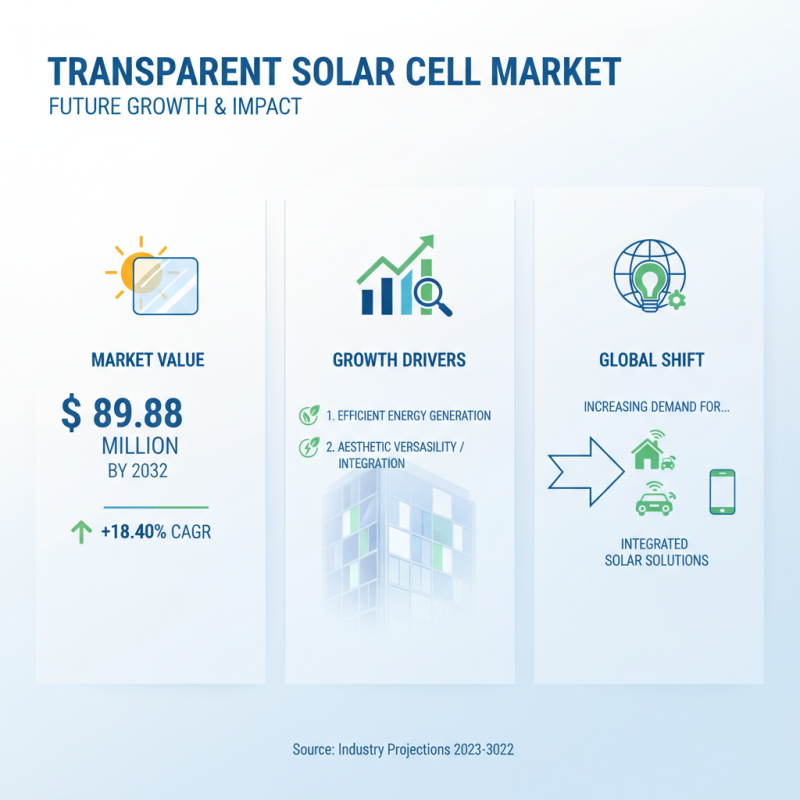
The significance of solar energy technologies is poised to witness transformation in the coming years, particularly with projections indicating that the global transparent solar cell market will reach a value of $89.88 million by 2032, with a compound annual growth rate (CAGR) of 18.40% during the forecast period. This growth reflects the increasing demand for efficient, integrated solar solutions that leverage the dual abilities of energy generation and aesthetic versatility.

Moreover, innovative projects such as the country's largest linear Fresnel concentrated solar power demonstration in Hami—featuring a capacity of 1 million kilowatts through combined solar thermal and photovoltaic technologies—exemplify the pioneering efforts driven by industry leaders. The advancement of thin-film solar cells is also noteworthy; the market is projected to grow from $2.244 million in 2024 to $13.385 million by 2032. Such positive trends underscore the importance of continued R&D investments in solar technologies, especially advancements in perovskite solar cells, which have shown remarkable potential for commercial applications and integration into sustainable architectures. This ongoing exploration promises a new era of energy consumption, harnessing solar energy in previously uncharted ways.
Emerging Photovoltaic Materials Beyond Traditional Silicon

Emerging photovoltaic materials are paving the way for a revolution in solar energy technology, moving beyond traditional silicon-based cells. These innovative materials, such as perovskite and organic photovoltaics, promise higher efficiency and lower production costs. Perovskite solar cells, in particular, are gaining attention for their ability to maintain performance even in low-light conditions, making them suitable for diverse environments. Incorporating these materials can significantly enhance energy capture and storage, redefining how solar power is utilized on both residential and industrial scales.

Tips: When considering solar energy solutions, be open to exploring systems that incorporate these advanced materials. Look for products that showcase their efficiency ratings and material composition, as these factors can greatly impact long-term energy savings.

Emerging technologies also include tandem solar cells, which layer different materials to capture a wider spectrum of sunlight. This can potentially lead to cells with over 30% efficiency, a substantial improvement over the current standards. As these technologies continue to evolve, they promise not only to improve energy production but also to contribute to sustainability goals by reducing the carbon footprint associated with conventional solar panel manufacturing.

Tips: Stay informed about the latest developments in solar technologies. Engaging with local solar energy communities can provide insights on the best products and practices, ultimately aiding in making a more sustainable energy choice.

Innovative Solar Energy Storage Solutions for Increased Efficiency

10 Best Future Solar Technologies That Will Transform Energy Consumption

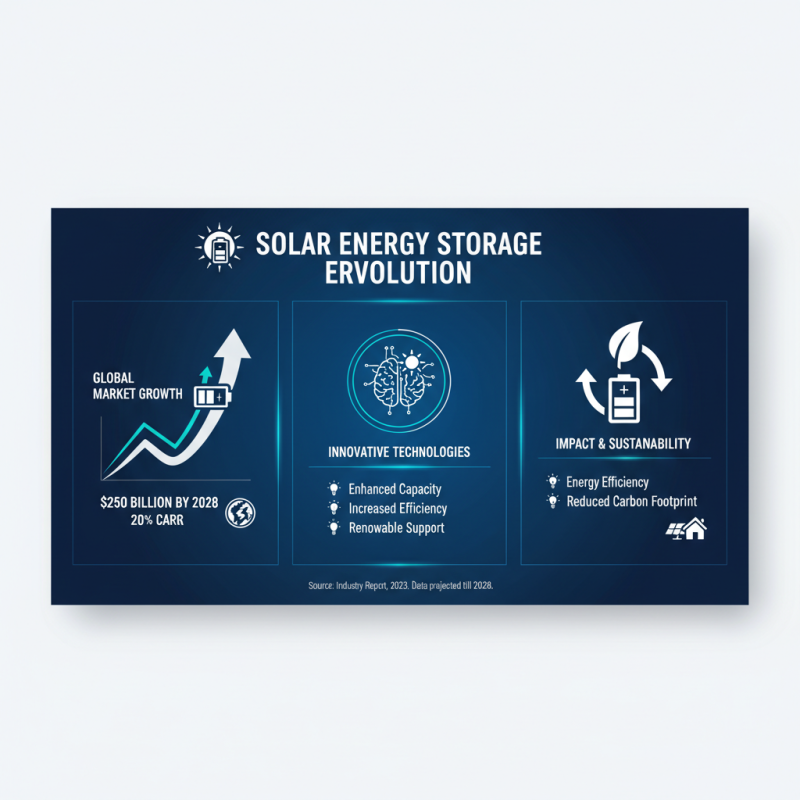
Innovative solar energy storage solutions are set to revolutionize energy consumption, enhancing efficiency and sustainability. The global solar battery market is experiencing rapid growth, driven by new technologies that increase energy storage capabilities. According to a recent report, the energy storage market is projected to exceed $250 billion by 2028, reflecting a compound annual growth rate (CAGR) of over 20%. These advancements not only improve energy efficiency but also support the integration of renewable energy sources into the grid.

Key innovations include next-generation lithium-sulfur batteries, which can significantly increase energy density, and ultra-fast charging technologies that allow for quicker storage and discharge cycles. Additionally, new systems that utilize artificial intelligence to optimize energy use are emerging, further streamlining energy consumption. As companies unveil these cutting-edge products at major expos, such as CES 2025 and REI Expo 2025, the potential for these technologies to facilitate a cleaner and more efficient energy landscape becomes increasingly apparent.

Advancements in Solar Tracking Systems for Enhanced Energy Capture

The advancement of solar tracking systems is revolutionizing how solar energy is captured and utilized, leading to significant improvements in energy efficiency. According to a report by the International Renewable Energy Agency (IRENA), solar tracking systems can increase energy capture by 20-50% compared to fixed solar panels. This means that the same amount of land can produce more energy, making solar installations more viable, especially in regions with abundant sunlight. Moreover, with the ongoing development of smart tracking technologies that incorporate AI and machine learning, the accuracy and efficiency of these systems have reached unprecedented levels.

One notable innovation in this area is the dual-axis solar tracking system, which allows panels to follow the sun's path both vertically and horizontally, maximizing exposure throughout the day. A recent study by Research and Markets projected that the global solar tracking market is expected to grow at a CAGR of 15.6% from 2021 to 2025. The increasing demand for energy-efficient solutions, coupled with supportive government policies, is driving the adoption of these advanced systems. As the technology continues to evolve, solar tracking is set to become a critical component in the transition towards sustainable energy systems, paving the way for a greener future.

10 Best Future Solar Technologies That Will Transform Energy Consumption

Technology Description Advantages Future Potential
Bifacial Solar Panels Solar panels that can capture sunlight on both sides. Increased energy yield and efficiency. High adoption in large-scale solar farms.
Perovskite Solar Cells A new generation of solar cells made from perovskite materials. Lower production costs and higher efficiency. Potential to surpass traditional silicon cells.
Building-Integrated Photovoltaics (BIPV) Solar panels integrated into building materials. Dual function as structural and energy-generating units. Rising demand for renewable energy in urban planning.
Solar Tracking Systems Technology that adjusts the angle of panels to follow the sun. Increased solar energy collection throughout the day. Widely adopted in large solar power plants.
Concentrated Solar Power (CSP) Utilizes mirrors or lenses to focus sunlight onto a small area. Can store energy for dispatch during peak demand. Potential for large-scale power generation.
Floating Solar Farms Solar panels installed on bodies of water. Reduces water evaporation and space competition. Increasing interest for locations with limited land.
Transparent Solar Panels Solar cells integrated into windows and glass surfaces. Does not obstruct views while generating power. Potential use in residential and commercial buildings.
Solar Roof Tiles Solar products designed to look like conventional roof tiles. Aesthetic appeal and energy generation. Growth anticipated in residential markets.
Artificial Intelligence in Solar Management Using AI for optimizing solar energy production. Enhanced efficiency and reduced operational costs. Integration into smart grid technologies.
Energy Storage Solutions Technologies for storing solar energy for later use. Ability to provide energy during non-sunlight hours. Critical for increasing grid reliability.

Integration of Solar Technologies with Smart Grids and IoT Solutions

The integration of solar technologies with smart grids and Internet of Things (IoT) solutions represents a transformative shift in energy consumption. By leveraging real-time data and advanced communication networks, these technologies optimize energy distribution and enhance efficiency. Smart grids enable a two-way flow of electricity, allowing consumers not only to utilize solar energy but also to contribute excess energy back to the grid, thus fostering a more sustainable energy ecosystem. IoT devices, equipped with sensor technology, help monitor energy usage patterns, enabling smarter consumption decisions and management.

Moreover, this synergy facilitates the development of decentralized energy systems that empower consumers. With IoT-enabled solar panels and battery storage solutions, households can manage their energy production and consumption effectively. This transformation not only reduces dependence on fossil fuels but also enhances grid resilience and reliability. As solar technologies evolve, their compatibility with smart grids will further allow for dynamic pricing models, demand response capabilities, and improved energy security, ultimately revolutionizing how we consume energy in the future.