Best Solar Energy Systems for Sustainable Power Solutions?
In today's world, the demand for sustainable power solutions is increasing. Solar energy systems have emerged as a crucial player in this transition. These systems not only harness energy from the sun but also reduce reliance on fossil fuels. They offer a pathway to lower carbon footprints and cleaner air.
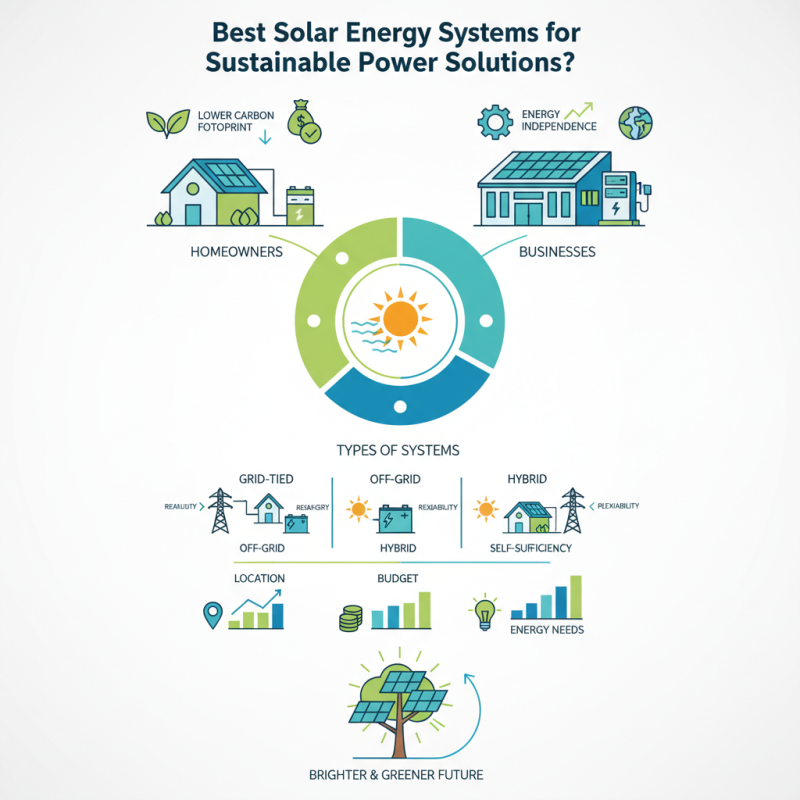
Many consumers are discovering that solar energy systems come in various types. Each option has specific benefits and challenges. Some systems work better for homeowners, while others suit businesses. Understanding these differences is essential. There can be confusion in selecting the right system, leading to regrets later.
Expert advice should guide your choices. Factors like location, budget, and energy needs play a vital role. Investing in solar energy systems can be a significant step toward sustainability. However, it is important to assess the long-term benefits and drawbacks before making a commitment. In the end, the right solar energy system can pave the way for a brighter and greener future.
Overview of Solar Energy Systems and Their Benefits
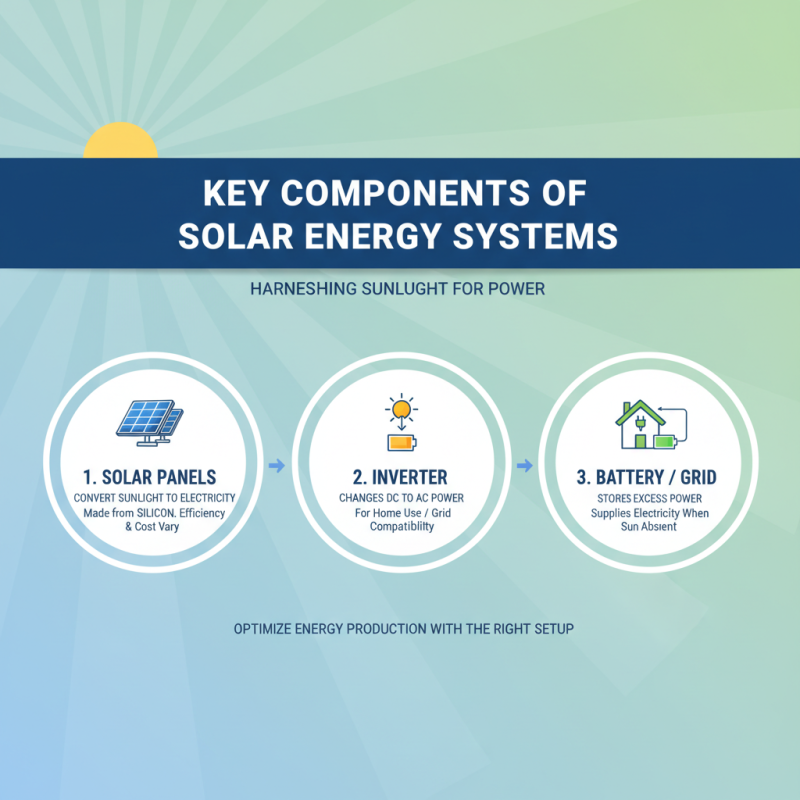
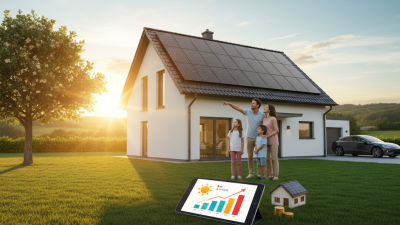
Solar energy systems have emerged as a reliable solution for sustainable power. These systems harness sunlight to generate electricity, offering numerous benefits. They reduce dependency on fossil fuels and lower greenhouse gas emissions. This transition directly contributes to fighting climate change. Additionally, solar panels require minimal maintenance once installed, making them a practical choice for households and businesses alike.
Tips for considering solar systems: Assess your energy needs before installation. Take into account your roof space and sunlight exposure. Research local incentives and financing options to make the system more affordable. Moreover, remember that the initial investment can seem daunting. However, long-term savings on energy bills often outweigh the upfront costs.
It’s essential to reflect on your energy consumption habits. Are you using electricity efficiently? Small changes, like using energy-efficient appliances, complement solar energy. This synergy can maximize your system’s impact. Integrating solar energy into your lifestyle requires commitment and a willingness to adapt. Embrace the advantages while acknowledging the need for continuous evaluation.
Best Solar Energy Systems for Sustainable Power Solutions
This chart illustrates the efficiency and cost savings of various solar energy systems implemented in residential settings over the past five years. The data shows a clear trend towards higher efficiency and lower costs, demonstrating the benefits of adopting solar energy systems for sustainable power solutions.
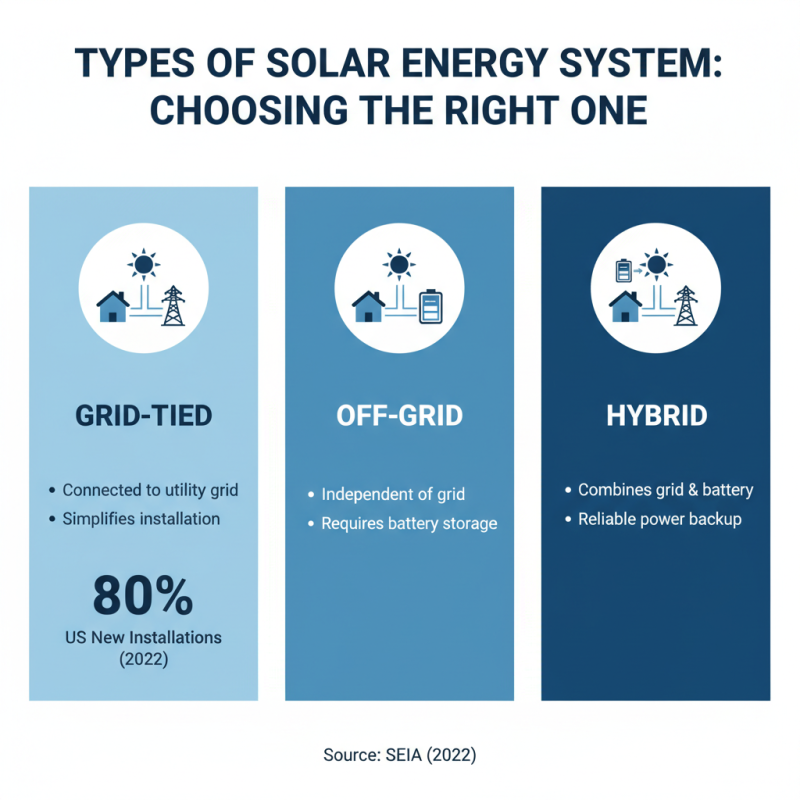
Types of Solar Energy Systems: Choosing the Right One
Choosing the right solar energy system is crucial for effective and sustainable power solutions. Three primary types of solar energy systems exist: grid-tied, off-grid, and hybrid systems. Grid-tied systems connect directly to the utility grid, which simplifies installation. According to the Solar Energy Industries Association (SEIA), these systems accounted for over 80% of new solar installations in the U.S. in 2022.
Off-grid systems provide independence from the utility grid, ideal for remote areas. However, they often require energy storage solutions, like batteries, which can increase upfront costs. A National Renewable Energy Laboratory report notes that while off-grid systems can be cost-effective, their maintenance can be more complex due to the reliance on solar batteries.
Hybrid systems combine the benefits of on-grid and off-grid solutions. They allow for energy storage while maintaining a connection to the grid. Notably, hybrid systems are growing in popularity, reflecting a trend towards energy resilience and sustainability.
**Tips:** When selecting a system, evaluate your energy needs carefully. Consider location, budget, and potential future energy requirements. Also, have realistic expectations about the return on investment and energy savings. Tracking performance is vital; be aware of aspects that may require adjustments as conditions change.
Factors to Consider When Selecting Solar Solutions
When choosing solar energy systems, several key factors must be considered. Efficiency is one of the top priorities. Look for systems that can convert as much sunlight into electricity as possible. Solar panels typically range from 15% to 22% efficiency. Higher efficiency means more power generation in limited space.
Another crucial factor is the type of solar panel. There are three main types: monocrystalline, polycrystalline, and thin-film. Each has its own benefits and drawbacks. Monocrystalline panels often have the highest efficiency but come at a premium. Thin-film is lightweight and flexible but less efficient.
Tip: Assess your roof's space and orientation. A south-facing roof is ideal for maximum sunlight exposure.
In addition, consider the inverter type. The inverter converts direct current (DC) into alternating current (AC) for home use. Microinverters offer greater flexibility and efficiency, especially for shaded areas.
Tip: Research installation options. DIY installation can save money but may lead to mistakes. A professional installation can ensure safety and optimal performance.
Finally, don’t overlook warranties. A solid warranty can indicate the manufacturer’s confidence in their product. Most reputable systems offer at least a 25-year warranty on panels. This protection can save you from costly repairs down the line.
Future Trends in Solar Technology and Sustainable Power
The solar energy sector is rapidly evolving. Reports indicate a projected growth rate of 20% annually in solar installations over the next five years. This surge reflects advancements in photovoltaic technology and energy storage solutions. The latest data shows that solar panels now convert up to 23% of sunlight into electricity, improving efficiency significantly.
Emerging trends are reshaping the landscape. Innovations in bifacial solar panels enable energy capture from both sides. Additional advancements include solar roofing and transparent solar cells capable of generating power while maintaining aesthetics. The International Energy Agency highlights that solar power will become the largest source of electricity generation by 2030.
However, challenges persist. The integration of solar technologies into existing infrastructure is complex. Energy storage solutions, essential for reliability, remain high-cost. Furthermore, the life cycle of solar panels raises questions regarding environmental impact. Continuous improvement is key to maximizing solar's potential while addressing these concerns.
Best Solar Energy Systems for Sustainable Power Solutions - Future Trends in Solar Technology and Sustainable Power
| Technology Type |
Efficiency (%) |
Average Cost ($/W) |
Lifespan (Years) |
Trends |
| Monocrystalline |
15-22 |
0.75 |
25 |
High efficiency, demand growth |
| Polycrystalline |
13-16 |
0.65 |
25 |
Cost-effective, lower efficiency |
| Thin-Film |
10-13 |
0.50 |
10-15 |
Flexibility, less space needed |
| Bifacial |
16-22 |
0.80 |
30 |
Higher energy yield, dual-side absorption |
| Building-Integrated Photovoltaics (BIPV) |
10-15 |
1.20 |
20 |
Aesthetic integration, architectural appeal |