10 Best Tips for Using Solar System Electricity in Your Home
As the world increasingly shifts towards sustainable energy solutions, the significance of efficiently utilizing solar system electricity in our homes cannot be understated. According to Dr. Emily Carter, a leading expert in renewable energy systems, "Harnessing the power of solar system electricity not only reduces our carbon footprint but also provides a pathway to energy independence." With the sun as a free and abundant energy source, mastering the art of using solar energy effectively can lead to significant cost savings and environmental benefits.
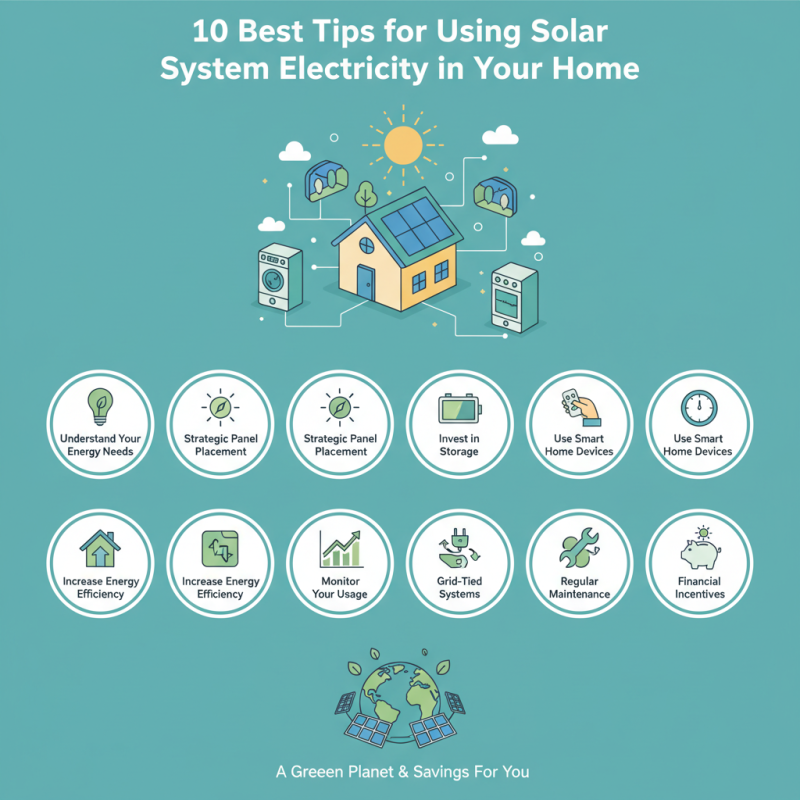
In this guide, we will explore the ten best tips for optimizing solar system electricity usage within your home. From understanding your energy needs to strategically placing solar panels, these insights will empower homeowners to maximize the potential of their solar installations. By employing these strategies, you can ensure that your home capitalizes on the benefits of solar energy, contributing to both your financial well-being and a greener planet. As more households make the switch, the collective impact of smart solar energy use will resonate across communities, promoting a sustainable future for generations to come.
Understanding Solar Power Basics for Home Use
Understanding the basics of solar power is crucial for homeowners looking to harness this renewable energy source.
Solar panels convert sunlight into electricity through photovoltaic cells, which generate direct current (DC) power. An inverter then converts DC into the alternating current (AC) needed to power household appliances. According to the U.S. Department of Energy, residential solar installations have increased by over 20% annually, reflecting a growing interest in clean energy solutions. Additionally, a report by the International Energy Agency (IEA) predicts that solar energy could supply up to 30% of global electricity demand by 2030, highlighting the importance of understanding how to effectively integrate this technology into homes.
Proper utilization of solar energy involves a few crucial steps. First, homeowners should calculate their energy needs to determine the size and number of solar panels required. The National Renewable Energy Laboratory (NREL) suggests that an average home in the U.S. can save between $10,000 and $30,000 over 20 years with solar energy, depending on the local electricity rates and incentives available. Moreover, understanding the concept of net metering can be beneficial; this allows homeowners to sell excess power back to the grid, effectively reducing their energy bills. By grasping these fundamental aspects of solar power, homeowners can make informed decisions that not only lower their carbon footprint but also lead to significant long-term financial savings.
Evaluating Your Home's Energy Needs Before Installation
Before installing a solar energy system, it's crucial to evaluate your home's energy needs to ensure optimal performance and cost-effectiveness. Begin by reviewing your recent utility bills to understand your average energy consumption. This analysis will help you identify peak usage times and any seasonal variations in electricity use. Knowing how much energy you consume daily allows you to choose a solar system designed to meet those specific demands.
Additionally, consider factors such as the size of your home, the number of occupants, and the efficiency of your existing appliances. Larger homes or households with more inhabitants may require a more extensive solar panel setup. It's also important to assess your roof's orientation and shading, as these elements can significantly impact solar energy production. By taking these factors into account, you can tailor your solar installation to align with your lifestyle and energy requirements, ultimately leading to greater savings and reduced reliance on traditional energy sources.
Energy Consumption in a Typical Household
Optimizing Solar Panel Placement for Maximum Efficiency
When optimizing solar panel placement for maximum efficiency, it's essential to consider several key factors. First, the orientation of the panels plays a crucial role in their energy output. Installing solar panels facing true south (in the Northern Hemisphere) enables them to capture the most sunlight throughout the day. If your location is in the Southern Hemisphere, the best angle is true north. Additionally, the tilt of the panels can impact the amount of sunlight they receive; a tilt that matches your latitude is often recommended.
Another critical factor is the shading from trees, buildings, or other structures. Even partial shading can significantly reduce the efficiency of solar panels. Therefore, it's vital to assess your property during different times of the day to identify potential obstructions. Furthermore, ensuring that solar panels are clean can improve energy production, as dirt and debris can block sunlight. Regular maintenance checks are essential to uphold their efficiency over time, allowing you to maximize the investment in your solar energy system.
Integrating Solar with Traditional Energy Sources Effectively
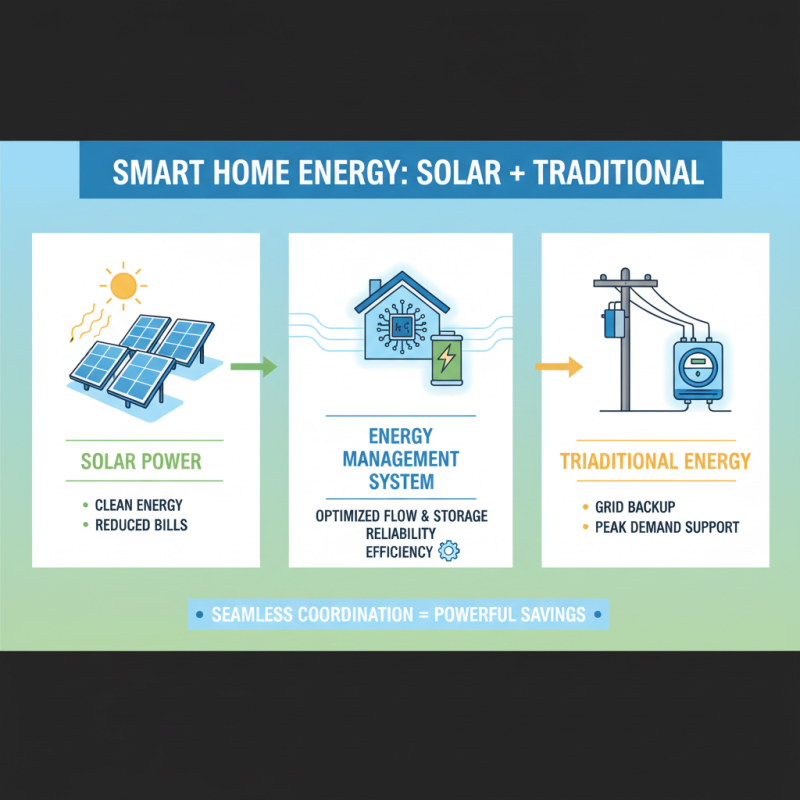
Integrating solar energy with traditional energy sources can significantly enhance the efficiency and reliability of your home’s power system. Utilizing solar panels allows homeowners to harness clean energy, reducing reliance on fossil fuels and lowering utility costs. However, to maximize the benefits of using solar power, it's essential to create a well-balanced energy management system that coordinates both solar and traditional electricity sources effectively.
One practical approach to integration is by implementing a hybrid system that combines solar panels with grid electricity. This setup allows homeowners to rely on solar energy during peak sunlight hours while drawing power from the grid when solar production is insufficient, such as during cloudy days or nighttime. By employing smart energy management systems, individuals can optimize energy consumption, store excess solar power in battery systems, and even sell surplus energy back to the grid, thereby contributing to the overall efficiency and sustainability of the home.
Additionally, understanding energy load management is crucial. By identifying which appliances consume the most energy, homeowners can prioritize the use of solar power for these high-demand tasks during daylight hours. This not only maximizes the utilization of solar energy but also helps in maintaining the stability and reliability of the entire energy system. With careful planning and adjustment, integrating solar with traditional energy sources can lead to a more resilient and eco-friendly home energy solution.
Maintaining Your Solar System for Long-Term Performance
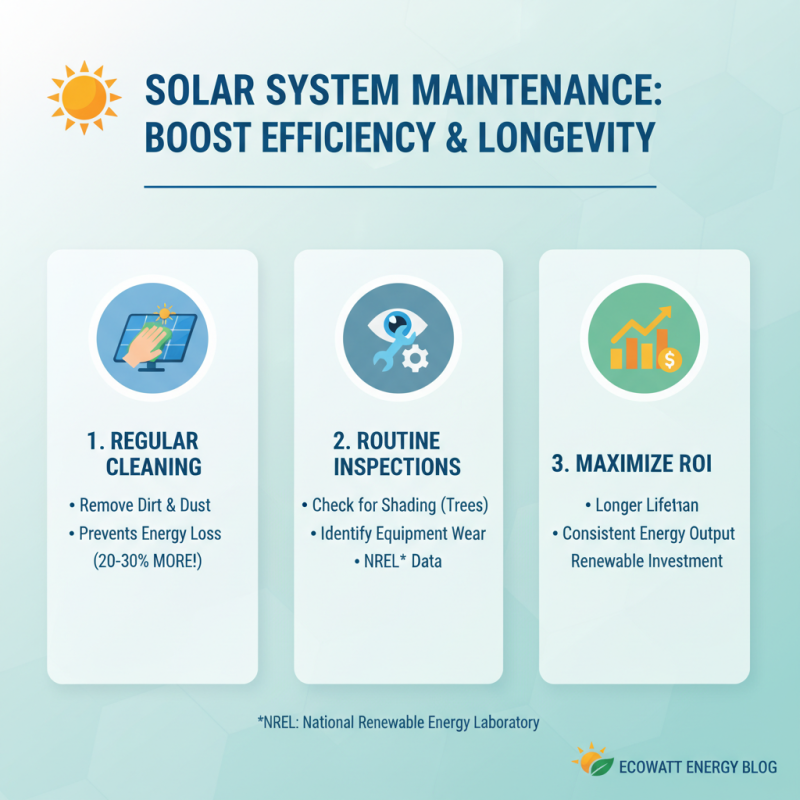
Maintaining your solar system is crucial for ensuring its long-term performance and efficiency. Regular maintenance not only prolongs the lifespan of solar panels but also contributes to optimal energy output. According to the National Renewable Energy Laboratory (NREL), a well-maintained solar panel system can produce 20-30% more energy over its lifetime compared to one that's neglected. Routine inspections can identify and mitigate issues such as dirt accumulation, shading from overgrown trees, and equipment wear, allowing homeowners to maximize their return on investment in renewable energy.
Performing periodic cleaning of solar panels can significantly enhance their efficiency. A study by the Solar Energy Industries Association (SEIA) indicates that dirt and debris can reduce energy production by approximately 15%. Additionally, checking the inverter and electrical connections at least once a year can prevent potential failures and ensure that the system operates at peak performance. Homeowners should also monitor their energy output regularly to detect any significant drops in production, which could signal the need for professional servicing. By committing to a proactive maintenance schedule, homeowners can reap the benefits of solar energy while safeguarding their investment against unforeseen degradation.