How to Buy Solar Energy Products for Your Business?
In today's business landscape, solar energy is transforming operations. Many companies are turning toward renewable resources. However, purchasing solar energy products can be complex. Understanding your options is crucial.
The variety of solar products includes panels, inverters, and batteries. Each serves a unique purpose in energy efficiency. Choosing the right products is essential for maximizing benefits. Missteps can lead to wasted resources and funds. Researching suppliers and product specifications is vital.
Solar energy systems may require initial investment. Business owners should assess long-term savings versus upfront costs. Many may struggle with understanding incentives or rebates available. It’s important to consult experts to navigate these options. By taking a thoughtful approach, businesses can capitalize on solar energy effectively.
Understanding Solar Energy Products and Their Benefits
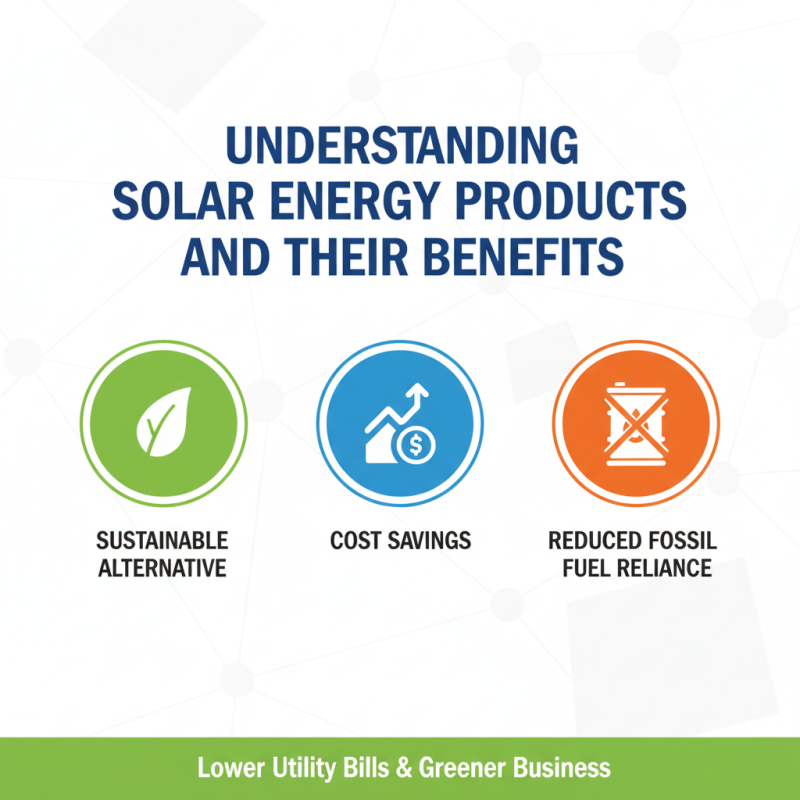
Solar energy products offer numerous benefits for businesses. They provide a sustainable alternative to traditional energy sources. Many companies report significant cost savings after switching to solar. This transition not only lowers utility bills, but also reduces reliance on fossil fuels.
Understanding the types of solar products available is crucial. Solar panels are the most common choice. They convert sunlight into electricity. Solar water heaters are another option, ideal for businesses needing hot water. Solar batteries store energy for use during cloudy days or at night. Each product can be tailored to meet specific business needs.
While the advantages are clear, businesses must also consider potential challenges. Installation can be expensive and complex. Maintenance is required to ensure efficiency. Choosing the right solar products involves research. Consulting with professionals can provide valuable insights. It's essential to weigh the pros and cons carefully before making a decision.
Evaluating Your Business's Energy Needs and Budget
When evaluating your business's energy needs and budget for solar energy products, start by assessing current consumption. According to the U.S. Department of Energy, businesses can save around 75% on electricity costs by integrating solar solutions. Understand peak energy usage times. Knowing this can prevent overinvestment in solar technology and help you align your budget effectively.
Next, consider the return on investment (ROI). Research indicates that companies typically see a payback period of 5 to 7 years for solar installations. However, this can vary based on location, available incentives, and installation costs. It's crucial to acquire accurate data about your area’s solar potential. Failing to do so might result in underestimating your energy savings.
Evaluate financial options such as loans, leases, or power purchase agreements (PPAs). Each option has unique implications for cash flow and ownership. A survey by The Solar Foundation shows that over 80% of businesses report increased profitability after switching to solar energy. Reflect on what this could mean for your company's financial health. Balancing upfront costs with long-term benefits is key to making an informed decision.
Energy Needs and Budget Evaluation for Solar Energy Products
Researching Solar Energy Providers and Their Offerings
When researching solar energy providers, it’s essential to evaluate their offerings thoroughly. Start by examining their product range. Look for companies that provide a variety of solar panels, inverters, and battery systems. This diversity allows for customized solutions to fit specific business needs. Also, consider the technology used. High-efficiency solar panels may offer better returns on investment over time.
Another critical factor is the company’s track record. Seek out reviews and testimonials from other businesses. These can provide insights into reliability and service quality. It’s also wise to check how long a provider has been in the industry. More established companies often have more proven systems and customer support. However, newer companies may offer innovative solutions, so don’t dismiss them outright.
Price comparison is important, but it shouldn’t be the sole focus. Understanding installation costs, maintenance needs, and warranty terms can help you make a more informed decision. Look for transparent pricing. Some companies may have hidden fees that could surprise you later. Keep in mind that the cheapest option may not always provide the best value. A higher initial investment could lead to greater savings down the line.
Comparing Solar Energy Products and Installation Options
When considering solar energy products for your business, it's essential to compare various options and installation methods available in the market. According to the Solar Energy Industries Association (SEIA), solar energy has grown significantly, with installations increasing by 33% year-over-year. This growth underscores the need to evaluate your choices carefully.
One option is rooftop solar panels, which can be tailored to your building’s roof size and orientation. These panels can generate up to 70% of your business's energy needs. Alternatively, ground-mounted systems might be a better fit if you have ample space. These systems often have a higher capacity and can be easier to maintain. When assessing installation, it's crucial to consider costs and efficiency reports to identify the most suitable technology.
**Tip:** Always request multiple quotes from solar installers, as pricing can vary widely. Reviewing client testimonials and case studies can provide insights into the installer’s reliability.
In a rapidly evolving industry, keeping up with new technology can be challenging. Innovations in solar storage systems allow businesses to store energy for use during peak hours, improving overall efficiency. Data from the National Renewable Energy Laboratory indicates that energy storage can increase the effectiveness of solar investments by as much as 30%. Make sure your chosen solution aligns with your long-term energy goals.
How to Buy Solar Energy Products for Your Business? - Comparing Solar Energy Products and Installation Options
| Product Type |
Average Cost (USD) |
Energy Output (kW) |
Installation Time (Days) |
Warranty Period (Years) |
| Solar Panels |
$10,000 |
5 kW |
5 |
25 |
| Inverters |
$1,200 |
5 kW |
1 |
10 |
| Battery Storage |
$7,000 |
10 kW |
3 |
15 |
| Installation Services |
$2,500 |
N/A |
3 |
N/A |