China Best Solar Energy Systems for Global Buyers
Choosing China’s best solar energy systems requires more than comparing panel prices. Global buyers must assess performance, safety, certification, and long-term service. A low-cost package may look attractive beside a warehouse roof, yet weak documentation can create expensive problems later.
Fatih Birol, Executive Director of the International Energy Agency, has stated, “Solar PV is now the cheapest source of electricity in history.” His observation explains the market’s momentum, but price alone cannot define quality. Reliable buyers should examine module efficiency, temperature coefficients, inverter compatibility, battery chemistry, warranty terms, and product traceability. Installation conditions matter too. A coastal project faces salt mist, while a desert site confronts dust, heat, and limited water. These details can change the right system completely.
This guide evaluates Chinese solar energy systems through a practical global lens. It considers factory experience, independent testing, grid requirements, monitoring software, spare parts, and after-sales support. Certifications should be verified through official records, not copied brochure images. Supplier audits and sample testing add confidence. Still, no shortlist is perfect. Product data may reflect controlled conditions, and real roofs rarely behave that neatly. A system that performs well in one country may need redesign elsewhere. That limitation deserves attention. The strongest purchasing decision balances efficiency with reliability, local compliance, installer capability, and realistic lifecycle costs. Evidence matters more than impressive claims. Results matter more than promises.
China’s Solar Energy System Industry and Its Global Market Role
China Best Solar Energy Systems for Global Buyers
China’s Solar Energy System Industry and Its Global Market Role
China’s solar energy industry has become a major supplier for residential, commercial, and utility projects worldwide. Its strength comes from dense manufacturing networks, trained engineers, and large production capacity. A typical export package may include modules, inverters, mounting structures, cables, monitoring equipment, and installation guidance. This integration can reduce procurement delays and simplify technical coordination.
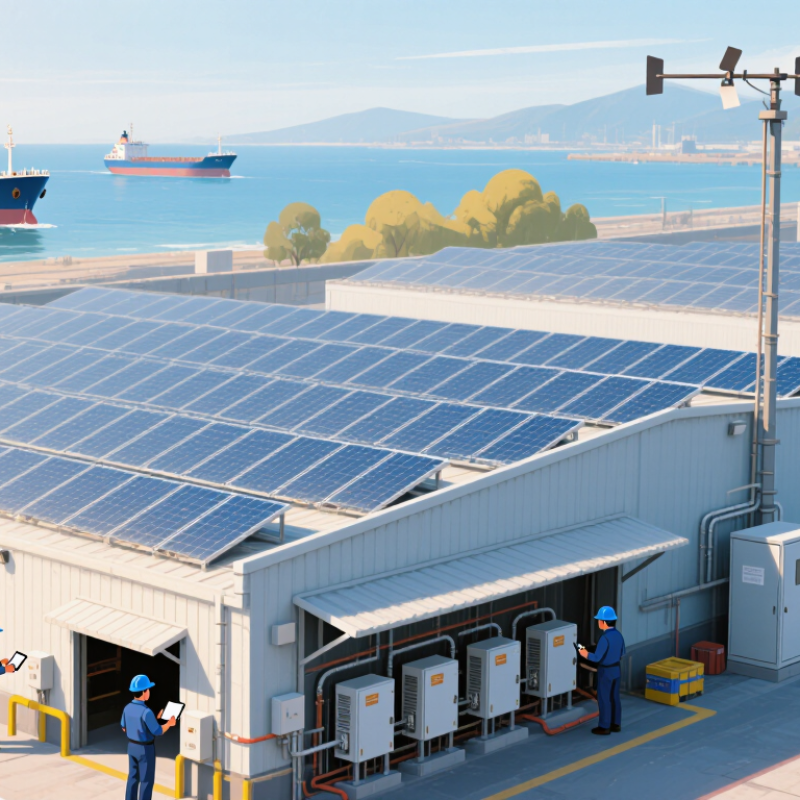
Global buyers should examine more than panel efficiency. They need verified test reports, product traceability, warranty terms, and compatibility with local grid requirements. Factory audits can reveal practical details, such as humidity controls, connector storage, and final inspection procedures. In coastal regions, corrosion resistance matters. In remote projects, spare parts and remote diagnostics can matter even more. Experienced buyers also compare annual energy yield, not only the lowest purchase price.
China’s market role is influential, but it is not flawless. Rapid capacity growth can create uneven quality among suppliers. Specifications may look similar while materials and testing standards differ. That gap deserves attention. Buyers should request independent inspections and clear acceptance criteria before shipment. Local installers should also review fire safety, recycling obligations, import rules, and electrical certification. Field experience shows that a well-documented system often performs better than a cheaper system with unclear support. Some projects still underestimate training. That mistake can become expensive.
China’s Solar Energy System Industry and Global Market Role
China has been the largest contributor to global solar photovoltaic capacity growth in recent years.
The chart compares annual solar PV capacity additions worldwide with additions in China from 2019 to 2023.
Data source: International Renewable Energy Agency (IRENA), Renewable Capacity Statistics 2024.
Values represent newly added solar photovoltaic capacity in gigawatts (GW).
Types of Solar Energy Systems Made in China
China Best Solar Energy Systems for Global Buyers
China produces several solar energy systems for different electricity needs. Grid-tied systems connect photovoltaic panels to public power networks. They suit factories, offices, and homes with stable grid access. These systems usually include panels, inverters, mounting structures, monitoring devices, and protection equipment. Off-grid systems work independently. They combine panels, batteries, charge controllers, and backup generators when necessary. They are useful for remote cabins, farms, clinics, and telecommunications sites.
Hybrid systems combine grid power, solar generation, and battery storage. During the day, solar energy can run appliances and charge batteries. At night, stored electricity supports essential loads. Portable solar systems offer smaller solutions for outdoor work, emergency lighting, and temporary facilities. Solar water-pumping systems are another practical type. They can move water for irrigation without relying on a permanent grid connection. However, system sizing requires more than checking panel wattage. Local sunlight, roof direction, battery temperature, cable length, and daily consumption all matter. My first estimate would not be enough.
Tips: Request detailed performance data, safety certifications, warranty conditions, and installation manuals. Check whether the inverter matches local voltage and frequency standards. Inspect sample components before placing large orders. Ask for factory test records, but verify them independently when possible. A low price may hide weaker connectors, limited support, or difficult replacement parts. Also, do not oversize the battery without studying seasonal demand. That mistake increases cost and may reduce practical value.
Key Quality Standards for International Solar Buyers
China Best Solar Energy Systems for Global Buyers
International solar buyers should evaluate documented quality, not polished product images. For modules, IEC 61215 addresses design qualification and performance testing, while IEC 61730 covers electrical safety. Ask for reports from an accredited laboratory, not a cropped certificate. Check the module’s power tolerance, temperature coefficient, degradation rate, and resistance to humidity, hail, and mechanical loading. Coastal projects may also need salt-mist testing under IEC 61701. Hot climates expose weak designs quickly.
Inverters require separate attention. Review IEC 62109 safety compliance, enclosure ratings, thermal limits, and grid-code compatibility for the destination country. Installation records should follow IEC 62446-1, including insulation tests, polarity checks, and commissioning results. Request serial-number traceability from cells to finished modules. This makes defects easier to isolate. Warranty language deserves careful reading. Confirm who handles claims, which evidence is required, and whether transport costs are included.
Certificates can mislead.
A familiar standard does not guarantee consistent production. Factory audits, random pre-shipment inspections, and independent electroluminescence testing add practical evidence. Buyers should compare samples with mass-production units, because early samples may receive unusual attention. I have learned that the cheapest quotation often hides testing, documentation, or service gaps. Still, even strict procurement can miss problems. Dust, poor connectors, and rushed installation can reduce output more than a small efficiency difference. Clear acceptance criteria and local technical support remain essential for reliable international projects.
Importing, Installing, and Maintaining Chinese Solar Systems
Importing Chinese solar systems requires more than comparing wattage and price.
In my procurement experience, unclear specifications create expensive delays. Ask for complete datasheets, test reports, packing lists, and serial-number records. Confirm voltage ranges, connector types, battery chemistry, and warranty procedures before payment. An independent pre-shipment inspection can reveal cracked glass, loose terminals, or poor packaging. Check your country’s grid rules, import duties, electrical certificates, and recycling obligations. A low quote is not proof of value.
Installation should follow local electrical codes and the supplier’s technical manual.
Use a qualified installer who can verify roof loading, cable routes, grounding, surge protection, and ventilation. The inverter needs correct grid settings, not factory defaults. Record torque readings and take clear photos before closing cable trays. Commissioning should include insulation tests, polarity checks, monitoring setup, and an emergency shutdown test. Small omissions matter. I once underestimated roof shading, and the predicted output became unrealistic.
Tips:
Keep spare fuses, connectors, and communication cables locally. Clean panels with soft water and a non-abrasive tool when needed. Inspect mounting hardware after severe weather. Review system alerts monthly, while comparing production with seasonal expectations. Batteries need controlled temperature and safe clearance. Maintenance records should include dates, readings, faults, and corrective actions. Do not ignore unusual heat or smell; isolate the system and call a licensed technician. Some advice sounds obvious, yet it is often missed.