How to Choose the Best EV Wheel Motors for Your Vehicle
Choosing the best Ev Wheel Motors for your vehicle is crucial for maximizing performance and efficiency. According to Dr. Emma Hart, a leading expert in electric vehicle technology, "The right wheel motors can significantly enhance energy management and driving experience." EV wheel motors are not just components; they represent a profound shift in automotive technology.
When considering your options, pay attention to power output and torque. These factors determine how well your vehicle will accelerate and handle different terrains. Also, consider the weight of the motors. Heavier options may affect the vehicle’s overall efficiency. Some manufacturers promote lightweight designs that improve performance, but make sure they don't compromise durability.
As you navigate the market, keep in mind the balance between cost and quality. While it’s tempting to go for lower-priced models, the long-term benefits of investing in reliable EV wheel motors can outweigh initial savings. Remember that even the best products may have limitations. Continuous evaluation and feedback can help you make informed choices as technology evolves.
Understanding the Basics of EV Wheel Motors and Their Functionality
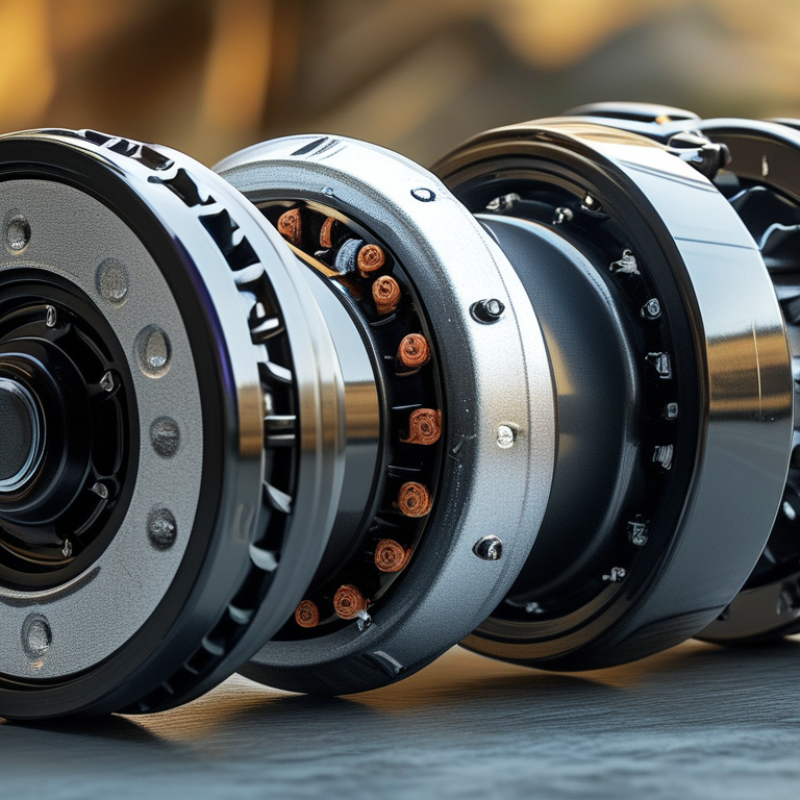
Electric vehicle (EV) wheel motors represent a critical component in the evolution of sustainable transportation. They directly power the wheels, transforming electricity into motion. Unlike traditional vehicles, which rely on a centralized drive system, wheel motors streamline the propulsion process, enhancing efficiency. According to a report by the International Energy Agency, the adoption of wheel motor technology can increase overall vehicle efficiency by up to 30%.
Understanding the mechanics of wheel motors is essential for making informed decisions. These motors can be hub-mounted or integrated within the wheel assembly. Hub-mounted motors often provide more immediate torque, making acceleration smoother. On the other hand, in-wheel motors can reduce weight and improve handling dynamics. Industry experts suggest examining the torque output and efficiency ratings when selecting motors to match your vehicle’s specifications.
Tip: Always prioritize the energy consumption of the motor. A motor that operates efficiently will significantly extend your EV's range.
Equally important is considering environmental impact. Wheel motors can use rare materials that raise ethical questions. Manufacturers need to prioritize sustainable sourcing to mitigate potential backlash. Keeping track of advancements in technology is crucial. New innovations could lead to more reliable and eco-friendly options without compromising performance.
Tip: Look for motors with clear sustainability certifications. This can indicate responsible sourcing and manufacturing practices.
Key Factors to Consider When Selecting EV Wheel Motors for Your Vehicle
Choosing the right wheel motors for your electric vehicle (EV) involves careful consideration of several key factors. One critical aspect is power density. Higher power density means lighter motors, enhancing efficiency. A study by the Electric Power Research Institute indicates that improved power density can enhance range by up to 25%.
Another important factor is thermal management. Effective cooling systems ensure that motors operate optimally across various temperatures. Overheating can lead to significant efficiency losses or even component failures, impacting vehicle performance. According to industry standards, maintaining an operational temperature below 85°C is essential for maximizing motor longevity.
Tip: Always review the motor's torque characteristics. A motor with better torque delivery offers improved acceleration and overall drivability. This is particularly important for applications requiring high performance.
Battery compatibility also plays a vital role in selection. Ensuring that the motor aligns with the battery specifications will improve system efficiency. Mismatched components can lead to energy losses, affecting the range and reliability of your EV.
Tip: Conduct regular checks on compatibility updates, as technology evolves rapidly in the EV sector. This diligence ensures that your vehicle remains at the forefront of performance and efficiency advancements.
Comparative Analysis of Different Types of EV Wheel Motors on the Market
When selecting wheel motors for electric vehicles (EVs), it's essential to understand the various types available. Each motor type offers distinct benefits and drawbacks that can vastly impact your vehicle's performance. For instance, in-wheel motors provide excellent torque and acceleration but may face durability concerns. According to a recent report from Navigant Research, in-wheel motors could enhance efficiency by up to 30%, highlighting their potential. However, manufacturers must address issues related to weight and heat dissipation to optimize performance.
On the other hand, hub motors deliver a more traditional approach. They utilize existing wheel configurations, making them easier to integrate. Reports indicate that hub motors can offer a better balance between weight and power output. However, they can sometimes limit regenerative braking capacity. A study by the International Council on Clean Transportation notes that while hub motors are simpler, their performance often declines in challenging terrains. This trade-off requires careful consideration when making a decision.
Additionally, characteristics such as power density and torque curve are crucial. High power density allows for compact designs, which is vital for urban EVs. The torque curve influences acceleration and driving experience. Not all motors perform the same under varying loads, which can lead to reflections on your vehicle's adaptability to different driving conditions. As the EV market evolves, staying informed about these factors can guide you to make educated decisions.
Comparative Analysis of EV Wheel Motors
Evaluating Performance Metrics: Torque, Efficiency, and Power Output in EV Motors
When choosing wheel motors for electric vehicles (EVs), understanding performance metrics is crucial. Torque is a key factor. It determines how quickly the motor can accelerate the vehicle. Higher torque means better acceleration and responsiveness. In urban driving, this is particularly important. Drivers want a car that can zip through traffic with ease. However, balancing torque with energy consumption is essential.
Efficiency is another critical metric. It measures how well the motor converts electrical energy into motion. An efficient motor will extend the vehicle's range on a single charge. This becomes essential for long-distance travel. But efficiency can vary with driving conditions, weather, and load. A heavier load may reduce efficiency. This aspect requires careful consideration during selection.
Power output is also vital. It influences the vehicle's performance over time. A motor with high power output may deliver thrilling performance but could drain the battery quickly. Striking a balance between power and sustainability is necessary. Understanding these metrics can significantly impact overall vehicle performance. Evaluate your needs carefully. Are performance and sustainability compatible in your choice?
Cost vs. Benefit: Financial Implications of Choosing Quality EV Wheel Motors
When considering electric vehicle (EV) wheel motors, financial implications play a key role. Quality motors may cost more upfront, but they often offer better performance and reliability. Investing in a durable motor can mean fewer repairs and longer lifespan. This translates to significant savings in the long run.
Think about the installation costs as well. A high-quality motor might require professional assistance, which adds to the initial investment. However, cheaper options may need frequent replacements or repairs, nullifying any short-term savings. It's essential to weigh these factors carefully before making a decision.
It's also worth pondering the environmental impact of your choices. Opting for quality motors can enhance energy efficiency. This may lead to reduced emissions and a more sustainable footprint. While the financial aspect is critical, consider how these motors contribute to a greener future. Evaluating both cost and benefit ensures you make a well-rounded decision.