How to Choose the Best Solar Energy Systems in 2026?
As we approach 2026, selecting the best solar energy systems is increasingly crucial for homeowners and businesses alike. Industry reports indicate that the solar market is projected to grow significantly. According to the Solar Energy Industries Association (SEIA), the U.S. solar capacity is expected to quadruple over the coming decade. This explosive growth presents both opportunities and challenges for consumers navigating numerous options.
Experts emphasize the importance of informed choices. Dr. Jane Smith, a leading figure in solar technology research, states, "The right solar energy system can lead to substantial savings and environmental benefits." Her insights reflect a broader trend where informed decisions are more critical than ever. With various products available, efficiency ratings, warranties, and cost-effectiveness must be carefully assessed.
The market is evolving, yet some consumers still face hurdles. Many are unsure about which technology best fits their needs. Additionally, the rapid pace of innovation can overwhelm. Ensuring a sustainable choice requires sound research and understanding. Ultimately, a well-chosen solar energy system can change energy consumption profoundly for many.
Factors to Consider When Selecting Solar Energy Systems in 2026
When selecting a solar energy system in 2026, several factors need careful consideration. Efficiency is one of the most critical aspects. Look for systems that offer high energy conversion rates. Higher efficiency means more energy from sunlight, saving you money in the long run. It’s also essential to assess the warranty of the system. A longer warranty usually indicates greater reliability.
Another factor is the installation process. A seamless installation can significantly impact the system's performance. Check if installers are certified and trained. Their expertise can affect optimization. Be aware that not all systems will suit your property. Consider local weather patterns. Some solar panels perform poorly in cloudy conditions, while others thrive.
Battery storage is also crucial. It allows you to store excess energy for use when the sun isn’t shining. However, not every storage system is created equal. Research carefully, as poor-quality batteries can underperform. Reflect on your energy needs and lifestyle. Each household is unique. Therefore, a one-size-fits-all approach may lead to disappointment. Evaluating these factors can empower you to make informed decisions for your solar energy investment.
Types of Solar Energy Systems Available in 2026
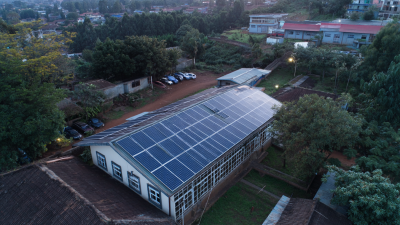
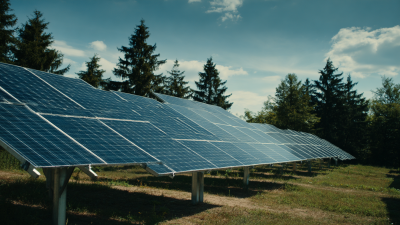
In 2026, several types of solar energy systems are available for homeowners and businesses. Photovoltaic (PV) systems convert sunlight directly into electricity. These systems are common and versatile. Many now feature improved efficiency, allowing them to capture more sunlight. Residential installations often include roof-mounted panels, while larger setups may use ground-mounted options.
Concentrated solar power (CSP) is another option. CSP systems harness sunlight to generate heat. This heat drives turbines to produce electricity. They are particularly effective in areas with abundant sunlight. However, their installation is often more complex and site-specific. Costs can vary widely based on location and system size.
Solar battery systems have gained popularity too. They store energy for later use, which offers greater energy independence. While these systems have become more efficient, they require careful consideration of costs and maintenance. Buyers should assess their energy needs. Understanding local sunlight patterns can also influence choices. Each system has its strengths and weaknesses. Research is essential for finding the best fit for unique situations.
How to Choose the Best Solar Energy Systems in 2026? - Types of Solar Energy Systems Available in 2026
| Type of Solar Energy System |
Efficiency (%) |
Cost (per kW) |
Lifespan (Years) |
Best Use Case |
| Monocrystalline Solar Panels |
20-22 |
$1,000 |
25 |
Residential and Commercial |
| Polycrystalline Solar Panels |
15-18 |
$800 |
25 |
Large Scale Projects |
| Building-Integrated Photovoltaics (BIPV) |
15-20 |
$1,500 |
20 |
Urban Architecture |
| Thin-Film Solar Cells |
10-13 |
$600 |
10-15 |
Portable Applications |
| Solar Roof Tiles |
18-22 |
$1,200 |
25 |
Home Upgrades |
Evaluating Solar Panel Efficiency: What to Look For
When evaluating solar panel efficiency, it's vital to focus on various key metrics. Panel efficiency is often expressed as a percentage, reflecting how effectively they convert sunlight into electricity. As of 2023, the average efficiency of solar panels is around 20%, with top performers exceeding 22%. Reports from the National Renewable Energy Laboratory indicate that in 2026, we might see panels reaching efficiencies up to 25%. This innovation hinges on advancements in materials, such as bifacial solar cells, which capture light from both sides.
Temperature coefficient is another important factor. It measures how a panel's performance diminishes with heat. A lower temperature coefficient indicates better performance in warmer conditions. This is critical in regions experiencing high temperatures. For instance, panels with a coefficient of -0.3%/°C may outperform others in hot climates. Evaluating how panels fare under varying conditions gives deeper insight into their reliability.
Warranties and degradation rates provide additional layers of evaluation. Most panels come with a warranty period of 25 years, but the rate of degradation can differ. Quality panels degrade at a rate of about 0.5% per year, while lower-quality ones can drop by 1% or more. Understanding this can be the difference between an intelligent investment and a costly mistake. Ensuring you choose systems that reflect a balance of performance metrics, durability, and long-term efficiency is essential as the market evolves.
Understanding the Cost-Benefit Analysis of Solar Energy in 2026
When evaluating solar energy systems in 2026, a cost-benefit analysis is vital. This analysis helps homeowners understand the financial implications connected to solar investments. Start by calculating the total installation costs, including panels, inverters, and labor. Next, assess the available tax incentives and rebates. These can significantly reduce the upfront costs, making solar energy more accessible.
In addition to initial costs, consider long-term savings. Solar systems can lower or eliminate electric bills, depending on usage. Over time, these savings can outweigh the installation costs. However, maintenance expenses and the lifespan of solar panels are also critical factors to analyze. Some systems may require more upkeep, impacting their overall benefit.
Reflecting on regional factors is equally important. Sunlight availability can differ greatly by location. In some areas, solar systems yield substantial savings, while in others, benefits may be limited. It's essential to research local solar energy trends and incentives. Understanding these elements ensures a more informed decision when choosing solar energy systems.
Government Incentives and Programs for Solar Energy Adoption in 2026
In 2026, navigating the world of solar energy systems requires a keen understanding of government incentives. Many countries continue to push for renewable energy, providing financial support for solar installations. Grants, tax credits, and rebates are common forms of incentives to promote solar energy adoption. You might find local programs that can substantially reduce upfront costs.
Tips: Research your area’s specific incentives. Check government websites or local energy authorities for accurate information. Some programs focus on low-income households, offering even greater benefits. Don't overlook the significance of deadlines; you may need to act quickly to secure incentives.
Understanding how these incentives work is crucial. Some programs are time-sensitive and may vary yearly. A solar energy system can be a substantial investment, and the right incentives can make a big difference. Sometimes, applications are lengthy or complex. It's essential to follow the guidelines closely to avoid delays or issues.
Before making any decisions, reflect on your needs. Are you looking for sustainability, cost savings, or both? This question can clarify your goals. Consider how your system will perform in different seasons and environments. Making informed choices is vital for maximizing benefits from these government incentives.