How to Choose the Best Solar Installation for Your Home or Business
Choosing the right solar installation for your home or business is a critical decision that can significantly impact both your energy costs and environmental footprint. As the demand for renewable energy sources continues to grow, navigating the myriad options available can be overwhelming. To simplify this process, industry expert Dr. Emily Carter, a renowned solar energy consultant, emphasizes the importance of thorough research when she states, "Investing in the right solar installation isn't just about saving money; it's about choosing a sustainable future."
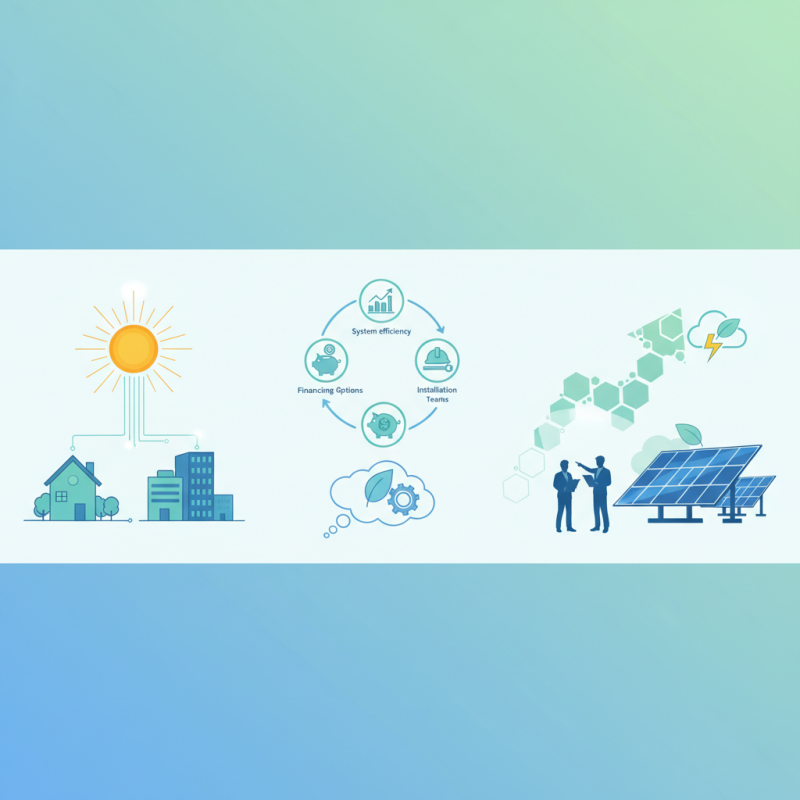
In evaluating your options for solar installation, it is essential to consider factors such as system efficiency, financing options, and the qualifications of installation teams. A well-informed choice not only enhances the performance of your solar system but also maximizes your return on investment. With advancements in technology and an increasing number of reputable providers in the market, understanding how to discern quality installations becomes ever more vital.
As you embark on this journey, remember that each solar installation is unique and should be tailored to meet specific energy needs. By following expert advice and engaging with trusted professionals, you can ensure that your investment leads to substantial energy savings and a reduction in your carbon footprint for years to come.
Understanding Your Energy Needs for Solar Installation
When considering solar installation for your home or business, understanding your energy needs is crucial. The first step in the process involves evaluating your current energy consumption. According to the U.S. Energy Information Administration, the average residential customer consumes about 877 kWh per month. This figure can vary significantly based on factors such as the size of your home, the number of occupants, and lifestyle choices. By analyzing your past utility bills, you can determine your energy patterns and identify the size of the solar system that will meet your needs.
Tips: Conduct an energy audit to assess your consumption effectively. This could involve checking for energy inefficiencies in your home or business, such as outdated appliances or inadequate insulation. You may also want to consider how your energy needs might change in the coming years, especially with the increasing trend towards electric vehicles and smart home technologies.
Once you have a clear understanding of your energy needs, the next step is to consider your location and available sunlight. The National Renewable Energy Laboratory (NREL) emphasizes that not all geographical areas receive the same amount of sunlight, which directly impacts solar energy production. In regions with lower sunlight exposure, a larger system may be necessary to meet energy goals. Therefore, take into account local climate patterns and solar incentives that could influence your investment in a solar installation.
Tips: Research local solar incentives and rebates to reduce installation costs, and consult with solar experts who can provide tailored solutions based on your specific energy requirements and location.
Evaluating Solar Technology Options for Home and Business
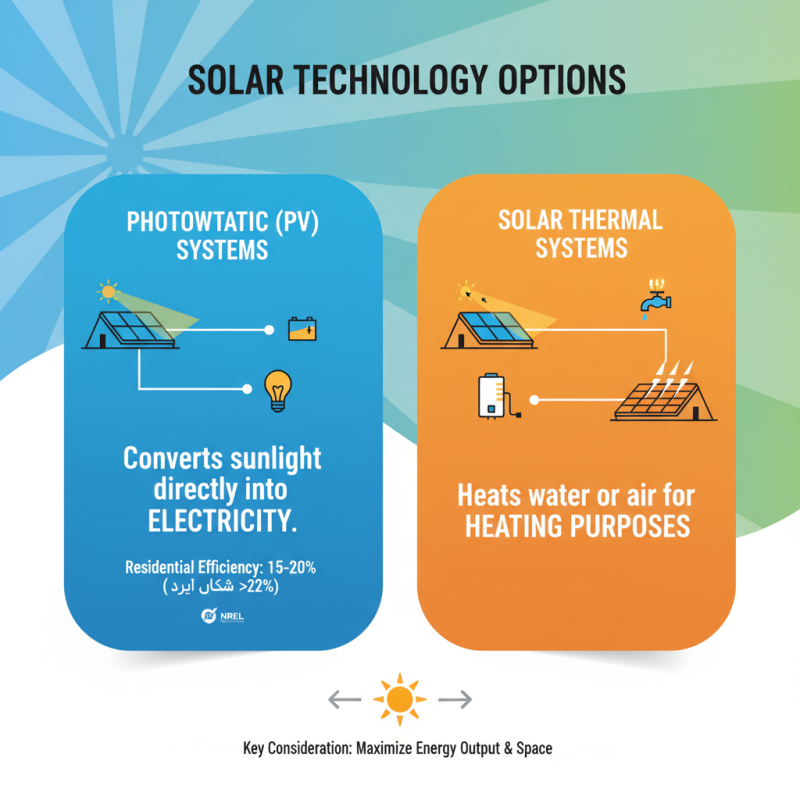
When evaluating solar technology options for your home or business, it's essential to consider the various types of solar systems available. The two primary categories are photovoltaic (PV) systems, which convert sunlight directly into electricity, and solar thermal systems, which harness solar energy for heating purposes. According to the National Renewable Energy Laboratory (NREL), residential PV systems have an average efficiency ranging from 15% to 20%, with advanced models occasionally exceeding 22%. This efficiency is crucial in maximizing energy output, particularly for regions with limited roof space.
Additionally, understanding the scale of your energy needs is vital. The U.S. Department of Energy reports that the average American household uses about 877 kWh per month. To adequately size a solar system, potential users should evaluate their energy consumption patterns and consider the solar potential of their location. For instance, homes and businesses in sunnier states generally benefit from higher solar energy production, leading to faster return on investment due to lower electricity bills. Furthermore, integrating battery storage solutions can further enhance solar systems by providing energy during peak demand hours and increasing energy independence, which is becoming increasingly essential as energy prices fluctuate.
Researching and Selecting Solar Installation Companies
When researching and selecting solar installation companies, it’s essential to consider several critical factors that can significantly impact your project’s success. According to a 2022 report by the Solar Energy Industries Association (SEIA), the U.S. solar market witnessed a record 23% growth in installed solar capacity over the preceding year, with more than 19.2 gigawatts (GW) added. This rapid expansion reflects the need for reputable and experienced contractors to handle the increasing demand for solar energy solutions.
To start your search, look for companies with a proven track record in solar installations, ideally those that have been in business for several years and have completed numerous projects similar to yours. A study by EnergySage found that homeowners often receive quotes from an average of three companies, allowing for comparative analysis that helps gauge pricing and service levels. It is advisable to check online reviews and ratings, as well as request references from past customers, to ensure the company has a solid history of customer satisfaction. Certification from organizations such as the North American Board of Certified Energy Practitioners (NABCEP) can also offer peace of mind, as it indicates that the installers have met established industry standards.
Additionally, evaluating the financial health of a solar company is essential, as many homeowners rely on financing options to fund their installations. The Solar Industry Research Report highlights that around 70% of residential solar installations are financed through loans or leases. Therefore, assessing a company's partnership with reputable financial institutions can indicate their reliability and the availability of attractive financing options for customers. Engaging with multiple providers and gathering detailed proposals will help you make an informed decision that aligns with your specific energy needs and budget.
How to Choose the Best Solar Installation for Your Home or Business
| Criteria |
Importance Level |
Rating Scale (1-5) |
Notes |
| Experience & Reputation |
High |
4 |
Look for companies with at least 5 years of experience. |
| Certifications & Licenses |
High |
5 |
Ensure company has necessary certifications. |
| Customer Reviews |
Medium |
4 |
Check online reviews on trusted platforms. |
| Warranty & Maintenance Services |
High |
5 |
A good warranty can save costs long-term. |
| Pricing & Financing Options |
Medium |
3 |
Compare quotes and available financing options. |
| Installation Timeframe |
Low |
3 |
Consider how quickly the installation can be completed. |
Understanding the Solar Installation Process and Timeline
The solar installation process begins with a thorough assessment of your property’s energy needs, location, and roof condition. This initial evaluation is critical as it determines the type and size of the system that will be most effective for your home or business. During this phase, contractors will conduct site surveys and shading analyses to identify optimal panel placement. Once the assessment is completed, you will receive a detailed proposal outlining the recommended system specifications, installation timeline, and cost estimates.
After agreement on the proposal, the actual installation follows a systematic timeline, often starting with securing the necessary permits and ensuring compliance with local regulations. The installation itself typically spans a few days to a couple of weeks, depending on the system’s complexity and size. During this period, solar panels, inverters, and other equipment are installed, and the necessary connections to your electrical system are made. Once installation is complete, a final inspection is conducted to ensure everything is up to code before the system is officially activated and begins generating energy. Understanding these steps can help you navigate the solar installation process with ease and set clear expectations for the timeline involved.
Solar Installation Process Timeline
This chart represents the average time (in weeks) taken for different stages of solar installation for residential and commercial projects.
Considering Financial Incentives and Long-Term Benefits of Solar
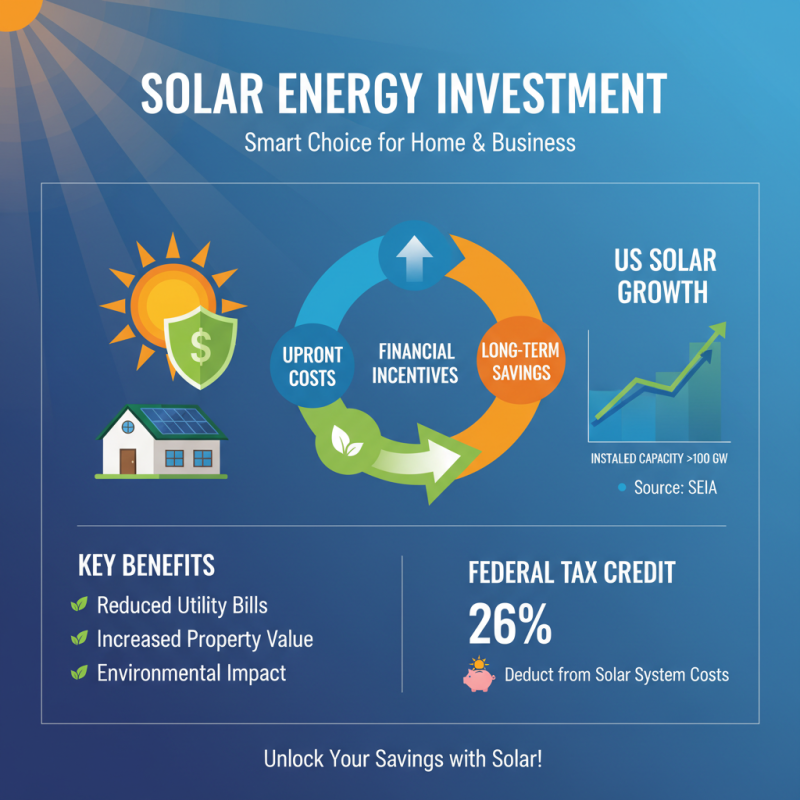
When considering solar installation for your home or business, it is crucial to evaluate not only the upfront costs but also the financial incentives and long-term benefits that solar energy provides. According to a report from the Solar Energy Industries Association (SEIA), the solar market has grown significantly, with a total installed capacity exceeding 100 gigawatts in the United States alone. This growth has been supported by various federal and state tax incentives, which can substantially reduce installation costs. For instance, the federal solar tax credit allows homeowners to deduct 26% of their solar system costs from their federal taxes, enhancing the overall affordability of switching to solar energy.
Tips for maximizing your solar investment include researching local and state-specific incentives, which may include rebates, grants, and net metering options. These can further alleviate the initial financial burden and increase potential savings over time. Furthermore, homeowners should consider the long-term value of solar energy, as systems can increase property value by an average of 4.1%, making them an attractive investment even beyond energy savings.
In terms of financial returns, studies show that solar energy systems can save homeowners an average of $20,000 to $30,000 over 20 years, depending on local energy prices and sunlight exposure. It's essential to perform a comprehensive analysis of your energy consumption and the potential savings from solar installation, allowing you to make an informed decision that pays off in the long run.