How to Choose the Best Solar Power Providers for Your Needs?
Choosing the right solar power providers can significantly impact your energy savings and sustainability goals. According to the Solar Energy Industries Association (SEIA), the U.S. solar market experienced a record growth of over 30% in 2022, indicating a rising demand for reliable solar providers. With many options available, selecting a provider that meets your unique needs is essential.
It's crucial to consider different factors when evaluating solar power providers. Quality and efficiency of solar panels are paramount. A report by the National Renewable Energy Laboratory shows that high-efficiency panels can produce up to 20% more energy. Customer reviews and service reliability must also guide your decisions. Some providers may promise outstanding savings but fail to deliver quality service.
The competitive landscape can be overwhelming. Not all providers have the same level of expertise or customer support. Look for certifications and industry recognition to identify reliable providers. However, it’s also important to reflect on your specific energy needs and financial situation. This understanding can help inform your choice and lead to a more satisfying solar experience.

Understanding Your Solar Power Needs and Goals
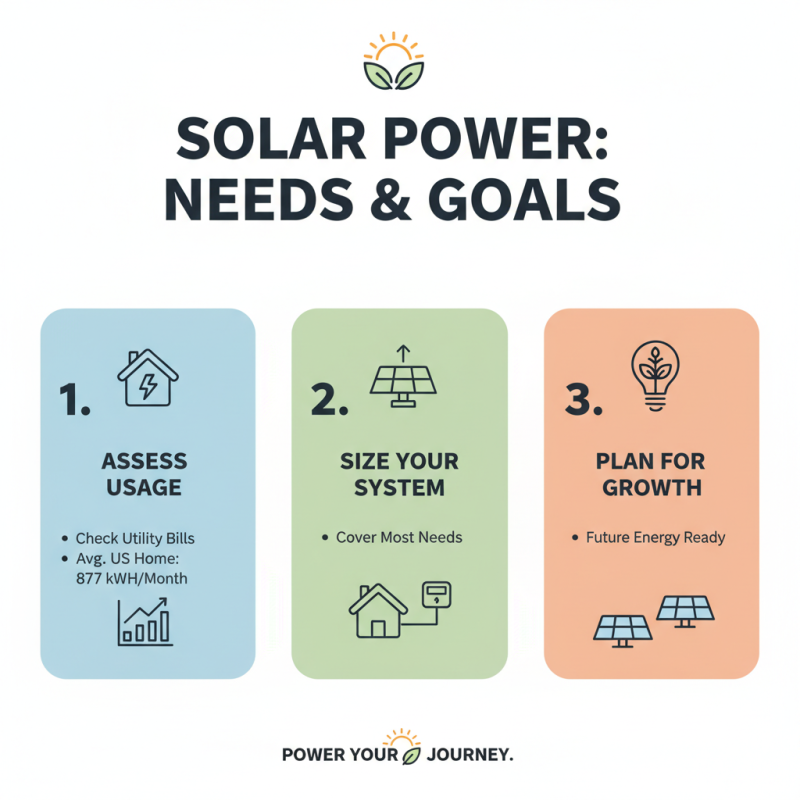
Understanding your solar power needs and goals can significantly influence your energy journey. Start by assessing your current energy usage. The average U.S. household consumes about 877 kWh monthly. Evaluating your utility bills can help establish a baseline. This data is vital when determining the size of your solar system. Aim for a system that covers a significant portion of your energy needs, but leave room for growth.
Consider your long-term goals as well. Data indicates that solar installations can increase property value by an average of 4.1%. If you plan to stay in your home for years, a larger system may be more beneficial. Conversely, if your situation may change, a smaller system might suffice. Also, reflect on your environmental impact. Studies show that a single solar panel can offset approximately 300 pounds of carbon dioxide annually.
Don’t overlook local regulations and incentives. In the U.S., for instance, many states offer tax credits or rebates for solar installations. These factors can greatly affect your total investment. Understanding your goals will position you to make more informed decisions about your solar provider, ensuring they align with your energy needs and financial situation.
Researching Local and National Solar Power Providers
When researching local and national solar power providers, it’s crucial to understand your unique needs. Think about energy consumption. Evaluate your current usage patterns; they will guide you in finding the right provider. Local providers often know the area well. They understand the local market trends and can offer tailored solutions.
Dig deeper into the reputations of these companies. Look for customer reviews online. Reviews can provide insight into the quality of service and installation processes. Speak with neighbors who have solar installations. Their experiences can shed light on the pros and cons of specific providers.
Consider the range of services offered. Some companies focus only on installation. Others may provide maintenance or financing options. It’s wise to read and compare contract terms. Hidden fees can create problems later. Pay attention to warranty information, too; it’s essential for long-term investment. Always be vigilant and ask questions. Take your time deciding which provider fits best.
Evaluating Provider Credentials and Customer Reviews
When evaluating solar power providers, customer reviews play a crucial role. According to a 2023 report by the Solar Energy Industries Association, over 70% of customers rely on reviews before making a decision. Positive feedback often indicates reliable service and quality equipment. However, it's essential to read beyond the star ratings. Some reviews may be biased or authored by individuals with no real experience.
Look for consistency in feedback. A provider with numerous consistently positive reviews is likely more trustworthy. Many platforms allow customers to leave detailed accounts of their experiences. Watch for commentary on installation, maintenance, and customer support. In a survey, 65% of users reported dissatisfaction due to unresponsive customer service. This often highlights a provider's reliability over the long term.
Consider checking independent websites that aggregate reviews. They provide a broader perspective. Also, searching for any complaints filed against a provider can reveal red flags. The Better Business Bureau reports that consumers should investigate any unresolved issues. Transparency about both strengths and weaknesses is vital in choosing the right provider for your solar needs.
How to Choose the Best Solar Power Providers for Your Needs? - Evaluating Provider Credentials and Customer Reviews
| Provider Credentials |
Customer Rating (out of 5) |
Years in Business |
Specialization |
Warranty Offered |
| Certified Installer, NABCEP Accredited |
4.8 |
15 |
Residential Solar |
25 Years |
| LEED Certified, ISO 9001 |
4.5 |
10 |
Commercial Solar |
20 Years |
| Emerging Energy Provider Certification |
4.2 |
5 |
Community Solar |
15 Years |
| State Licensed, BBB Accredited |
4.7 |
12 |
Off-grid Solutions |
30 Years |
| Home Performance Certified |
4.6 |
8 |
Energy Efficiency |
25 Years |
Comparing Pricing, Financing Options, and Incentives
When selecting a solar power provider, pricing is a critical factor. Different companies offer varying rates. Some may have appealing initial prices but hidden costs. It's essential to read the fine print. Compare quotes from several providers to uncover the best deal. Don't forget about installation fees and maintenance charges. These can add significantly to your overall expense.
Financing options can greatly influence your decision. Many companies provide flexible payment plans or loans. Explore solar leases versus outright purchases. Each option has its benefits and drawbacks. A lease may seem affordable, but you might miss out on tax credits. Understand how each financing method impacts long-term savings. Negotiate financing terms carefully.
Incentives can also sway your choice. Tax credits, rebates, and local incentives can reduce your net costs. Research what’s available in your area. Some regions offer attractive incentives for solar installations. However, these incentives can change quickly. You may face challenges in keeping up with current state or federal policies. Stay informed to maximize your benefits.
Assessing Installation and Warranty Services Offered
When selecting a solar power provider, examining installation and warranty services is critical. High-quality installation ensures that the system operates efficiently. Poor installation can lead to reduced energy output and higher maintenance costs. Investigate the installation team’s experience. Look for providers who have successfully completed projects similar to yours.
Warranties are equally important. A good warranty offers peace of mind. It protects your investment over time. Check the duration and coverage details. Some warranties may only cover equipment, leaving out labor. Understand the terms fully before making a decision. A complex warranty structure can lead to confusion later.
Additionally, consider feedback from other customers. Reviews can reveal common installation issues or claims experiences. Look for patterns in reviews. Did many customers mention installation delays or warranty complications? This information can guide your choice. It’s essential to trust your provider, so take your time in evaluating their services.