How to Choose China Solar System 800v MCCB for Your Needs?
Choosing the right electrical components for your solar system is critical. The China Solar System 800v Mccb plays a significant role in ensuring safety and efficiency. This circuit breaker is designed to protect your system from overcurrent and short circuits.
In the rapidly evolving solar industry, many factors influence your choice. It's essential to consider the power output, environmental conditions, and installation requirements. Also, reliability is paramount. A low-quality MCCB can lead to system failures. This not only affects performance but may also incur additional costs for repairs.
Understanding the specifications and features of the China Solar System 800v MCCB can enhance your decision-making. Familiarize yourself with terms like fault current rating and tripping characteristics. Many consumers overlook these details, leading to unsuitable selections. It’s imperative to engage with reliable suppliers who can provide expert advice and support.
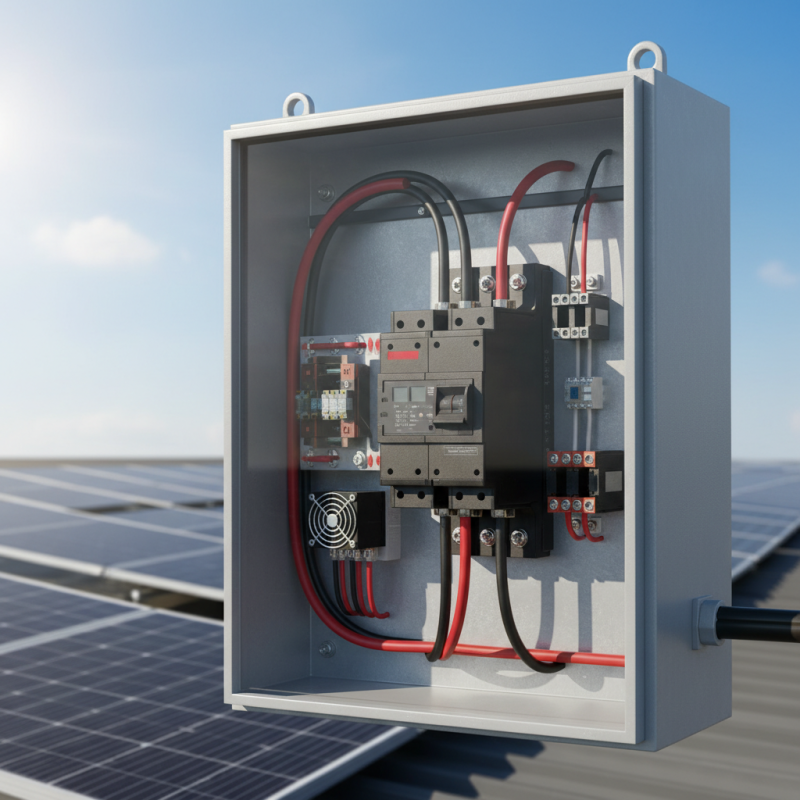
Understanding the Basics of MCCBs in Solar Systems
Choosing the right Molded Case Circuit Breaker (MCCB) for solar systems is crucial. MCCBs protect electrical circuits by interrupting fault currents. In solar energy systems, they safeguard against overload and short circuits. Understanding their specifications can prevent equipment damage.
Studies show that improper protection can lead to system failures. According to the International Renewable Energy Agency (IRENA), a significant percentage of solar system outages stem from component failures. Data indicates that overrated MCCBs can cause nuisance tripping, leading to energy losses. It's essential to match the MCCB's ratings with the solar inverter's output.
Proper selection requires understanding your system's voltage and current ratings. For a typical solar installation, an 800V MCCB may suit systems with higher voltage outputs. Research highlights that using the correct MCCB can enhance system reliability. Regular maintenance and monitoring are also vital. Even the best systems can experience issues without regular checks. Always consider the environmental conditions where the system operates as well.
Understanding the Current Ratings of MCCBs for Solar Systems
Key Specifications to Consider for 800V MCCBs
When selecting an 800V MCCB (Molded Case Circuit Breaker) for solar applications, several key specifications should be evaluated. The current rating is critical. Choose a unit that meets the expected load. It's crucial to avoid under-specifying, which can lead to failures. Also, consider the interrupting capacity. This indicates how much fault current the MCCB can safely interrupt. Opt for a model with a higher rating than the maximum potential fault current in your system.
Another important factor is temperature rating. Solar systems can experience fluctuations in temperature, and the MCCB should operate efficiently within these limits. Look for models that can handle extreme weather. Additionally, examine the size and environmental protection features of the MCCB. This impacts installation space and durability in harsh conditions. Some users might find it challenging to choose due to a lack of clarity in technical specifications.
Finally, consider the installation process. Some MCCBs might require more complex setups. Understanding these details can prevent future issues. Many users overlook this aspect and face difficulties during installation. Therefore, it’s vital to assess your team’s expertise and the MCCB design. Make informed choices to ensure reliability and safety in your solar system deployment.
Evaluating Performance Features for Your Solar Needs
When choosing a solar system, it's essential to evaluate the performance features of components like the 800v MCCB. This ensures efficiency and safety. Start by assessing the current rating. A higher rating generally indicates better performance under load. Look for options that support overload and short circuit protection. This prevents potential damage to your solar system.
Tips: Check for thermal stability. The MCCB should perform well under varied temperatures. An unstable thermal profile can lead to failures.
Next, consider the ease of installation and maintenance. A complicated setup can lead to operational errors. Look for clear instructions and good support documentation. Some designs may seem user-friendly but have flaws. Always verify compatibility with your existing solar inverter and battery system.
Tips: Prioritize components with clear guidelines. This will reduce potential headaches during installation.
Lastly, pay attention to warranties and certifications. They reflect the reliability of the product. A product with a strong warranty can save you future costs. However, not all warranties are equal, so examine the terms carefully.
How to Choose China Solar System 800v MCCB for Your Needs? - Evaluating Performance Features for Your Solar Needs
| Feature | Specification | Importance |
| Rated Operational Voltage | 800V AC | Critical for safety and compatibility with solar systems |
| Current Rating | 63A / 80A / 100A | Determines load capacity for the installation |
| Breaking Capacity | 10kA / 15kA | Protection against short circuits and overloads |
| Mounting Type | Din Rail Mounting | Easy installation in control panels |
| Degree of Protection | IP20 | Protection from contact and foreign bodies |
| Standard Compliance | IEC 60947-2 | Ensures reliability and safety in various applications |
| Temperature Range | -5°C to +40°C | Suitable for various installation environments |
| Warranty Duration | 2 Years | Indicates manufacturer trust in product longevity |
Assessing Compliance with Industry Standards and Regulations
When selecting an 800V MCCB for solar systems in China, compliance with industry standards is crucial. According to the China National Standards Commission, about 70% of electrical failures stem from non-compliance with safety regulations. Ensuring your MCCB meets the GB 14048.2 standard can reduce risks significantly. These standards dictate performance, safety, and reliability features essential for solar applications.
Understanding how an MCCB functions helps you select suitable equipment. A reliable MCCB must handle voltage fluctuations and overcurrent situations typical in solar installations. The electric capacity ratings should align with the solar array size and inverter specifications. Reports indicate that improper sizing of circuit breakers can lead to equipment damage and reduce system efficiency by up to 15%. Monitoring compliance documentation, like test reports, can assist in making informed choices.
Improper installation or selection could have costly implications. Regular assessments of compliance with local and national codes ensure operational safety. Utilizing third-party testing organizations can provide an unbiased perspective on product quality. Emphasizing this step can prevent unnecessary downtime and long-term financial loss.
Making the Right Choice: Cost vs. Quality for MCCBs
Choosing between cost and quality for MCCBs is crucial. The market offers a wide range of products, but not all meet the same standards. According to a report by the International Electrotechnical Commission, low-quality MCCBs can lead to safety hazards and equipment failures. Investing in a reliable Circuit Breaker can prevent costly downtime.
Many buyers focus solely on the price. However, compromising on quality can lead to higher long-term costs. A survey by the Institute of Electrical and Electronics Engineers highlighted that 60% of failures in solar systems result from poor electrical components. High-quality MCCBs often come with better safety ratings and longer lifespans.
When evaluating options, consider the specifications required for your solar system. Look into K-rated MCCBs that handle fault currents effectively. However, do not ignore the manufacturer's reputation. A good combination of cost and quality can lead to greater reliability and efficiency in your solar project. This balance is not always easy to achieve, and each decision should be made carefully.