Skip to content

Why Choose Solar Energy Systems for Your Home?

As homeowners seek sustainable options, solar energy systems are gaining popularity. Dr. Emily Thompson, a leading expert in renewable energy, emphasizes, "Solar energy systems transform how we power our lives." Her insights highlight the shift towards cleaner energy.

Choosing solar energy systems can provide significant savings on electricity bills. Many households experience reduced utility costs. However, the initial investment can still feel daunting. Not everyone understands the long-term benefits. This hesitancy can sometimes overshadow the advantages of using solar energy systems.

Moreover, local incentives and rebates can help offset costs. Some homeowners report a steep learning curve while transitioning to solar. Adapting to new technology may be challenging. Nevertheless, embracing solar energy systems can lead to a more sustainable future while enhancing home value.
Why Choose Solar Energy Systems for Your Home?

Benefits of Solar Energy for Homeowners

Solar energy systems offer numerous benefits for homeowners. One of the most notable advantages is cost savings on electricity bills. Imagine reducing your monthly expenses while contributing to a healthier planet. With rising energy prices, many homeowners are seeking more affordable alternatives. Solar panels can help to lock in energy costs and protect against future price hikes.

Another major benefit is energy independence. Homeowners can generate their own electricity, reducing reliance on the grid. This is particularly valuable during power outages or grid failures. Installing a solar system may seem daunting at first, but the rewards are often worth the investment. There can be a steep learning curve navigating local regulations and incentives. However, the long-term savings can offset the initial complications and frustrations.

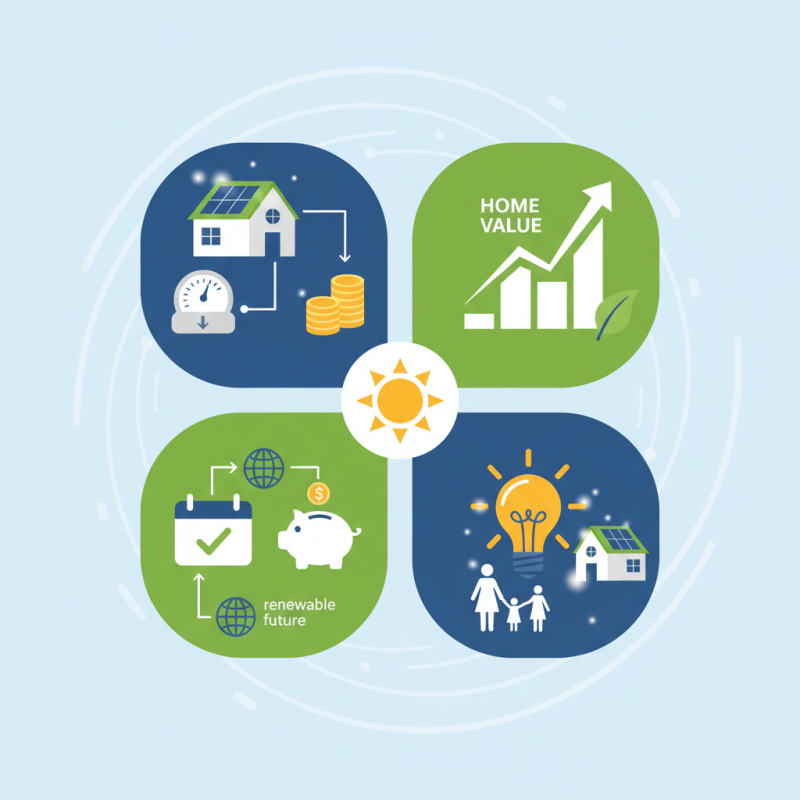
Moreover, increasing home value is another key factor. Solar systems can enhance property appeal, attracting buyers looking for energy efficiency. Research shows properties with solar installations tend to sell faster. Still, it’s important to assess whether the local market is receptive to solar investments. Each homeowner's experience may vary based on specific circumstances. Planning carefully is essential to maximize the potential benefits of solar energy.

Why Choose Solar Energy Systems for Your Home? - Benefits of Solar Energy for Homeowners

Benefit Description Annual Savings (USD) Environmental Impact
Reduced Electricity Bills Solar panels generate electricity, reducing the amount of power purchased from the grid. $1,000 - $2,000 Decreased reliance on fossil fuels.
Tax Incentives Various tax credits and incentives available for solar installation. $2,000 - $7,500 Encourages renewable energy adoption.
Increase Home Value Homes with solar energy systems can sell for more than those without. $15,000 - $30,000 Positive impact on community property values.
Energy Independence Reduce dependence on external energy resources. Varies Lowers vulnerability to energy price fluctuations.
Low Maintenance Costs Solar systems require minimal maintenance after installation. $100 - $300 Long-term sustainability and efficiency.

How Solar Energy Systems Work in Residential Settings

Solar energy systems operate by converting sunlight into electricity. This process typically involves photovoltaic (PV) panels. These panels capture sunlight, producing direct current (DC) electricity. An inverter then converts this DC electricity into alternating current (AC), which powers your home.

Data shows that residential solar energy usage has increased by over 40% in the last five years. Many homeowners find this trend appealing. However, installation costs can be a hurdle. Average installation might range from $15,000 to $25,000, depending on system size and location.

It's crucial to assess your energy needs accurately. Oversized systems can lead to unnecessary expenses. On the other hand, undersized systems might not meet demand, especially during peak hours. Maintenance is also a consideration. While solar panels are low-maintenance, occasional cleaning and inspections are necessary to ensure efficiency.

Cost Savings and Financial Incentives for Solar Energy

Why Choose Solar Energy Systems for Your Home?

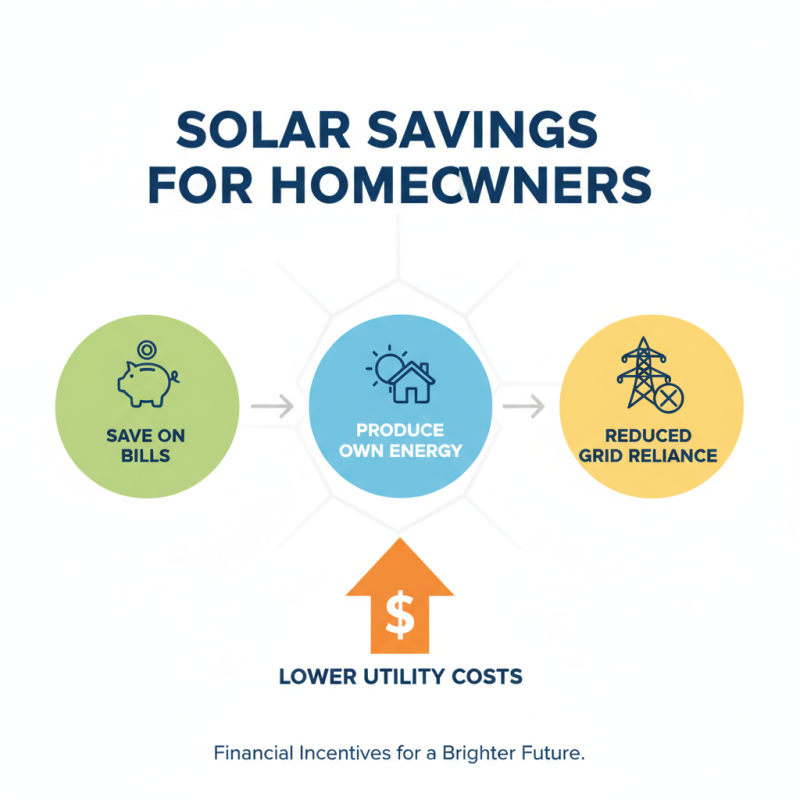
When considering solar energy for your home, financial incentives are a significant factor. Homeowners can save considerably on their electricity bills. With solar panels, you produce your own energy. This means reduced reliance on the grid, leading to lower utility costs.

Many regions offer tax credits for solar installations. These incentives can offset a significant portion of the installation cost. Additionally, some local governments provide grants or rebates. This makes solar energy even more affordable. However, navigating these incentives can feel overwhelming.

**Tip:** Research local and federal solar incentives. They vary by location and can change frequently.

Another consideration is the long-term savings. While the initial investment can be high, homeowners often see returns in just a few years. It’s essential to weigh these potential savings against your current energy costs.

**Tip:** Always get multiple quotes before committing to a solar installation. This helps avoid overspending.

While going solar seems attractive, some may hesitate due to initial costs. Reflect on your energy consumption patterns. Are they stable or fluctuating? Understanding your needs can influence your decision.

Environmental Impact of Solar Energy on Home Usage

Switching to solar energy systems in homes can significantly reduce the carbon footprint. Solar panels convert sunlight into electricity, lowering reliance on fossil fuels. This transition helps decrease greenhouse gas emissions. It's a step toward a cleaner environment.

Using solar energy at home can also promote sustainability. In some areas, local ecosystems benefit from reduced pollution. Wildlife thrives when air and water quality improve. Families can take pride in creating an eco-friendly living space.

Tips: Consider starting small. Install solar panels on a portion of your roof. Research local incentives for solar installation. Also, regularly maintain your system. This maximizes efficiency and prolongs lifespan. Remember, every bit counts in the fight against climate change.

Factors to Consider When Installing Solar Energy Systems

When installing solar energy systems, several factors can affect your decision. One crucial aspect is roof orientation. South-facing roofs generally capture more sunlight, increasing energy production. According to the U.S. Department of Energy, proper orientation can boost efficiency by 20-30%.

Another factor is local regulations. Some areas offer incentives, such as tax credits or rebates. However, navigating permits and zoning laws can be complex. Homeowners may encounter unexpected hurdles that delay installation. Understanding these aspects is essential before committing to a solar project.

Cost is also a significant consideration. While prices have fallen by nearly 70% since 2010, according to the Solar Energy Industries Association, initial investment remains high for many. It’s important to conduct a detailed financial analysis. This includes potential savings on energy bills and long-term maintenance costs. Evaluating these elements can prevent future regrets and ensure a solid return on investment.