How to Choose the Right Solar Power System for Your Home in 2023
As homeowners increasingly seek sustainable energy solutions, the demand for solar power systems continues to rise. According to a report by the Solar Energy Industries Association (SEIA), the U.S. solar market is expected to double in size by 2024, with over 25 million homes projected to adopt solar energy technology. This trend reflects a growing awareness of both environmental impact and energy savings, making 2023 a pivotal year for those considering solar investments.
Experts, such as Dr. Emily Renner, a leading researcher in renewable energy systems, emphasize the importance of making informed decisions. She states, "Selecting the right solar power system is crucial not just for enhancing efficiency but also for aligning with your long-term energy goals." Her insights remind homeowners of the need to evaluate their unique energy needs, budget, and available solar incentives.
Navigating the options available in solar power systems can be daunting, given the variety of sizes, types, and installation processes. Understanding the potential benefits and challenges of different solar solutions is essential for optimizing energy consumption and cost-effectiveness. In this guide, we will explore how to choose the right solar power system for your home in 2023, empowering you to make a decision that supports both your energy needs and sustainability objectives.
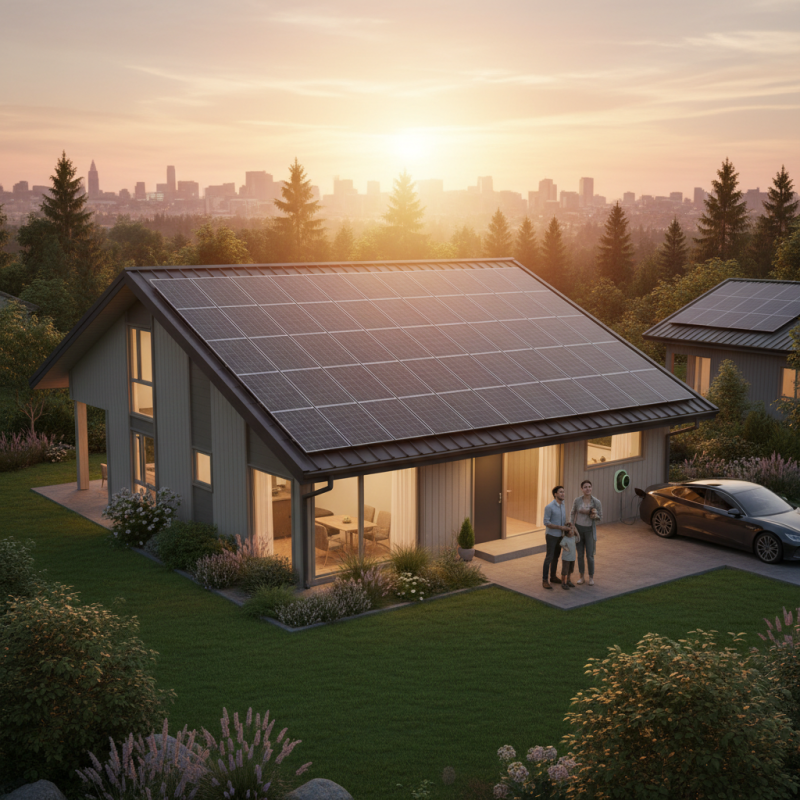
Understanding Your Energy Needs and Goals for Solar Power
When considering the right solar power system for your home in 2023, it's crucial to first understand your energy needs and goals. Start by assessing your current energy consumption. Look at your utility bills over the past year to get a clear picture of how much energy you use monthly. This will help you determine the size of the system you need. Additionally, think about the future—if you plan to add appliances or increase your energy use, factor that into your calculations.
Tips: Install an energy monitor to gain real-time insights into your electricity usage. This can help you identify peak usage times and determine where you can reduce consumption.
Another important consideration is your solar goals. Are you looking to reduce your carbon footprint, save on energy costs, or achieve energy independence? Defining these goals will guide your decision-making process. If your primary objective is financial savings, aim for a system that maximizes efficiency and provides a quick return on investment.
Tips: Consider different financing options such as solar loans or leases to understand which aligns best with your financial goals. Always remember to research local incentives and rebates, as these can significantly reduce your upfront costs.
How to Choose the Right Solar Power System for Your Home in 2023
| Energy Need (kWh/month) |
System Size (kW) |
Average Cost ($) |
Incentives Available ($) |
Payback Period (Years) |
| 500 |
5 |
15000 |
3000 |
5 |
| 750 |
7 |
21000 |
3500 |
6 |
| 1000 |
10 |
30000 |
5000 |
7 |
| 1250 |
12 |
36000 |
6000 |
8 |
| 1500 |
15 |
45000 |
7500 |
9 |
Evaluating Different Types of Solar Power Systems Available
When evaluating different types of solar power systems available for your home, it's crucial to consider both your energy needs and the unique characteristics of each system. The two primary types of solar power systems are grid-tied and off-grid systems. Grid-tied systems allow you to harness solar energy while remaining connected to the electricity grid, offering benefits like net metering, where you can sell excess energy back to the grid. On the other hand, off-grid systems provide complete independence from the grid, relying on battery storage to ensure you have power during outages or times of low sunlight.
Tips: Consider your local climate and energy consumption patterns. If you live in an area with abundant sunlight and have a steady energy demand, a grid-tied system might be more economical. However, if your location frequently experiences power outages or high utility rates, investing in an off-grid system with battery backup could be a better long-term solution.
Another option is a hybrid solar power system, which combines the advantages of both grid-tied and off-grid systems. This type allows you to use solar energy while still being connected to the grid and having battery storage for backup. When choosing the right system, think about future energy needs, the potential for expanding your system, and the overall cost-effectiveness. Assessing these aspects will help you make a well-informed decision that aligns with your lifestyle and budget.
Assessing Installation Costs and Financial Incentives for Solar Energy
When considering the installation of a solar power system for your home, one of the first aspects to evaluate is the associated costs. The initial investment for a solar setup can vary significantly based on factors such as system size, installation complexity, and local labor costs. It’s crucial to obtain multiple quotes from different solar contractors to find a competitive price. Additionally, the type of solar panels and inverters chosen can also impact overall expenses, so homeowners should research which options provide the best value for their needs.
Financial incentives available for solar energy installation can significantly reduce out-of-pocket costs. In many regions, homeowners can benefit from federal tax credits, state rebates, and local incentives designed to promote renewable energy adoption. These financial incentives not only help lower the upfront costs but can also enhance the overall return on investment. It's essential to check eligibility requirements and application processes for these incentives, as they can vary by location. By taking advantage of these programs, homeowners can make solar energy a more accessible and financially viable option, paving the way for a sustainable energy future.
Considering Local Climate and Sunlight Exposure Factors
When choosing a solar power system for your home in 2023, understanding local climate and sunlight exposure factors is crucial. Different regions experience varying levels of sunlight throughout the year, which directly affects the efficiency and output of solar panels. For instance, areas with prolonged periods of sunshine can maximize energy generation, making them ideal for larger solar installations.
Conversely, regions with frequent cloud cover or short daylight hours might require more strategic planning to ensure adequate energy production.
Additionally, considering seasonal variations in sunlight is essential. Homes located in areas with distinct seasons may experience fluctuating energy needs, necessitating a more tailored system approach. For instance, if winters are particularly gloomy, homeowners might want to invest in a battery storage system or supplement their solar setup with backup energy options. Tracking the average solar insolation for your location can provide insights into how much energy your system can realistically generate and help in sizing your solar power system to meet your household's needs effectively.
Selecting a Reliable Installer and Understanding Maintenance Requirements
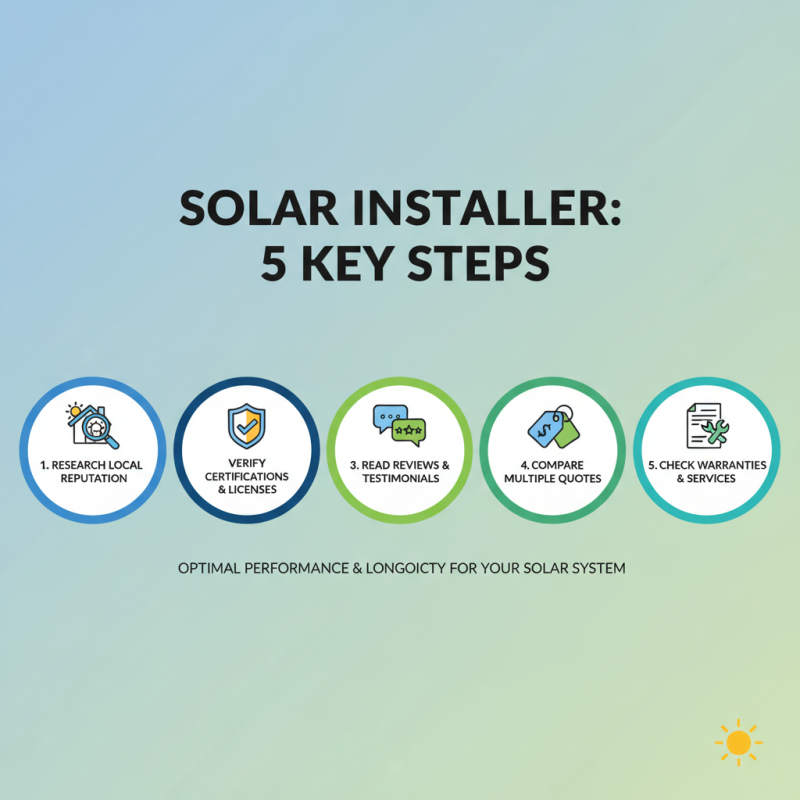
Selecting a reliable installer for your solar power system is crucial to ensure optimal performance and longevity. Start by researching local installers with a strong reputation for quality work and customer service. Look for certifications and licenses that demonstrate their expertise and adherence to industry standards. Reviews and testimonials from previous customers can provide insight into the installer's reliability and the quality of their installations. Additionally, consider obtaining quotes from multiple installers to compare pricing and services offered, ensuring they cover aspects such as system design, installation, and any warranties provided.
Understanding maintenance requirements is equally important in maximizing the efficiency of your solar power system. Regular maintenance, including cleaning the solar panels and inspecting components, helps to maintain performance and extend the lifespan of the system. Some installers offer maintenance packages as part of their service to keep your system running smoothly. It's essential to clarify what maintenance responsibilities fall on you as the homeowner versus what the installer will handle. Additionally, familiarize yourself with any necessary permits or inspections required by local regulations to ensure compliance and proper functioning of your solar power system.