How to Choose the Best Solar Storage Solutions?
In recent years, the demand for solar energy has surged. According to a report by the International Energy Agency, solar photovoltaic (PV) capacity reached over 800 GW globally by the end of 2021. This growth highlights the importance of efficient Solar Storage solutions. Storage systems play a critical role in maximizing the benefits of solar energy by ensuring a constant power supply.
Choosing the right Solar Storage can be complex. Various options exist, such as lithium-ion batteries, lead-acid batteries, and flow batteries. Each comes with its own advantages and disadvantages. A recent study found that about 60% of homeowners with solar panels are considering Solar Storage solutions. Yet, many remain unsure of their best options.
It's essential to evaluate factors like capacity, cost, and lifespan when making choices. The perfect solution for one household may not work for another. Even with advancements, challenges in technology exist. Understanding these nuances can lead to better decisions when investing in Solar Storage. Finding the right fit requires careful analysis and reflection on future energy needs.
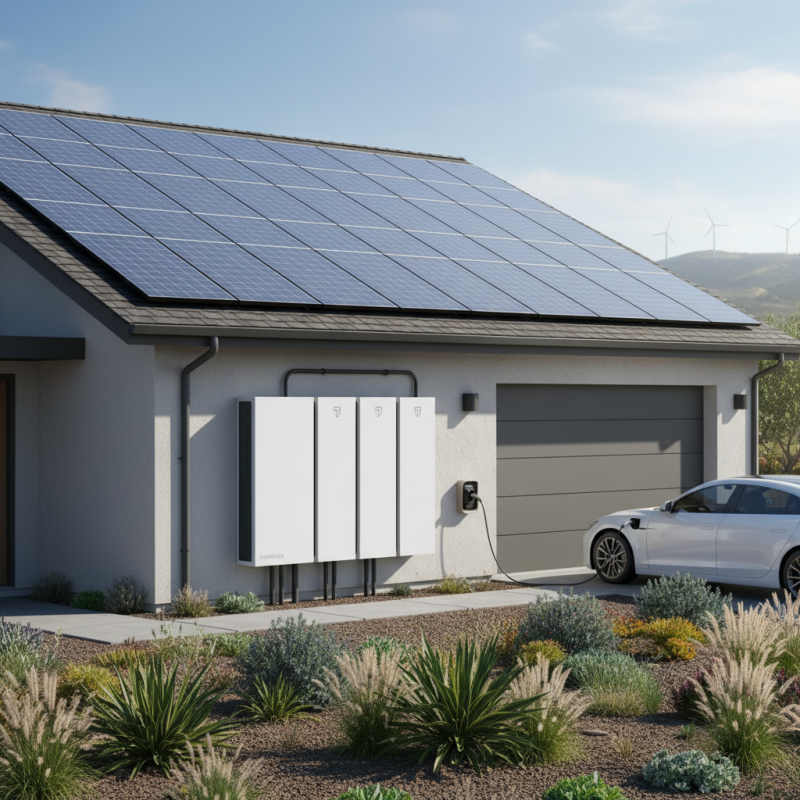
Understanding Solar Storage Solutions: Key Concepts and Benefits
When considering solar storage solutions, it’s essential to understand their key concepts and benefits. Solar storage typically involves batteries that hold excess energy produced during sunny days. This stored energy can then be used when the sun isn’t shining. However, not all batteries are created equal. Some may have a shorter lifespan or lower efficiency.
One of the main benefits of these storage solutions is energy independence. Homeowners can reduce reliance on the grid. This can lead to significant savings on energy bills over time. However, potential buyers should reflect on their energy needs. Choosing a product that doesn’t match usage can lead to wasted investment.
Additionally, the environmental impact of solar storage is significant. Properly utilized, these systems decrease carbon footprints. Yet, improper disposal of batteries can cause harm. It’s vital to consider the entire life cycle of storage solutions. Think about how they will be used, maintained, and retired. This holistic view can guide you in choosing the best option for your needs.
Evaluating Battery Types: Lithium-ion vs. Lead-Acid Performance
When choosing solar storage solutions, it's essential to consider the type of batteries you will use. Two common options are lithium-ion and lead-acid batteries. Lithium-ion batteries are lighter and more compact. Their efficiency can reach up to 95%, allowing more stored energy for your needs. However, the initial cost can be higher.
Lead-acid batteries are more affordable upfront, but they are heavier and less efficient. They typically offer around 80% efficiency, resulting in more energy wasted. Their lifespans are shorter, leading to potential replacement costs. While they are reliable, they may not be suitable for all solar setups.
Consider your energy needs carefully. What works for one household might not work for another. Weighing your options is crucial. Think about how often you'll use stored energy. Also, remember that maintenance can vary. Lithium-ion requires less upkeep, but monitoring is still necessary. On the other hand, lead-acid may need regular checks to ensure optimal performance.
Balancing your budget and needs will lead to a better decision.
Assessing Capacity and Power Ratings: How They Impact Performance
When choosing solar storage solutions, capacity and power ratings are crucial. Capacity refers to how much energy a system can store. Power rating measures how much energy can be delivered at one time. Understanding these terms helps assess the system's overall performance.
For instance, a battery with a higher capacity can hold more energy. This means it can power your home longer during outages. However, it’s essential to note that a high capacity doesn’t always equal high performance. Power ratings impact how quickly energy can be drawn. A battery can store a lot but may not supply energy fast enough when needed.
Tip: Think about your daily energy needs. Calculate your usage to find a storage solution that fits. Also, consider potential growth in energy consumption. Your needs may increase over time, like adding new appliances or electric vehicles.
Another tip is to match your solar panel output to your storage system. If they are misaligned, performance can suffer. A well-balanced system improves efficiency and extends battery life. Look closely at specs and ask questions to ensure you make an informed decision. Choosing the right system requires reflection and understanding what works best for you.
Cost Analysis: Comparing Initial Investments and Long-term Savings
When considering solar storage solutions, cost analysis is crucial. Evaluating initial investments against long-term savings helps in making informed decisions. Solar storage systems can vary significantly in price. The upfront cost often includes installation, batteries, and other equipment. However, these expenses can be offset by savings on energy bills over time.
Tips for cost analysis:
1. Calculate the payback period. Understand how long it will take to recoup your investment.
2. Research potential incentives. Some areas offer tax credits or rebates for solar installations.
3. Compare various storage options. Look at both lithium-ion batteries and other technologies. Each has distinct lifespan and efficiency rates.
Long-term savings depend on local electricity rates and the efficiency of your system. Higher efficiency means better savings. However, not every solar storage system will yield the same results. Some users report unexpected maintenance costs. It’s essential to stay informed about potential issues. Reviewing your options thoroughly may reveal hidden expenses.
How to Choose the Best Solar Storage Solutions? - Cost Analysis: Comparing Initial Investments and Long-term Savings
| Storage Type | Initial Investment ($) | Capacity (kWh) | Lifetime (Years) | Estimated Savings ($/Year) | Total Savings (10 Years) ($) |
| Lithium-ion Battery | 7,000 | 10 | 15 | 1,200 | 12,000 |
| Lead-acid Battery | 5,000 | 6 | 8 | 900 | 7,200 |
| Flow Battery | 10,000 | 20 | 20 | 1,500 | 30,000 |
| Nickel-cadmium Battery | 8,000 | 15 | 10 | 1,000 | 10,000 |
Choosing the Right System Size: Calculating Your Energy Needs
When you consider solar storage solutions, system size matters. It’s crucial to calculate your energy needs accurately. Start by assessing your daily power consumption. You can list your devices and their wattage. This will give you a clearer picture of your energy usage.
Once you gather this information, it’s time to dig deeper. Calculate the total watt-hours your household consumes in a day. This will involve adding up the watt-hours for each appliance. For example, if your refrigerator uses 150 watts and runs for 24 hours, that’s 3,600 watt-hours. Many people overlook smaller devices. Those phone chargers and light bulbs add up quickly.
It’s easy to underestimate energy needs. Many find themselves without enough storage once the solar system is installed. Analyzing energy, usage ensures you don’t face this issue. Reflecting on your lifestyle will help. Do you often work from home? Do you use a lot of energy during evenings? These choices directly affect your solar storage needs.
Energy Needs and Solar Storage Solutions
This bar chart illustrates the estimated energy needs for a typical household based on various household sizes. It helps in selecting the right solar storage solution according to your specific energy requirements.