How to Choose the Right Solar Power Systems for Your Home
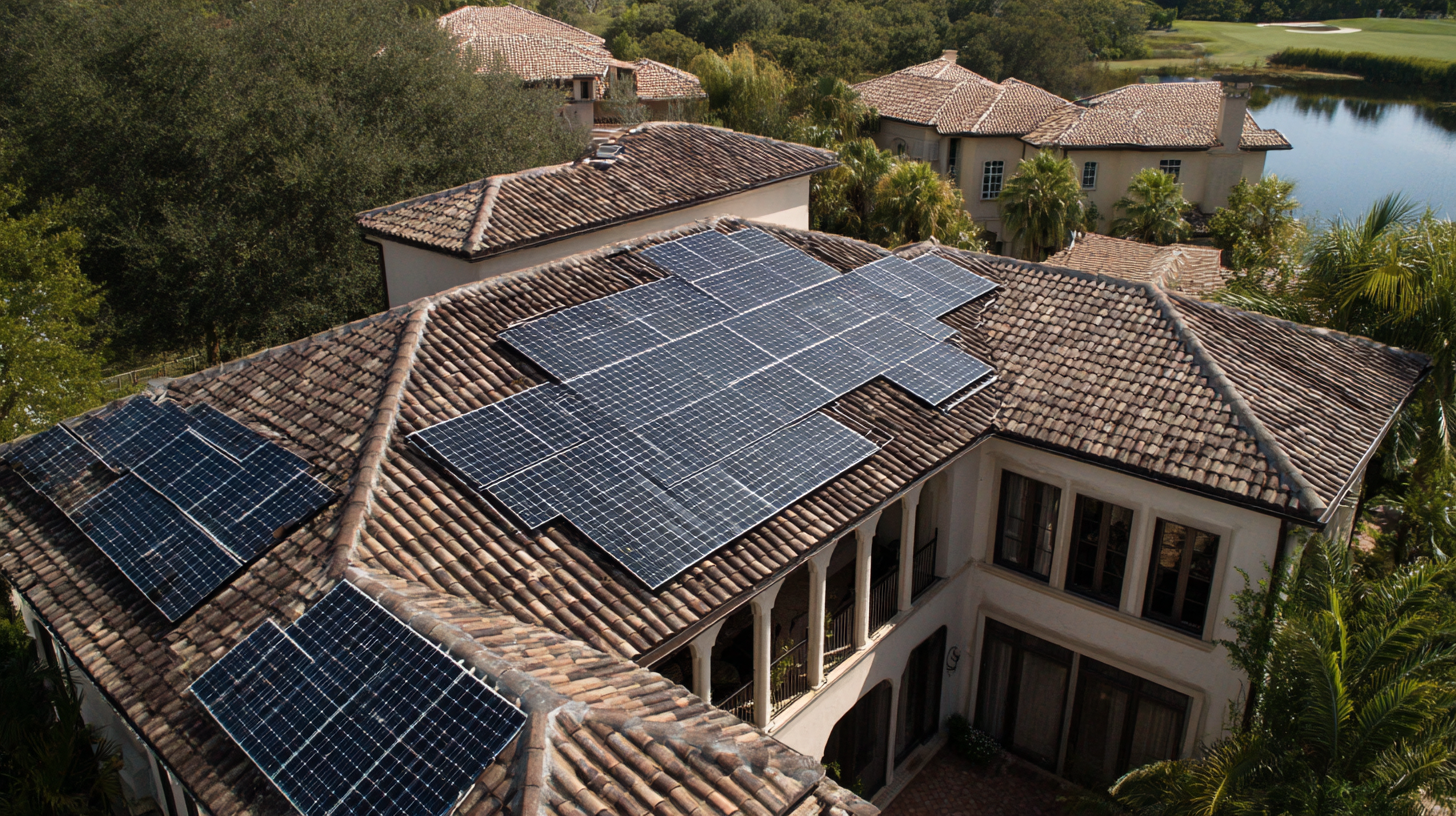
Choosing the right solar power systems for your home is an essential step towards sustainable living and energy independence. With the increasing availability of various solar technologies and configurations, it can be overwhelming to navigate the options. Factors such as energy needs, roof structure, local climate, and budget play crucial roles in determining the most suitable system for your household. This guide aims to simplify the decision-making process by providing key insights into the different types of solar power systems available, their benefits, and considerations for installation. By understanding what each system offers and how it aligns with your specific requirements, you can make an informed choice that maximizes efficiency and savings while contributing to a greener future.
Understanding Your Energy Needs and Consumption Patterns
Understanding your energy needs and consumption patterns is crucial when selecting the right solar power system for your home. Start by reviewing your electricity bills over the past year to identify trends in your energy usage. Take note of peak consumption times, seasonal variations, and any appliances that significantly contribute to your overall energy demand. This data gives you a clearer picture of how much energy you need, helping to determine the size and capacity of the solar system that would be most efficient for your household.
Once you have assessed your energy consumption, consider your household's future needs. If you plan to add more appliances, install an electric vehicle charger, or expand your living space, factor these potential changes into your calculations. Additionally, explore the efficiency ratings of different solar panels and inverters, as these will affect how effectively your system meets your energy needs. By combining your current consumption patterns with future considerations, you can make a more informed decision on a solar power system that not only matches your existing requirements but also accommodates any growth in your energy demands.
Evaluating Different Types of Solar Power Systems Available for Home Use
When evaluating different types of solar power systems available for home use, it's essential to consider your
energy needs and
budget. The two main types of solar systems are
grid-tied and off-grid systems.
Grid-tied systems are connected to the local electricity grid, allowing homeowners to use solar energy
during the day and draw from the grid at night, which can significantly reduce electricity bills.
These systems also typically require less upfront investment and benefit from net metering policies
that credit excess energy sent back to the grid.
On the other hand, off-grid solar systems operate independently of the utility grid.
They are ideal for homes in remote areas or those seeking
energy independence. However, these systems usually come with
higher initial costs and require battery storage to ensure continuous power supply, especially during cloudy days or at night.
Homeowners should carefully assess their location, energy consumption patterns, and financial readiness before deciding
on the type of solar power system that best fits their needs.
Selecting the Right Size and Capacity for Your Solar Power System
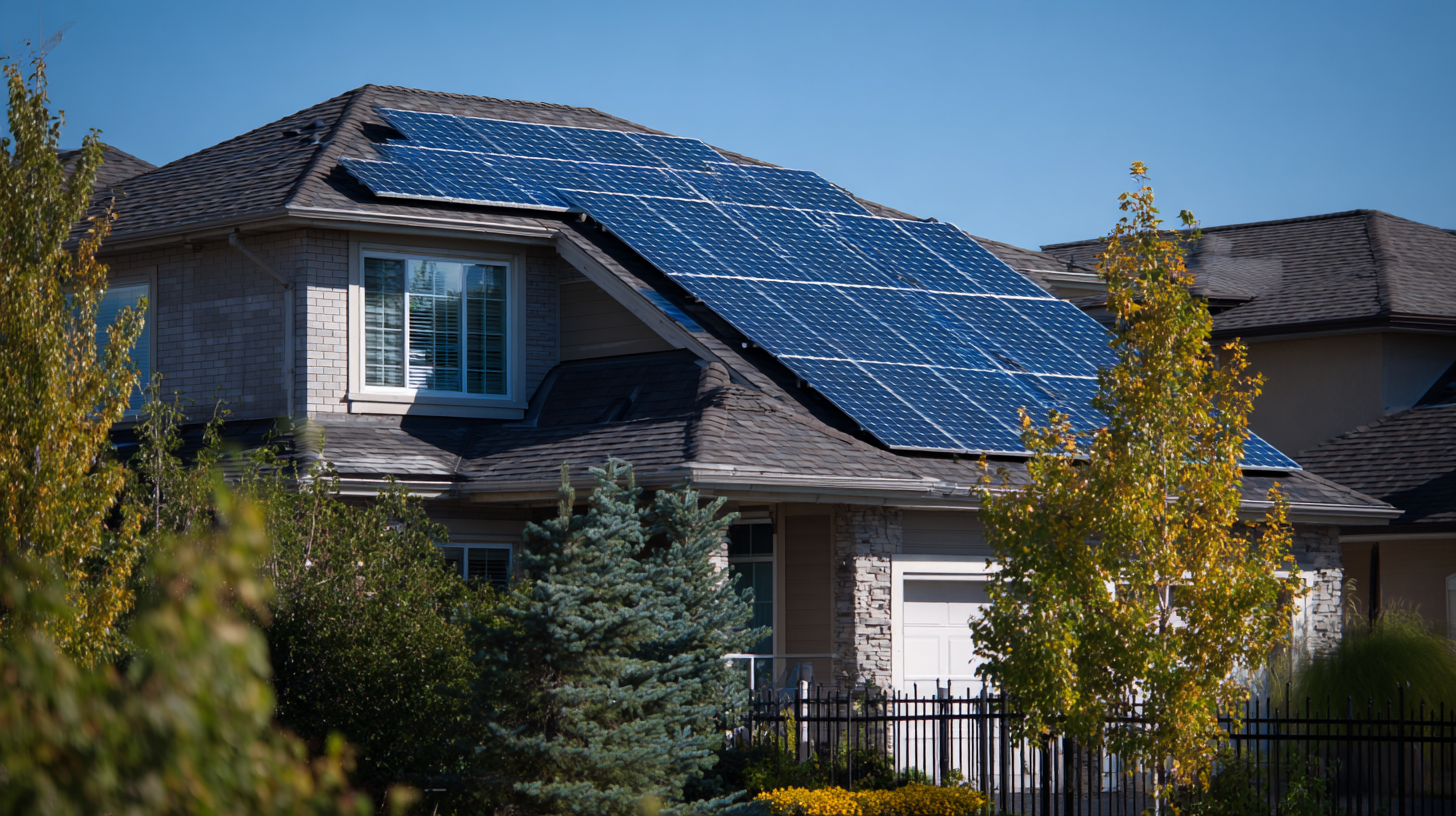
When selecting the right size and capacity for your solar power system, it's essential to consider your home's energy consumption patterns. According to the U.S. Energy Information Administration (EIA), the average American home consumes about 877 kWh per month. To determine the optimal solar system capacity, you can start by calculating your monthly energy usage. A general rule of thumb is that each kilowatt (kW) of solar panels installed will produce around 1,300 to 1,500 kWh annually, depending on your geographical location and roof orientation. This means for a home using 877 kWh per month, a solar power system around 6 kW to 7 kW would be appropriate.
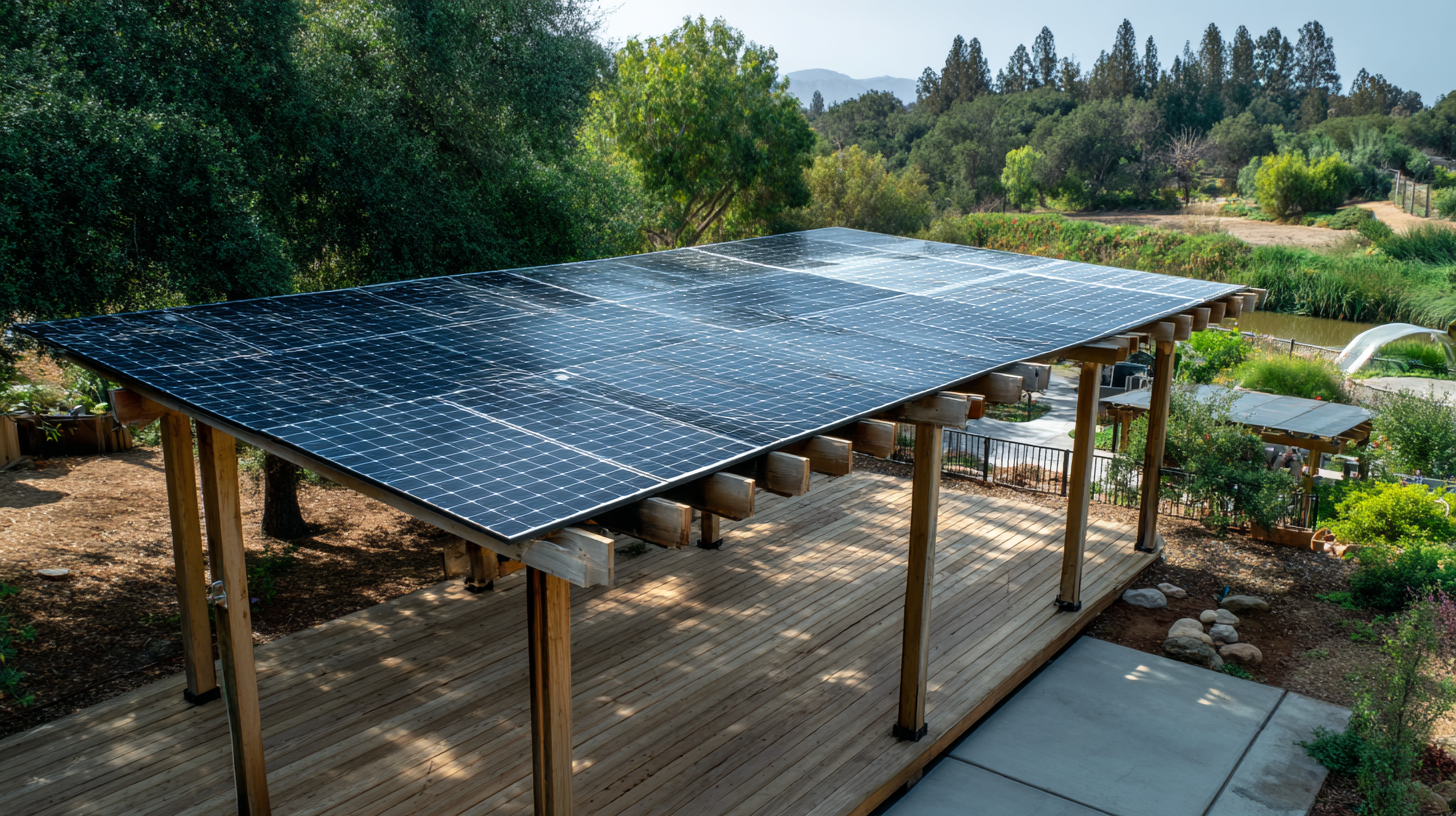
Additionally, you'll want to account for potential future energy needs, such as purchasing electric vehicles or adding home appliances. A study from the National Renewable Energy Laboratory (NREL) indicates that increasing energy demands might require households to install larger systems than initially calculated. Furthermore, it's vital to assess local solar incentives, which can impact the cost-effectiveness of increasing your system's capacity. Engaging with a certified solar installer can provide tailored recommendations, ensuring your solar power system meets both your current and future energy requirements.
Assessing Installation Options: DIY vs Professional Services
When deciding on a solar power system for your home, one of the most critical considerations is the installation method. You can choose between a DIY approach or hiring professional services, each having its distinct advantages and drawbacks. DIY installations could save you a significant amount of money, as you avoid labor costs. However, this route requires substantial knowledge of electrical systems, local building codes, and safety protocols. If you're handy and willing to invest time in research and learning, a DIY setup may be a rewarding project.
On the other hand, opting for professional installation can provide peace of mind and assurance of quality. Experts are familiar with the intricacies of solar technology and the specific requirements for your region. They can conduct a thorough assessment of your home’s energy needs and ensure compliance with regulations, which can expedite the permitting process. Although this option may come at a higher cost, the long-term efficiency and performance guarantees offered by professionals often justify the initial investment. Balancing your budget, skills, and comfort level with technology will ultimately guide your decision.
Solar Power System Installation Options
Considering Budget, Incentives, and Long-Term Savings with Solar Power
When selecting the right solar power system for your home, it's essential to consider your budget as the first step. The initial investment can vary significantly depending on system size, brand, and installation costs. Identify how much you can allocate upfront, and explore financing options or low-interest loans that can make solar energy more accessible. Remember to evaluate your long-term financial goals; the right choice should align with your budget now and in the future.
Incentives also play a crucial role in reducing the overall cost of solar energy systems. Research local, state, and federal incentives, such as tax credits, rebates, and grants, which can substantially decrease your out-of-pocket expense. Understanding these financial aids can help you maximize your savings. Over the long term, solar power can lead to significant savings on energy bills, especially in regions with high electricity costs. By calculating potential savings against your initial investment and available incentives, you can make a more informed decision that will benefit both your wallet and the environment in the years to come.
How to Choose the Right Solar Power Systems for Your Home
| System Type |
Cost ($) |
Incentives |
Estimated Savings Over 20 Years ($) |
Return on Investment (%) |
| Grid-Tied System |
15,000 |
Tax Credit: 26% |
30,000 |
100% |
| Off-Grid System |
25,000 |
Tax Credit: 26% |
50,000 |
100% |
| Hybrid System |
20,000 |
Tax Credit: 26% |
40,000 |
100% |
| Community Solar |
10,000 |
Variable Incentives |
20,000 |
100% |
| Solar Water Heating |
8,000 |
Tax Credit: 26% |
15,000 |
87.5% |