How to Choose the Right Single Flat Sheet for Your Bed?
Choosing the right single flat sheet for your bed is crucial for a good night's sleep. The market for bed linens is expanding significantly, with a recent report indicating that the global bed linen market is projected to reach $78 billion by 2027. Surprisingly, many consumers overlook the importance of selecting the right materials and styles. Industry expert Jane Smith states, "The right single flat sheet can enhance both comfort and style in the bedroom."
When you're shopping, consider factors like fabric type, thread count, and care instructions. Cotton remains a preferred choice for many, favored for its breathability and durability. However, blended fabrics can also offer unique benefits, like wrinkle resistance. The impact of these choices on sleep quality is substantial. One survey showed that 75% of individuals believe bedding quality significantly affects their rest.
It’s easy to become overwhelmed with options and forget about your specific needs. Remember, every detail counts, and sometimes, the simplest choices yield the most satisfaction. The right single flat sheet is more than just a basic necessity; it’s an essential part of creating your personal sleep sanctuary.
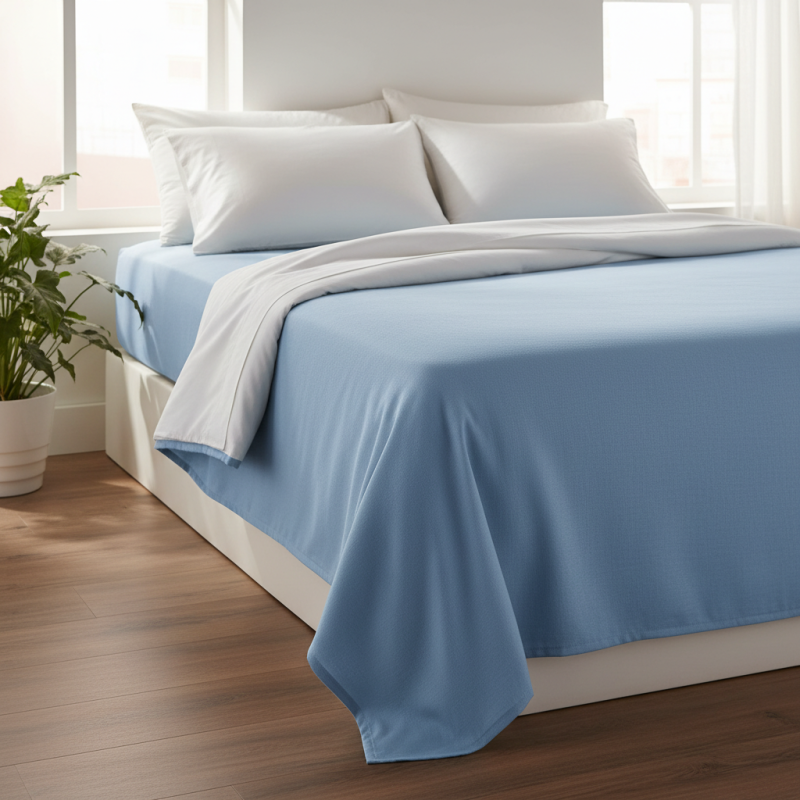
Factors to Consider When Selecting Single Flat Sheets for Your Bed
Choosing the right single flat sheet requires careful consideration. Fabric choice is crucial. Cotton sheets are popular for their breathability. Polyester blends offer durability but may lack comfort. A report from the Textile Industry Association states that 70% of consumers prefer natural fibers for sleeping.
Thread count also matters. Higher thread counts often indicate softer sheets, but they are not always necessary. Studies show a thread count of 200-400 provides a balance of comfort and durability. Be cautious. Some manufacturers inflate thread counts by counting multi-ply threads. Understanding this can save you from disappointment.
Size is essential for the right fit. Single flat sheets typically measure around 90 by 108 inches. However, variations might exist. Always measure your mattress to ensure compatibility. Colors and patterns add personality to your bed but may fade over time. According to bedding experts, vibrant colors may lose their brightness after multiple washes. Choose wisely, and think about maintenance when making your selection.
Understanding Fabric Types: Cotton, Polyester, and Their Blends
When choosing a flat sheet for your bed, fabric type is crucial. Cotton often stands out as a preferred option. It’s breathable, soft, and durable. According to the Global Textile Market Insights report, cotton holds a market share of about 40% due to its comfort. However, it can wrinkle easily. The upkeep might be more than some prefer.
In contrast, polyester offers different benefits. It’s less expensive and resists wrinkles. The Polyester Market Data reports that this fabric has grown by 5% annually. Yet, it lacks the breathability of cotton. This can make you feel warmer at night. Blends of cotton and polyester are a popular compromise. They provide durability and comfort in one sheet.
You might encounter challenges when selecting. A heavier blend feels cozy but might trap heat. A lighter one can feel less substantial. Consider your climate and sleeping habits carefully. The right material may not always be the easiest choice. Each option has its pros and cons, demanding thoughtful reflection.
Fabric Types Comparison for Bed Sheets
Evaluating Thread Count: What It Means for Sheet Quality and Comfort
When selecting a flat sheet for your bed, thread count often stands out. Many people believe that a higher thread count equals better quality. This idea can be misleading. A sheet with 400 threads may feel softer than one with 800. It’s essential to understand that quality can vary.
Thread count refers to the number of vertical and horizontal threads in fabric. A count of 200 to 400 is common for comfortable sheets. However, the fabric type also matters. Cotton is popular, but blends can offer unique benefits. Sometimes, a lower thread count cotton sheet feels better than a higher count polyester one.
Consider your own preferences. Do you prefer crisp and cool sheets or soft and cozy ones? Feel the sheets before you buy. Look for imperfections, like rough patches or loose threads. These flaws can affect your comfort. Remember, it’s all about finding what works best for your sleep needs, not just chasing numbers.
How to Choose the Right Single Flat Sheet for Your Bed? - Evaluating Thread Count: What It Means for Sheet Quality and Comfort
| Thread Count | Material | Breathability | Durability | Comfort Level |
| 200 | Cotton | Good | Standard | Soft |
| 400 | Percale Cotton | Excellent | Durable | Crisp |
| 600 | Sateen Cotton | Good | Very Durable | Luxurious |
| 800 | Bamboo | Excellent | Very Durable | Silky |
| 1200 | Egyptian Cotton | Excellent | Exceptional | Supremely Soft |
Choosing the Right Size: Ensuring a Perfect Fit for Your Mattress
Choosing the right size for a flat sheet is crucial. The dimensions of your mattress are the first step in ensuring a perfect fit. Measure the length, width, and depth of your mattress. Many people overlook depth. A standard flat sheet may not accommodate thicker mattresses properly. This can lead to bunching or an unkempt appearance.
A common mistake is assuming all bed sizes are uniform. Twin, queen, and king sizes can vary slightly by brand. Always refer to specific measurements. Additionally, a flat sheet that is too small can pull off during the night. This can cause discomfort and disrupt sleep. Aim for a sheet that drapes nicely over the sides.
Consider fabric choice too. Some fabrics may shrink after washing, altering the fit. Careful selection will help maintain a snug, comfortable layer. Remember, a well-fitted sheet can enhance your bedding experience. However, if it doesn’t, reflect on your measurements and choices. It’s okay to make adjustments. Sleep is important, after all.
Care Instructions: Maintaining the Quality and Longevity of Your Sheets
Maintaining the quality and longevity of your bed sheets is essential for both comfort and hygiene. A recent industry report indicates that well-cared-for bed linens can last up to seven years. This means that proper care significantly extends their lifespan. Washing sheets correctly helps prevent wear and tear.
Tips:
- Wash sheets in cold water. Hot water can degrade fibers.
- Use mild detergents to avoid harsh chemicals.
- Dry them at a low temperature to reduce shrinkage.
- Avoid using bleach; it can weaken fabrics over time.
Storing sheets properly also matters. Fold them neatly and keep them in a cool, dry place. Exposure to moisture can lead to mold growth. Inadequate care might result in discoloration and unpleasant odors. Regular checks every few months can help spot trouble early.
Tips:
- Rotate your sheets regularly. This prevents uneven wear and tear.
- Inspect for any signs of damage, like fraying or thinning areas.
- Address issues immediately to prolong their life.