Top Electric Forklift Battery Solutions for Global Buyers?
As the demand for efficient and sustainable materials handling solutions grows, the importance of the Electric Forklift Battery industry cannot be overlooked. According to a report by MarketsandMarkets, the global electric forklift market is projected to reach $18 billion by 2027, showcasing the shift towards electric solutions. Industry expert Dr. Lisa Chang emphasizes, "The battery technology used in electric forklifts significantly affects operational efficiency and cost."
The advancements in Electric Forklift Battery technologies, such as lithium-ion and lead-acid batteries, are redefining fleet operations. Lithium-ion batteries, for example, offer faster charging times and longer lifespans compared to traditional options. These features can enhance productivity and reduce downtime. However, this transition is not without challenges. Many global buyers still grapple with the initial costs and charging infrastructure requirements.
Choosing the right Electric Forklift Battery solution is crucial. Buyers need to assess their specific usage patterns and operational needs. Each battery type has its pros and cons. Understanding these nuances is essential for making informed decisions. The landscape is rapidly evolving, and staying updated will help businesses navigate this complex market effectively.
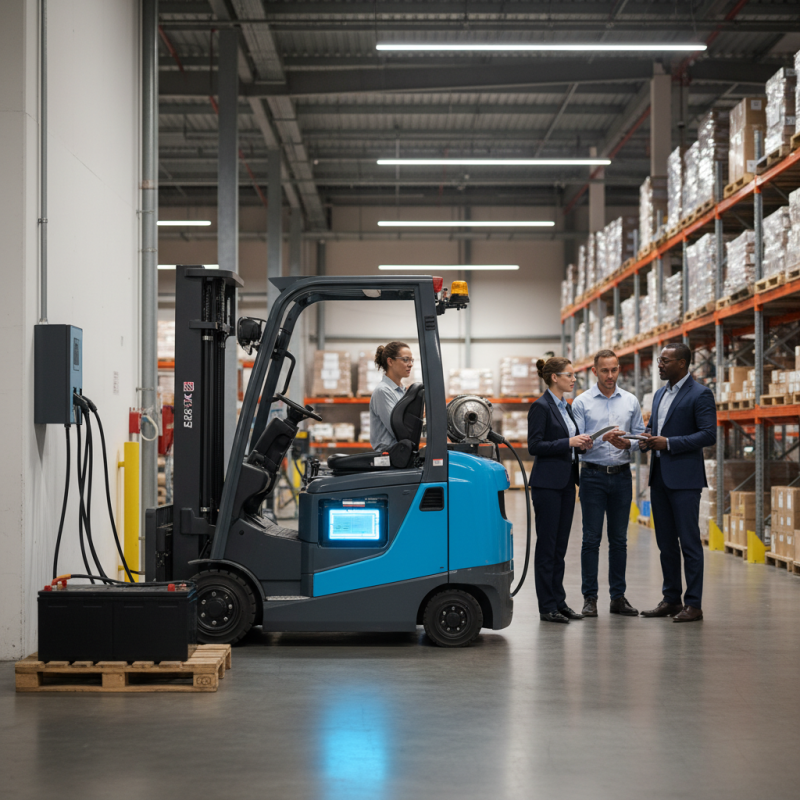
Top Electric Forklift Battery Solutions for Global Buyers
Electric forklifts are gaining popularity in industries worldwide. Their efficiency and eco-friendliness make them attractive options. Understanding battery solutions is critical for users seeking optimal performance.
Different battery types have distinct advantages. Lithium-ion batteries are lightweight and charge quickly. They offer longer lifespans compared to traditional lead-acid options. However, their higher upfront cost can deter some buyers. Lead-acid batteries have been around longer, providing reliability at a lower price. Yet, they require regular maintenance and have shorter lifespans.
Choosing the right battery involves balancing various factors. Consider charging frequency and operational hours. Battery weight can affect forklift performance. It's also essential to reflect on the total cost of ownership. A cheaper battery may not always be the best choice in the long run. Each user must evaluate their unique needs and make informed decisions.
Top Electric Forklift Battery Solutions for Global Buyers
Understanding Different Types of Electric Forklift Batteries Available Today
When considering electric forklift batteries, it’s crucial to understand the types available today. Lead-acid batteries are the most common choice. They are affordable and reliable. However, they require regular maintenance. This includes checking water levels and ensuring proper charging cycles. Not managing these tasks can lead to premature battery failure.
Lithium-ion batteries are gaining popularity in various industries. They offer a longer life cycle and faster charging times. Users appreciate their compact size and lighter weight. Yet, they come at a higher initial cost. Some buyers are hesitant due to the upfront investment, despite long-term savings.
Nickel-metal hydride batteries are another option. They provide good energy density but are less common. Their performance can be inconsistent in extreme temperatures. Buyers should weigh all factors carefully, including environmental concerns. Each battery type has strengths and weaknesses. Choosing the right one requires thorough research and attention to specific operational needs.
Top Electric Forklift Battery Solutions for Global Buyers
| Battery Type | Voltage | Capacity (Ah) | Cycle Life | Charging Time | Applications |
| Lead Acid | 24V | 200-600 | 500-1500 | 8-10 hours | General warehouse use |
| Lithium-ion | 24V, 36V, 48V | 100-1000 | 2000-5000 | 1-2 hours | High-intensity usage |
| Nickel Cadmium | 24V | 200-800 | 1500-2000 | 6-8 hours | Cold environments |
| Gel Batteries | 24V, 48V | 100-500 | 800-1200 | 8-10 hours | Indoor applications |
| AGM Batteries | 12V, 24V | 100-400 | 1000-1500 | 4-6 hours | Light to moderate use |
Market Trends in Electric Forklift Battery Usage and Adoption Rates
The trend of electric forklift battery usage is rapidly evolving. Reports indicate that the global electric forklift market is expected to grow by 20% annually through 2025. Increasing demand for sustainable practices drives this adoption. Companies are favoring battery types like lithium-ion for their efficiency and reduced maintenance needs.
Emerging data highlights that operational costs are a major consideration. Lithium-ion batteries can lower total ownership costs by 30% compared to traditional lead-acid batteries. Despite the advantages, challenges remain in initial investment. Many buyers hesitate due to higher upfront costs, which can deter adoption rates.
Tips: Consider total cost over time. Evaluating lifecycle costs can reveal potential long-term savings. Research various battery solutions thoroughly. Understanding your operational needs helps choose the right battery type. Transitioning to electric does create upfront hurdles, but ultimately, the benefits can outweigh the challenges.
Comparative Performance Metrics of Lithium-ion vs. Lead-acid Batteries
When choosing between lithium-ion and lead-acid batteries for electric forklifts, performance is key. Lithium-ion batteries deliver higher energy density, resulting in longer run times. They also charge faster than lead-acid options, which is crucial for busy operations. However, their initial cost can be a concern for some buyers.
Lead-acid batteries, on the other hand, are more affordable upfront. They have a proven track record and are widely available. Yet, they require more maintenance and have a shorter life cycle. This brings additional costs over time. Users must weigh these factors carefully. Additionally, while lead-acid batteries are recyclable, lithium-ion recycling is still developing, posing future sustainability questions.
Performance metrics show that lithium-ion batteries are often more efficient in high-demand applications. They can operate in extreme temperatures and are less affected by frequent charging. Lead-acid batteries tend to lose capacity more quickly under heavy use. Ultimately, the choice depends on operational needs and budgetary constraints. Balancing initial investment with long-term benefits is vital for the decision-making process.
Cost Analysis: Upfront and Lifecycle Expenses of Forklift Battery Options
When selecting electric forklift batteries, understanding the cost dynamics is crucial. Buyers must consider both upfront and lifecycle expenses. The initial investment can vary widely. For example, lithium-ion batteries may require a higher upfront cost but tend to be more efficient in the long run. This efficiency translates into lower operational expenses.
Lifecycle costs encompass maintenance, replacement, and energy consumption. Lead-acid batteries often require regular maintenance, influencing overall costs significantly. In contrast, advanced solutions, like lithium-ion, reduce maintenance needs. However, these options might lead to a steep learning curve for operators unfamiliar with new technologies.
Evaluating the total cost of ownership is complex. Buyers should perform in-depth analyses tailored to their specific operational needs. While investing in a cheaper battery may seem appealing, hidden costs can arise. Over time, choosing a more reliable battery solution could yield better returns. Understanding these dynamics is essential for making informed decisions.