How to Harness Solar Electricity for Your Home Efficiently?
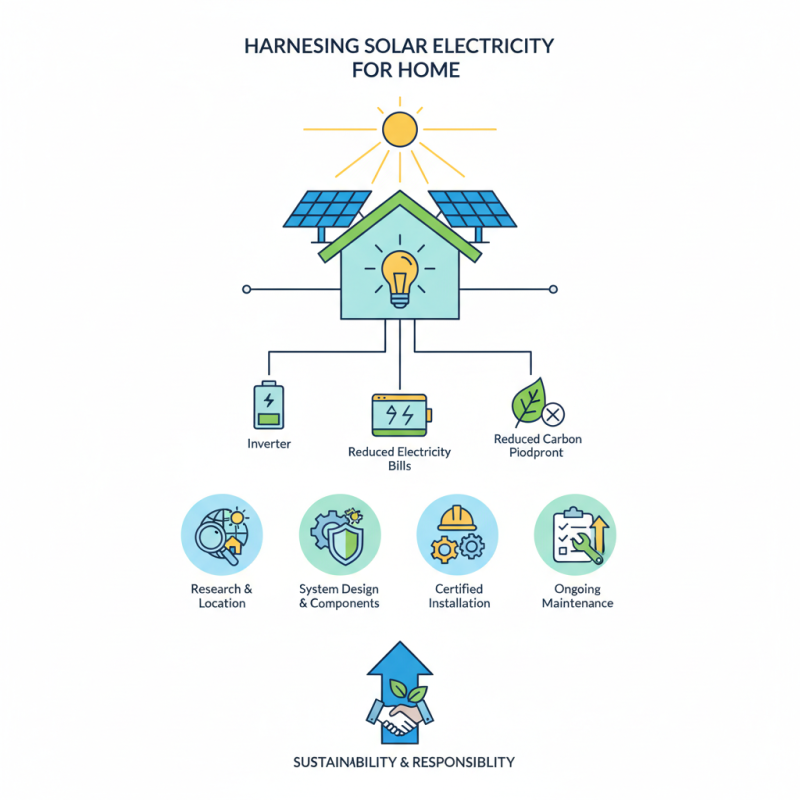
Harnessing solar electricity for your home can seem daunting. However, with the right approach, it is accessible and beneficial. Solar energy offers a renewable and sustainable power source. It reduces electricity bills and carbon footprints. Many homeowners see it as a long-term investment.
To begin with, understanding solar electricity is essential. Each system differs. Efficiency depends on factors like location, sunlight exposure, and system design. Researching and selecting components that suit your needs is vital. Popular options include solar panels, batteries, and inverters. It's important to consult experts who can guide you through your choices.
Moreover, installation quality affects solar electricity generation. Proper setup maximizes energy capture. Look for certified installers with experience. Trustworthy reviews can help identify reliable professionals. Remember, ongoing maintenance is crucial for performance. Regular checks keep systems running efficiently. Embracing solar electricity is not merely a choice; it reflects values of sustainability and responsibility.
Understanding Solar Electricity and Its Benefits for Homeowners
Solar electricity presents numerous benefits for homeowners. Many choose this renewable energy source due to its potential for cost savings. By harnessing sunlight, homeowners can significantly reduce their energy bills over time. Moreover, it contributes to a lower carbon footprint, promoting environmental sustainability.
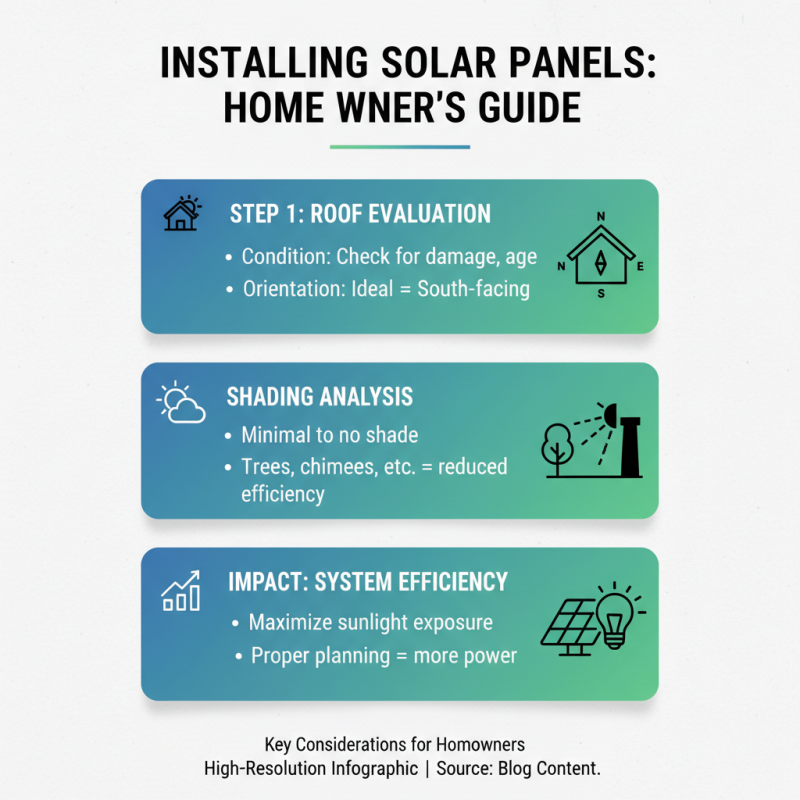
Understanding solar electricity is critical. It involves photovoltaic systems converting sunlight into usable energy. Installing solar panels can seem daunting. There are technical considerations, such as roof orientation and shading, that require careful assessment. Proper installations can maximize efficiency and energy output.
Even with the right setup, challenges remain. Not every home is ideal for solar energy. Factors like local weather and available sunlight exposure can limit effectiveness. It's essential to weigh these aspects before investing. Reflecting on these points can lead to better decision-making for homeowners interested in solar solutions.
Evaluating Your Home's Solar Potential and Energy Needs
When evaluating your home's solar potential and energy needs, several factors play a crucial role. Start with your location. Regions with high solar insolation, like the Southwest U.S., receive more sunlight. According to the National Renewable Energy Laboratory, these areas can produce 20-30% more electricity from solar panels. Assess the orientation and angle of your roof, as these significantly influence energy generation.
Understanding your energy consumption is key. The average American household uses about 877 kWh per month. Consider how much electricity you currently use. Analyze your utility bills to identify patterns. This data helps determine the size of the solar system you need.
Tips for assessment:
- Use solar calculators available online to estimate potential savings.
- Inspect your roof for shading or debris that could obstruct sunlight.
- Consult with professionals for a site assessment to eliminate guesswork.
Solar potential also hinges on possible incentives. Federal tax credits can trim costs significantly. Your local utility might offer rebates, too. However, be aware that solar battery storage systems can be costly and may not always be necessary. Reflect on these elements to ensure your investment aligns with your energy goals.
Solar Electricity Production vs. Energy Consumption in a Typical Home
This chart compares the solar electricity production of a typical home throughout the year against its energy consumption. Understanding this balance is crucial for evaluating the effectiveness of solar energy systems and managing energy needs efficiently.
Types of Solar Panels and Their Efficiency Ratings
When considering solar panels for your home, it's crucial to understand their types and efficiency ratings. The three main types are monocrystalline, polycrystalline, and thin-film panels. Each has unique characteristics affecting performance and installation. Monocrystalline panels are known for high efficiency and longevity. They typically occupy less space, making them ideal for smaller rooftops.
Polycrystalline panels are a cost-effective alternative. While they tend to have lower efficiency rates, they still provide good performance for larger spaces. Thin-film panels are lightweight and flexible. Their efficiency is lower than the other two types, but they can work well in specific conditions, like on rooftops of unique shapes.
When choosing panels, consider your roof size and budget. Remember, higher efficiency panels often come with a premium price. It's wise to assess your energy needs carefully. Efficiency ratings can vary significantly. Speaking to a local solar expert may help you make an informed decision. An informed choice ensures a reliable and sustainable energy solution. Keep in mind, the performance of solar panels diminishes over time. Regular maintenance and monitoring are essential for optimal performance.
Maintaining Your Solar Power System for Optimal Performance
Maintaining a solar power system is crucial to ensure optimal performance and longevity. Regular maintenance tasks significantly impact the efficiency of solar panels. According to the U.S. Department of Energy, a well-maintained solar power system can increase efficiency by up to 20%. Simple actions like cleaning panels can remove dirt and debris that block sunlight.
In addition, monitoring the system’s performance can help catch potential issues early. Experts recommend checking your solar inverter at least once a month. This device converts solar energy into usable electricity. Alarms or error messages can indicate performance problems. Ignoring these signs could lead to reduced energy output.
Moreover, professional inspections should occur every few years. These assessments can reveal hidden issues such as inverter wear or module damage. Industry data suggest that many homeowners underestimate these professional check-ups. They can save money in the long run by avoiding costly repairs. While some maintenance tasks seem straightforward, relying solely on DIY efforts may lead to oversights. Balancing self-maintenance and professional help enhances system reliability.
How to Harness Solar Electricity for Your Home Efficiently?
| Maintenance Task |
Frequency |
Importance Level |
Estimated Time |
| Clean Solar Panels |
Monthly |
High |
1 hour |
| Inspect Wiring and Connections |
Quarterly |
Medium |
30 minutes |
| Check Inverter Performance |
Monthly |
High |
15 minutes |
| Trim Surrounding Vegetation |
Annually |
Medium |
2 hours |
| Monitor Energy Output |
Weekly |
High |
10 minutes |