How to Harness Power from Solar Energy Efficiently in 2025
In the quest for sustainable energy solutions, solar power stands out as a leading contender, particularly as we progress towards 2025. Harnessing power solar efficiently not only contributes to a greener planet but also plays a crucial role in reducing energy costs for consumers and businesses alike. Experts in the field emphasize the importance of innovation and technology in optimizing solar energy utilization. Dr. Emily Carter, a renowned authority on renewable energy systems, stated, "To truly harness the potential of power solar, we must embrace advancements in photovoltaic technologies and energy storage solutions."
As the global demand for clean energy continues to grow, understanding how to maximize the efficiency of solar power becomes paramount. From improved solar panel designs to smart integration into existing electrical grids, the advancements being made are crucial for enabling a more sustainable future. The next few years present a significant opportunity for progress and development in the power solar industry, providing both environmental benefits and economic incentives. Through concerted efforts in research and application, we can unlock the full potential of solar energy and create a robust framework for its effective utilization.
In conclusion, the journey towards efficient solar energy harnessing is not just about technology; it also involves adopting policies that support innovation and encourage investment. By focusing on collective action and knowledge sharing, we can ensure that the power solar sector thrives in the years to come, paving the way for a cleaner, brighter future.

Understanding Solar Energy: Basics and Benefits of Solar Power
Solar energy has emerged as a critical player in the global shift towards sustainable energy solutions, showcasing its vast potential to power our world efficiently. Understanding the basics of solar energy helps elucidate its numerous benefits. According to the International Energy Agency (IEA), solar power is expected to become the largest source of electricity by 2025, surpassing fossil fuels. This shift can largely be attributed to significant advancements in solar technology and decreasing installation costs, with solar photovoltaic (PV) systems seeing a reduction in price by 89% since 2010, as reported by the International Renewable Energy Agency (IRENA).
Furthermore, the environmental benefits of harnessing solar energy cannot be overstated. By utilizing solar power, we can drastically reduce greenhouse gas emissions; the IEA estimates that a massive scale-up in solar energy adoption could prevent up to 5.5 gigatons of carbon dioxide emissions annually by 2030. Additionally, solar energy contributes to energy independence, enabling countries to reduce reliance on imported fossil fuels. With over 1.5 million jobs in solar energy already created in the U.S., the sector's growth also offers a considerable economic boost, underscoring the multi-faceted advantages of transitioning to solar power.
Solar Energy Capacity and Growth Trends (2025)
This bar chart illustrates the installed solar energy capacity by sector as of 2025. It highlights the growth across residential, commercial, and utility-scale segments, showcasing the total capacity which has reached approximately 280 GW. This underlines the increasing adoption of solar energy as a critical component in sustainable energy solutions.
Current Technologies for Solar Energy Harvesting in 2025
As we approach 2025, advancements in solar energy harvesting technologies are paving the way for more efficient and sustainable energy solutions. One significant innovation is the development of high-efficiency photovoltaic (PV) cells that exceed the traditional silicon-based models. These new cells utilize materials such as perovskites, which promise higher energy conversion rates and lower production costs. With ongoing research and improvements in stability, these next-generation PV cells are expected to play a vital role in residential and commercial solar installations, enabling users to harness more power from sunlight than ever before.
In addition to advancements in PV technology, solar tracking systems have also seen remarkable enhancements. Modern solar trackers, which adjust the angle of solar panels throughout the day to follow the sun, significantly increase energy capture. By integrating artificial intelligence and machine learning, these systems can optimize positioning based on weather forecasts and sunlight patterns, ultimately contributing to higher overall efficiency. Furthermore, innovative energy storage solutions, such as advanced battery systems, ensure that excess solar energy harvested during peak sunlight hours can be stored and utilized when needed, making solar power more reliable and effective for daily use.
Innovative Methods for Maximizing Solar Efficiency
Innovative methods for maximizing solar efficiency involve leveraging advanced technology and creative design strategies to enhance energy capture and utilization. One such approach is the integration of bifacial solar panels, which can absorb sunlight from both sides, increasing energy generation by utilizing reflected light from surrounding surfaces. This design not only boosts overall efficiency but also allows for greater flexibility in placement, making it possible to install panels in a variety of environments without sacrificing performance.
Another promising technique is the incorporation of smart tracking systems, which adjust the angle of solar panels throughout the day to follow the sun’s path. By optimizing the orientation, these systems can significantly improve the amount of sunlight captured, leading to up to a 25% increase in energy output compared to stationary panels. Furthermore, advancements in energy storage solutions, such as high-capacity batteries, enable households and businesses to store excess energy generated during peak sunlight hours for use during periods of low production, thus maximizing solar energy's utility.
Finally, combining solar power systems with energy-efficient technologies, like smart home devices, can lead to a more integrated approach to energy management. These devices can monitor energy usage in real-time, allowing users to optimize their consumption patterns based on solar energy availability. This holistic strategy not only enhances the efficiency of solar energy harnessing but also contributes to a more sustainable energy future.
Integration of Smart Grids and Solar Energy Systems
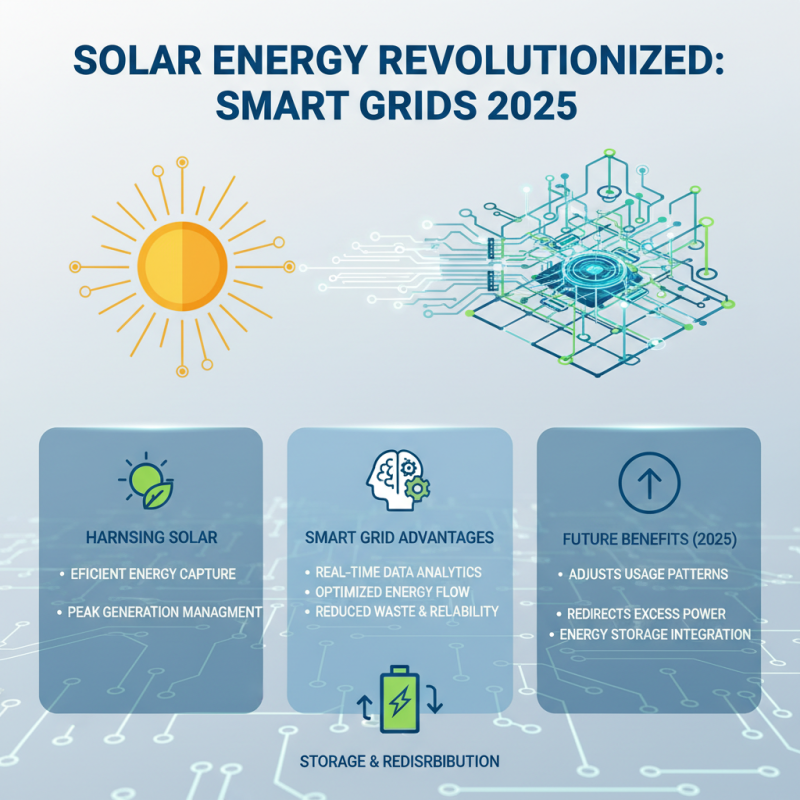
The integration of smart grids and solar energy systems is poised to revolutionize the way we harness solar energy efficiently by 2025. Smart grids utilize advanced technologies to manage electricity supply and demand, enabling better distribution of solar power. By incorporating real-time data analytics, these grids can optimize energy flow, reducing waste and enhancing reliability. This means that when solar energy generation peaks during sunny weather, the smart grid can adjust usage patterns across connected devices, ensuring that excess energy is stored or redirected where it’s most needed.
Moreover, the synergy between smart grids and solar systems promotes energy independence and sustainability. With features like decentralized energy production and innovative storage solutions, consumers can generate, store, and manage their own energy more effectively. As households and businesses adopt solar technologies, smart grids facilitate seamless integration, allowing for dynamic pricing and incentivizing energy use when solar production is high. This not only minimizes reliance on fossil fuels but also empowers users to take charge of their energy consumption, fostering a more sustainable and environmentally-friendly future.
Future Trends in Solar Energy Storage and Utilization
As we look toward 2025, the solar energy sector is poised to undergo significant advancements in both storage and utilization technologies. The Global Energy Agency (GEA) projects that global solar energy capacity will exceed 3,000 GW by this year, driven by growing demand for clean energy solutions. Among the key trends shaping the future of solar energy is the integration of advanced battery storage systems, which are expected to reduce reliance on traditional fossil fuels and enhance reliability in energy supply. A 2022 report by the International Renewable Energy Agency (IRENA) highlights that the cost of lithium-ion batteries is anticipated to decline by nearly 50% over the next few years, improving the economics of energy storage systems in photovoltaic installations.
Additionally, innovative utilization strategies such as solar microgrids and smart energy management systems are emerging as essential components in the effective deployment of solar energy solutions. According to a recent study from the World Bank, solar microgrids can provide electrification to over 100 million rural populations by 2025, making solar energy not only a viable option for urban centers but also a transformative force in remote areas. Furthermore, the shift toward more efficient solar panels, with conversion efficiencies projected to increase beyond 25%, will enable users to maximize energy production from smaller physical areas, thus optimizing land use and boosting overall output. This evolution toward smarter, more efficient technologies promises to redefine the landscape of solar energy storage and utilization in the years to come.
| Year |
Technology |
Efficiency (%) |
Cost ($/kWh) |
Energy Storage Capacity (kWh) |
| 2023 |
Monocrystalline Solar Panels |
20.5 |
0.08 |
10 |
| 2024 |
Bifacial Solar Panels |
22.0 |
0.075 |
12 |
| 2025 |
Perovskite Solar Cells |
25.0 |
0.065 |
15 |
| 2026 |
Building-Integrated Photovoltaics (BIPV) |
24.0 |
0.070 |
8 |
| 2027 |
Solar Skin Technology |
23.5 |
0.068 |
14 |