
How to Calculate International Freight Costs?
International Freight costs can look deceptively simple: one rate, one route, one shipment. The invoice often tells a different story. A container leaving Shanghai may include ocean freight, terminal handling, customs brokerage, documentation, fuel adjustments, and delivery to a warehouse. Air cargo has its own cost drivers, including chargeable weight and airport fees. Small details matter.
UNCTAD logistics expert Jan Hoffmann has emphasized that maritime transport is “the backbone of international trade and the global economy.” That context helps explain why freight prices shift with capacity, demand, port congestion, and fuel costs. A useful estimate starts with the shipment’s dimensions, gross weight, origin, destination, transport mode, and delivery terms. Then, each quoted charge needs checking. Is it included, or billed separately? Does the quote cover the final mile?
This guide explains how to calculate International Freight costs, compare transport options, and spot common pricing gaps before booking. It also distinguishes predictable charges from variable ones, such as peak-season surcharges or currency adjustments. There is no universal formula. Even careful teams can miss a local fee, especially when several providers handle one shipment. That is worth acknowledging. A calculation is an informed estimate, not a promise that the final invoice will match every line. Readers will learn which details to request from a freight forwarder and how to build a clearer, more realistic shipping budget.
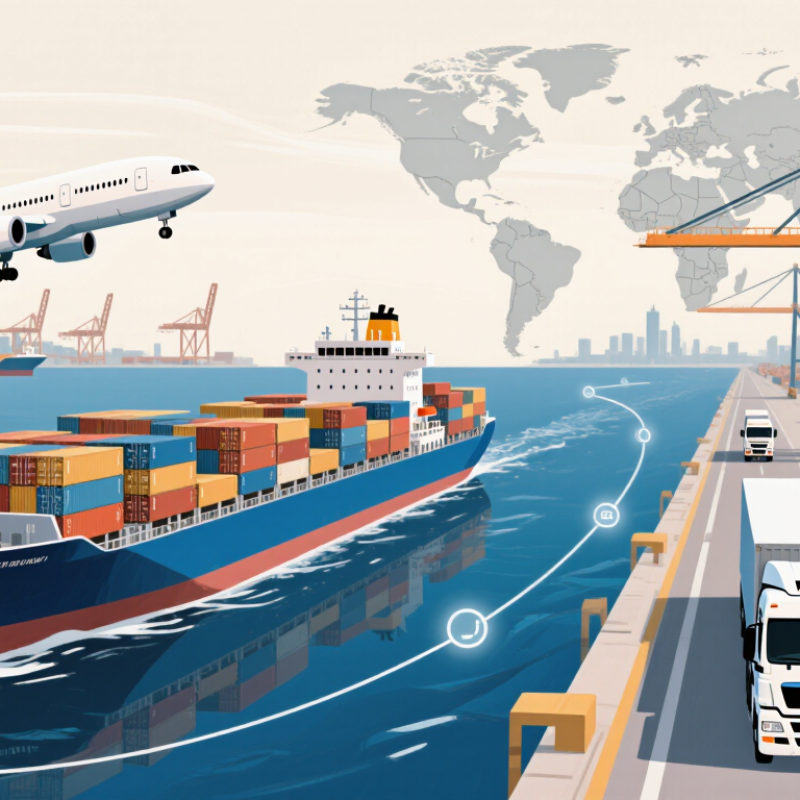
Identify the Shipment Details and Freight Requirements
Before requesting rates, record the shipment’s origin, destination, ready date, and delivery deadline. List each package’s quantity, dimensions, and gross weight, including pallets. A carton measuring 60 by 40 by 40 centimeters can be billed differently from a smaller, heavier carton. For air freight, carriers generally compare actual weight with volumetric weight; the applicable divisor varies. Small details matter.
Describe the goods clearly and state any ordinary handling needs, such as temperature control, liftgate delivery, or fragile-item care. Identify the chosen transport mode, service speed, and who pays for each leg under the agreed delivery terms. These details help providers quote comparable services, rather than a low base rate missing local pickup, terminal handling, fuel surcharges, or final delivery. UNCTAD’s Review of Maritime Transport 2024 reports that shipping carries over 80% of world trade by volume, making mode selection consequential—but that figure does not predict the cost of an individual shipment. Include cargo value and request insurance as a separate, clearly priced item. Ask which charges are estimates and which are fixed. Quotes still have gaps sometimes; verify assumptions in writing.
How to Calculate International Freight Costs? - Identify the Shipment Details and Freight Requirements
| Category | Shipment Detail | Example Information | Why It Affects Freight Cost |
|---|---|---|---|
| Shipment Profile | |||
| Origin and destination | Shanghai, China to Los Angeles, United States | Port-to-port route; final delivery is within the Los Angeles area | Route, port availability, inland distance, and local charges influence the quote. |
| Commodity | Non-hazardous household goods | Not temperature-controlled; no special handling requested | Hazardous, restricted, fragile, or temperature-sensitive cargo may require additional services and fees. |
| Package count and type | 2 wooden pallets | Stackable; standard palletized cargo | Handling requirements and loadability can affect both transport and warehouse charges. |
| Dimensions | Each pallet: 120 × 100 × 100 cm | Total volume: 2.40 m³ | Volume is commonly used to calculate less-than-container-load charges and air volumetric weight. |
| Gross weight | 400 kg total | 200 kg per pallet, including packaging | Carriers may charge by actual weight, volume, or whichever is greater under the applicable rating rules. |
| Air chargeable weight | 400 kg | At 167 kg per m³, volumetric weight is approximately 401 kg; rounded estimate uses 400 kg | Air cargo is generally rated on chargeable weight, subject to carrier rounding and dimensional rules. |
| Freight requirements | Standard service; non-stackable restrictions not required | Customs brokerage and final-mile delivery requested | Service level, customs support, and delivery scope determine which charges are included. |
| Illustrative Freight Cost Comparison (USD) | |||
| Transport Mode | Cost Component | Calculation Basis | Estimated Cost (USD) |
| Ocean LCL | Origin handling and export documentation | Estimated shipment-level charges | $120 |
| Ocean freight | 2.40 m³ × $85 per m³ | $204 | |
| Destination terminal and handling | Estimated shipment-level charges | $260 | |
| Customs brokerage | Basic entry service estimate | $125 | |
| Final-mile delivery | Local delivery estimate; standard access | $350 | |
| Estimated Ocean LCL Total | $1,059 | ||
| Estimated transit time: approximately 25–35 days, subject to sailing schedules, port congestion, and customs clearance. | — | ||
| Air Freight | Origin handling and export documentation | Estimated shipment-level charges | $140 |
| Air freight | 400 kg × $4.80 per kg | $1,920 | |
| Security and handling | Estimated shipment-level charges | $90 | |
| Customs brokerage | Basic entry service estimate | $125 | |
| Final-mile delivery | Local delivery estimate; standard access | $350 | |
| Estimated Air Freight Total | $2,625 | ||
| Estimated transit time: approximately 3–7 days, excluding possible delays for flight availability and customs clearance. | — | ||
These figures are illustrative planning estimates, not live carrier quotations. Actual charges vary by shipment date, carrier, cargo classification, dimensions, contract rates, and local fees. Import duties, taxes, cargo insurance, storage, inspections, and any special handling are excluded.