Choosing solar power systems with battery storage requires more than comparing panel prices. It means matching energy production, household demand, and backup expectations. A system that works well for a small apartment may fail in a large home with electric heating. Daily habits matter.
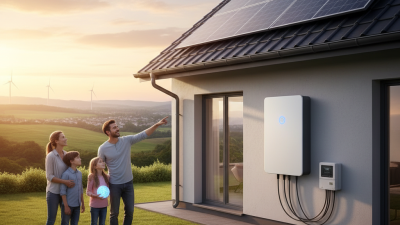
Picture a sunny afternoon. Solar panels may generate more electricity than the home needs. The battery can store that surplus for evening cooking, lighting, and cooling. During an outage, it may support selected appliances, depending on its capacity and installation design. Not every battery can power an entire house.
A reliable choice begins with an honest energy review. Examine twelve months of electricity bills, peak usage times, roof direction, shading, and local weather patterns. Ask how much energy the battery can store and how much power it can deliver instantly. These figures are different. A professional installer should explain both clearly and provide realistic performance estimates.
Safety also deserves close attention. Look for reputable equipment, qualified installation, monitoring features, and clear warranty terms. Independent testing and recognized industry standards can strengthen confidence, but paperwork alone is not enough. Ask how the system performs in cold weather, during repeated cycling, and after several years. Some online calculators oversimplify these conditions.
There is no perfect setup. I would rather choose a smaller, well-matched system than an oversized one with unclear benefits. The best decision balances resilience, budget, maintenance, and future energy needs. Careful questions today can prevent expensive surprises later.
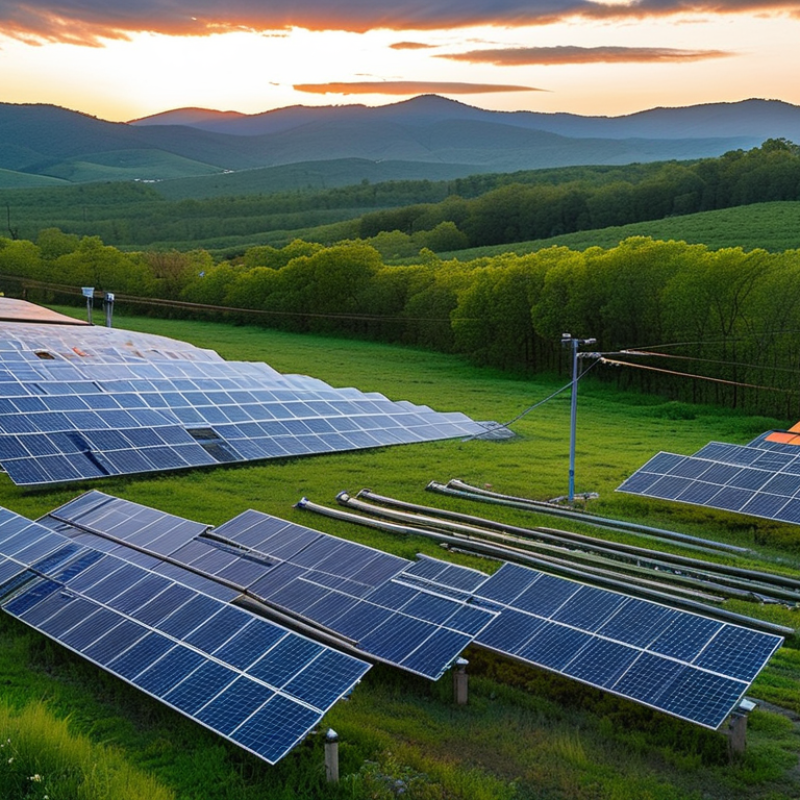
Understanding Solar Power Systems with Battery Storage
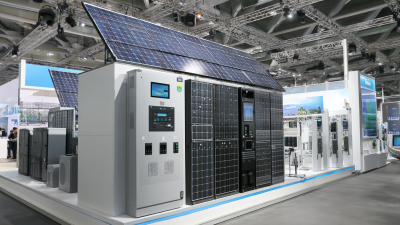
A solar power system with battery storage combines panels, an inverter, monitoring controls, and a battery. Panels produce electricity during daylight, while the battery stores unused energy for later use. In real homes, evening cooking, refrigeration, and lighting often create the highest demand. A properly sized system should match household consumption, not simply maximize panel capacity. Reviewing twelve months of electricity bills gives a more reliable starting point than guessing from one sunny week.
Battery chemistry, usable capacity, power output, and warranty terms deserve careful attention. Usable capacity shows how much energy is available after safety limits. Power output indicates whether the battery can run heavy equipment, such as a pump or induction cooker. Installation quality also matters. Cable routing, ventilation, weather protection, and emergency shutdown access should follow local electrical standards. I have seen attractive systems underperform because their batteries were too small for evening loads. My first estimate would not be enough.
Tips: List essential appliances during an outage. Separate daily energy needs from short power surges. Ask a qualified installer for load calculations and written performance assumptions. Check whether the system can operate during grid interruptions; some installations cannot without suitable backup controls. Leave room for future demand, but avoid paying for unused storage. Shade, roof direction, seasonal sunlight, and battery temperature can change real results. Keep maintenance records, and review monitoring data after the first few months.
Battery capacity should be compared with a home's average daily electricity use. The chart uses representative residential consumption levels and a common planning range of approximately 50–80% of average daily demand for usable battery storage.
Example: A home using 5,000 kWh per year consumes about 13.7 kWh per day, making a 7–10 kWh usable battery a practical starting range. Actual sizing depends on electricity tariffs, backup requirements, solar resource, household load patterns, and local regulations.
Choosing a solar power system starts with measuring how your household actually uses electricity. Review at least twelve months of utility bills, including summer and winter peaks. Then list essential loads separately from flexible appliances. A refrigerator, medical equipment, internet router, lights, and a water pump may need backup. An electric oven and vehicle charger may not.
Do not guess. Record each appliance’s wattage, operating hours, and starting surge. If essential devices consume 8 kilowatt-hours daily, two days of backup require about 16 usable kilowatt-hours. Battery losses and reserve capacity increase the required nameplate size. A practical estimate may reach 20 to 22 kilowatt-hours. Your installer should confirm this with measured data and local outage patterns.
Solar production changes with shading, roof direction, weather, and seasonal daylight. Ask for a month-by-month production estimate, not only an annual figure. Check whether the inverter can start motors and support your chosen loads together. Safety certification, installation permits, ventilation, and battery temperature limits also deserve careful review. In real assessments, estimates are never perfect. Household habits change, and cloudy periods can last longer than expected. I would rather size critical backup conservatively than discover the shortfall at midnight.
Choosing a solar power system starts with the load, not the panel count. The IEA reported 510 GW of renewable capacity additions in 2023, with solar PV providing about three-quarters. Yet more panels do not guarantee better performance. A south-facing roof, partial shade, and local temperature can change annual output significantly.
Panel efficiency matters when roof space is limited. Battery capacity matters when evening demand is high. Lithium-ion battery pack prices averaged about 115 US dollars per kWh in 2024, according to BloombergNEF. However, installed costs include inverters, wiring, controls, labor, and safety equipment. A grid-tied system is usually simpler and cheaper, but it normally shuts down during outages. A hybrid system adds battery backup and can shift daytime solar into evening use. An off-grid system needs larger batteries and often a backup generator. It is less forgiving.
Tips: Compare usable battery capacity, not advertised capacity. Check round-trip efficiency, warranty conditions, and expected cycles. Ask for hourly production estimates using local weather data. NREL research commonly uses about 0.5% annual PV degradation as a practical planning assumption, though real roofs vary. Keep critical circuits separate during outages. Oversizing the battery may feel secure, but it can leave expensive capacity unused. I would also review winter performance carefully; a design that looks excellent in summer may disappoint during short, cloudy days.
Planning starts with the load, not the battery. Review twelve months of utility bills and record evening demand separately. A home using 24 kWh daily may need a smaller battery than its peak load suggests. Refrigerators, pumps, and heating equipment can briefly demand several kilowatts. Size the inverter for those starting surges. Size the battery for essential circuits, outage duration, and weather uncertainty.
The National Renewable Energy Laboratory’s 2023 cost benchmark reported about $4.30 per watt for residential solar paired with storage. Prices vary by location, equipment, labor, and permitting. The International Energy Agency reported that battery storage costs fell roughly 90% between 2010 and 2023. Lower prices help, but replacement planning still matters. A spreadsheet can be wrong. Recheck assumptions using hourly consumption data and local solar estimates.
Installation quality controls safety. Keep batteries away from sleeping areas, ignition sources, flooding, and blocked ventilation. Use listed equipment and follow local electrical codes. NFPA 855 provides guidance for stationary energy storage installations, while UL 9540A evaluates thermal runaway behavior. Ask the installer for shutdown procedures, clearance measurements, and inspection records. Leave space for maintenance. Do not hide every component in a tight utility closet. An experienced installer should explain fire detection, emergency access, grounding, and backup circuit limits without vague promises. Forecasting is imperfect, so include a modest reserve instead of chasing complete energy independence.
A solar-battery quote should separate equipment, installation, permits, and future replacement costs. BloombergNEF reported an average lithium-ion battery pack price of 115 dollars per kilowatt-hour in 2024. That’s a pack-level figure, not a turnkey household system. In practice, wiring, inverters, labor, and safety equipment can change the final price sharply. Compare the cost per usable kilowatt-hour, not only the advertised battery capacity.
Performance needs measurable details. Ask for usable capacity, continuous output, peak output, round-trip efficiency, and backup switching time. A battery may store 10 kilowatt-hours but deliver less after reserve settings and conversion losses. NREL research reports median photovoltaic degradation near 0.5% annually, though heat, shading, and poor installation can worsen results. Household demand also changes seasonally. My estimate may fail if winter heating loads are ignored.
Warranties deserve careful reading. Check years, throughput limits, minimum retained capacity, labor coverage, and transfer conditions. A ten-year warranty sounds strong, but a strict energy-throughput cap may end protection earlier. Lazard’s 2024 Levelized Cost of Storage analysis shows that storage economics vary substantially with duration and utilization. Maintenance should include visual inspections, software checks, ventilation, and inverter servicing. Ask who pays for travel and replacement labor. A spreadsheet cannot predict every failure. Keep a modest repair reserve.