Why Are Solar Systems Important for Our Future?
In recent years, the importance of solar systems has become increasingly evident. Dr. Emily Carter, a leading expert in renewable energy, states, “Solar systems are not just an alternative; they are essential for a sustainable future.” As the world grapples with climate change, the transition to solar energy emerges as a viable solution. Solar systems harness the sun's power and convert it into clean electricity, reducing our reliance on fossil fuels.
The technology behind solar systems has advanced significantly. Modern solar panels are more efficient and affordable than ever. Yet, millions of people still lack access to this renewable resource. This gap raises questions about equity and sustainability. We must consider the challenges that come with widespread solar adoption. For example, battery storage and efficient grid integration remain obstacles.
Investing in solar systems can lead to job creation and energy independence. However, it's crucial to address the environmental implications of manufacturing solar panels. Not all solar systems are created equal. As we move forward, we need to critically assess how we can optimize solar technology for both people and the planet. The future of our energy landscape hinges on this reflection.
The Role of Solar Energy in Reducing Carbon Emissions
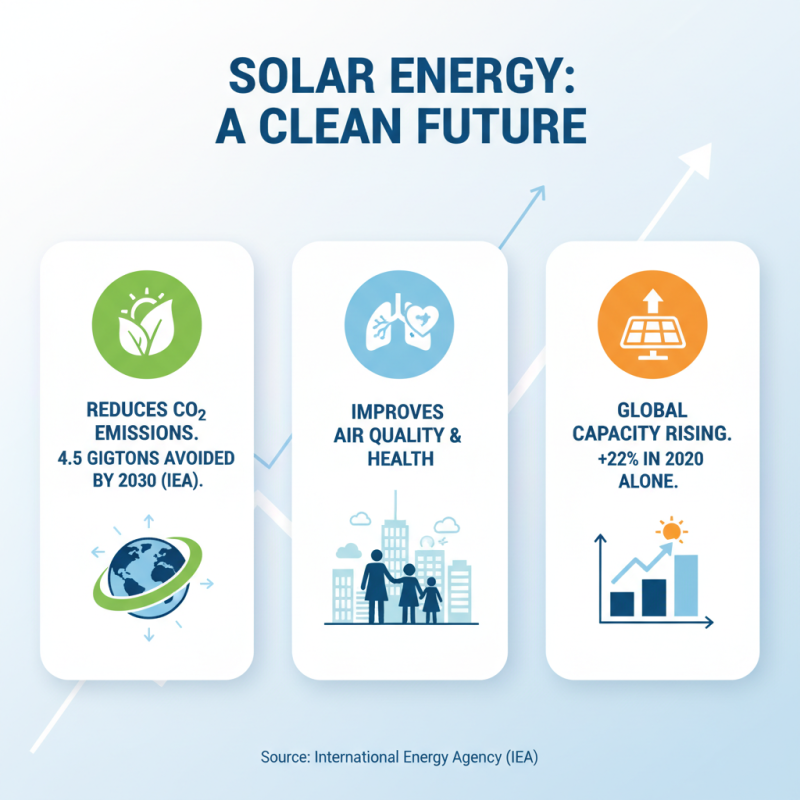
Solar energy is increasingly vital for reducing carbon emissions. According to the International Energy Agency (IEA), solar power can potentially avoid 4.5 gigatons of CO2 emissions by 2030. This shift can significantly improve air quality and public health. Solar installations are rising, with capacity increasing by 22% in 2020 alone.
Tips: Consider installing solar panels at home. This not only reduces your carbon footprint but can save you money too. Energy independence is a crucial benefit.
However, challenges remain. Solar energy production is intermittent, affected by weather and daylight. Energy storage solutions, like batteries, are still costly and developing. Collaboration among governments, companies, and communities will drive progress.
Tips: Research local incentives for solar projects. Some areas offer rebates or tax credits. Being informed can make solar more accessible for everyone.
Economic Benefits of Solar Systems: Job Creation and Investment Growth
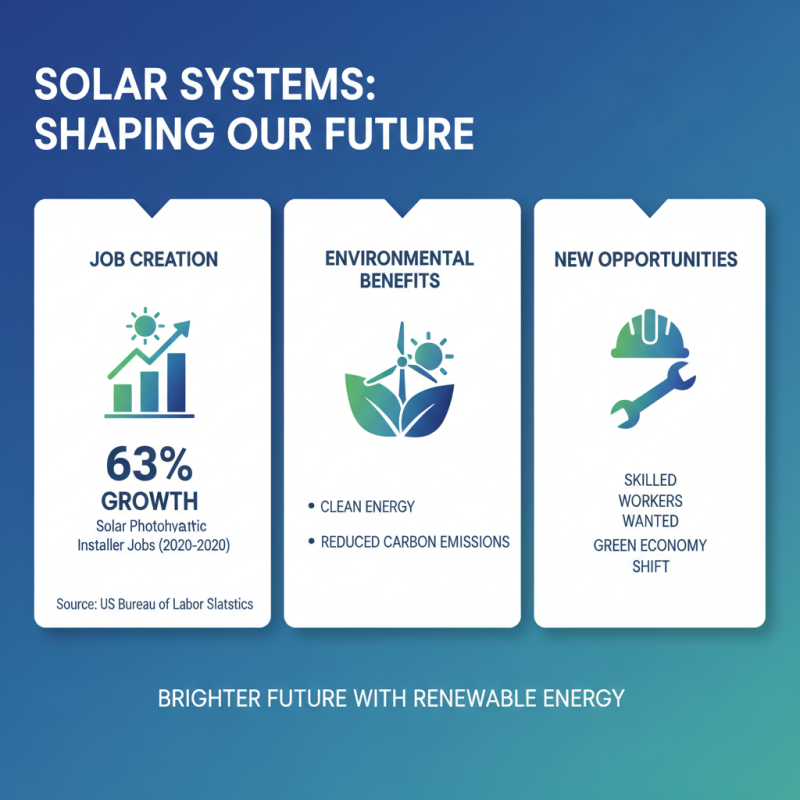
Solar systems play a pivotal role in shaping our future. One of the most significant impacts is their contribution to job creation. According to the U.S. Bureau of Labor Statistics, solar photovoltaic installer jobs are expected to grow by 63% from 2020 to 2030. This is much faster than the average for all occupations. The shift towards renewable energy sources not only helps the environment but also provides new employment opportunities for skilled workers.
Investment in solar energy continues to rise. In 2021, global solar investments reached over $150 billion. This growth demonstrates a strong belief in solar technology and its economic potential. Many regions have implemented supportive policies, encouraging businesses to adopt solar solutions. This creates a ripple effect, stimulating local economies and attracting further investment.
Tips: When considering a solar system for your home, evaluate local incentives. Check for grants or tax credits that can reduce your initial costs. Moreover, engage with local businesses to discuss job opportunities in the renewable sector. Not everyone may find these opportunities, highlighting the need for targeted training programs. Fostering skills in high-demand areas is essential for a sustainable future.
The Impact of Solar Energy on Energy Independence and Security
Solar energy is a game changer for energy independence. By harnessing the sun’s power, countries can reduce reliance on fossil fuels. This shift can bolster national security. When nations depend less on imported oil, they become more resilient. Solar systems can create local jobs too, which boosts economies.
Installing solar panels on rooftops means lower electricity bills. In sunny regions, households can generate surplus energy. This energy can be sold back to the grid. However, the initial costs may deter some homeowners. Collaboration among communities can drive down expenses. Innovative financing models will be key in making solar accessible for all.
Despite its potential, solar energy has limitations. Not every area receives the same amount of sunlight. Energy storage solutions, like batteries, still need improvement. There are also environmental concerns about manufacturing solar panels. Addressing these challenges is essential for a sustainable future. As we advance, we must balance technology with environmental stewardship.
Why Are Solar Systems Important for Our Future? - The Impact of Solar Energy on Energy Independence and Security
| Dimension |
Impact |
Statistic |
| Energy Independence |
Increased reliance on domestic energy sources |
50% reduction in foreign energy reliance by 2030 |
| Job Creation |
Growth in solar industry jobs |
Over 1.3 million jobs projected by 2030 |
| Environmental Impact |
Reduction of greenhouse gas emissions |
Estimated 1.5 billion tons CO2 reduction by 2030 |
| Energy Security |
Less vulnerability to energy supply disruptions |
80% decrease in energy supply volatility |
| Cost Savings |
Reduction in electricity bills for consumers |
Average savings of $1,000 annually per household |
Technological Advancements in Solar Energy Efficiency and Storage
Solar energy is rapidly evolving. Recent reports highlight significant advancements in solar energy efficiency and storage technologies. The National Renewable Energy Laboratory estimates that solar panels have reached an efficiency of over 22%. This means more energy conversion from sunlight into electricity.
Storage solutions are also improving. Energy storage systems are crucial to make solar energy dependable. Current data shows that lithium-ion battery costs have decreased by 89% since 2010. This drop creates opportunities for homeowners and businesses. However, not all regions have access to reliable storage options. This inconsistency raises questions about equity in energy access.
Emerging technologies promise even better efficiency and capacity. Researchers are exploring perovskite solar cells. They may reach efficiencies above 30% in the coming years. Yet, stability remains a challenge. Integrating these new technologies into existing systems will require innovative solutions and careful planning. The future of solar energy hinges on our ability to overcome these obstacles.
Global Adoption Rates of Solar Systems: Trends and Future Projections
The global adoption rates of solar systems have surged in recent years. Countries around the world are realizing the benefits of renewable energy. In 2022, solar energy accounted for 19% of global electricity generation. This trend is not just about numbers; it reflects a shift in mindset. Communities are seeking sustainable solutions, and their enthusiasm is growing.
Future projections suggest continued growth in solar adoption. Experts predict installations may even double by 2030. Emerging technologies could further accelerate this trend. However, challenges remain. Some regions still lack access to solar technologies. Economic barriers often hinder widespread use. This highlights the need for innovative solutions to make solar energy accessible for all.
Moreover, not all solar initiatives are successful. From inefficient installations to underutilized systems, there are learning opportunities. Stakeholders must reflect on past efforts to improve future projects. The transition to solar energy is a journey, not just a destination. It requires ongoing commitment to overcome obstacles and ensure that solar energy fulfills its potential for the planet’s future.
Global Adoption Rates of Solar Systems: Trends and Future Projections
The chart above illustrates the global adoption rates of solar systems from 2015 to 2025, showcasing significant growth over the years. The installed capacity in gigawatts (GW) is projected to continue increasing, highlighting the importance of solar energy for a sustainable future.