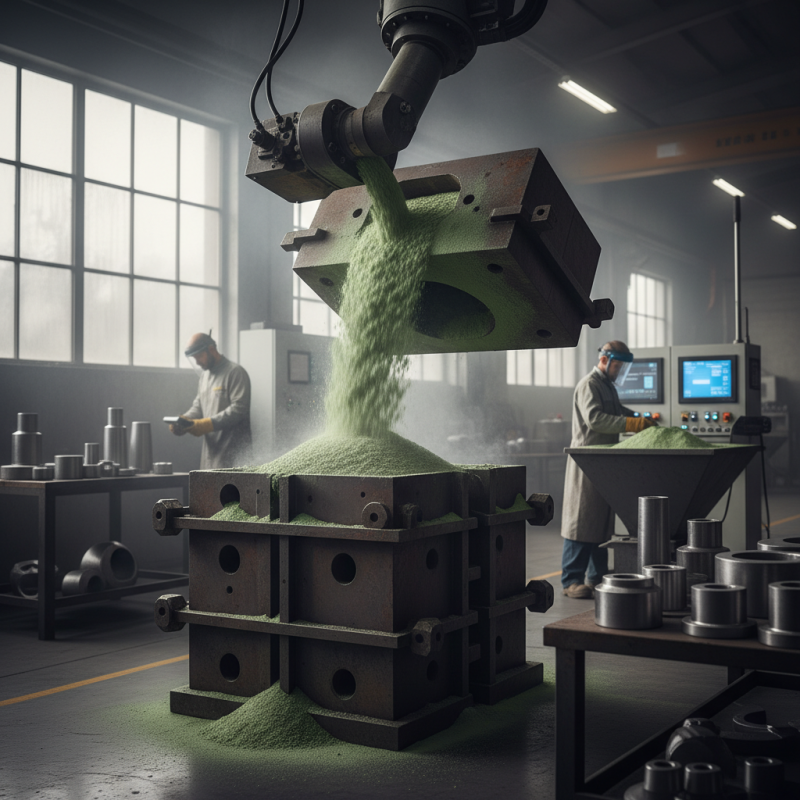
How to Master the Sand Molding Process for Best Results?
The sand molding process is crucial in metal casting. This technique allows for intricate designs and precise dimensions. According to the American Foundry Society, nearly 70% of all cast metal components are produced using sand molds.
However, mastering this process is not straightforward. Factors like sand quality and moisture content can significantly impact outcomes. Inconsistent results may arise if these elements are not carefully controlled. A poor mix can lead to defects in the final product, wasting time and resources.
Moreover, the need for innovation in sand molding is pressing. Industry reports indicate a growing demand for greener alternatives to traditional sand materials. Companies must adapt to these changes while optimizing the sand molding process. Understanding the nuances of this technique is essential for achieving the best possible results.
Understanding the Fundamentals of Sand Molding in Metal Casting
Sand molding is a crucial process in metal casting. It involves creating molds using sand, which is both versatile and easy to work with. Understanding the fundamentals can lead to better outcomes. The right mixture of sand and binder improves mold strength. A well-prepared mold results in fewer defects, reducing the need for costly repairs.
Tips: Always check the moisture content in your sand. Too dry, and the mold may crumble. Too wet, and it may lose shape. Mixing different grades of sand can enhance performance. Experimenting with ratios is often necessary.
Many castings suffer from imperfections like air bubbles or surface roughness. This often occurs due to inadequate venting or compaction. It’s essential to learn from these mistakes. Improving techniques gradually can lead to a more refined process. The journey to mastering sand molding is filled with challenges. Embrace them.
Key Materials Used in Sand Molding: Types of Sand and Binder Selection
Sand molding is a crucial process in foundry operations. It involves the use of specific types of sand and suitable binders to create molds for casting. Understanding the materials is vital for successful outcomes. Silica sand is commonly used due to its availability and ideal properties. According to industry reports, about 80% of all sand molds use silica sand. However, not all sand is equal. Grain size and shape influence the final product's quality.
Binders play a key role in the sand molding process. They hold the sand grains together, providing strength and durability. Common binders include clay and resin. Clay, for instance, can enhance the mold's strength but may require careful management to prevent issues. Reports suggest that a well-selected binder can improve mold strength by up to 50%. This can lead to fewer casting defects and better surface finishes.
Tips: Choose the right grain size for your project. Fine grains reduce gaps, improving mold detail. Always conduct a test with your chosen materials. This can prevent costly mistakes later. Adjusting the binder content can also fine-tune the mold properties. Remember, every foundry has unique requirements. Experimentation is essential for mastering the sand molding process.
Step-by-Step Process of Sand Molding: From Pattern Creation to Molding
Creating a sand mold begins with a well-designed pattern. A pattern is usually made from wood or metal. It should be slightly larger than the final product. The difference is due to shrinkage that occurs when the metal cools. Accurate measurements are key to ensuring the end product fits well.
Once the pattern is ready, prepare your sand mixture. This involves using a mix of sand and a bonding agent. Achieving the right texture is crucial. Too moist or too dry can lead to defects in the mold. Make sure to compact the mixture properly around the pattern. Pay attention to details. Sometimes the sand sticks or crumbles, leading to uneven surfaces. Reflect on your process to identify these pitfalls.
After molding, remove the pattern carefully. Check for any imperfections in the sand mold. Small flaws can cause issues later during the pouring process. It’s important to fix these before moving on. Learning to master the sand molding process takes practice and patience. Embrace the challenges and keep refining your techniques.
Common Defects in Sand Molding and How to Prevent Them
In the sand molding process, common defects can occur, affecting the quality of the final product. Understanding these defects is essential for improvement. One common issue is mold misalignment. If the mold halves don't align perfectly, it can lead to gaps. These gaps can result in a poor surface finish.
Another frequent defect is sand penetration. This happens when the sand sticks to the mold instead of flowing smoothly. It can create unwanted textures in the final casting. To prevent these issues, consider these tips:
Tip 1: Regularly check mold alignment. Misalignment can cause costly errors. Use precision tools to ensure correct placement.
Tip 2: Maintain consistent sand moisture levels. Too much or too little moisture affects the sand's properties. Keep a record of moisture content and adjust as necessary.
Defective castings may also stem from inadequate venting. Trapped gases can distort molds. Always inspect your venting design to ensure proper gas escape.
Diverting attention from these common errors may lead to ongoing issues. It's vital to foster a culture of quality awareness among workers. This proactive approach minimizes defects and enhances overall output quality.
Common Defects in Sand Molding and Prevention Strategies
Best Practices for Achieving Optimal Results in Sand Molding Process
The sand molding process is critical in metal casting. Mastering it requires attention to detail and adherence to best practices. Data shows that around 40% of defects in cast products arise from poor sand mold quality. This emphasizes the importance of using high-quality sand. The right mix of sand and binder can significantly impact the final product's integrity.
Moisture content in the sand also plays a vital role. Ideally, it should be maintained between 3% to 5%. Too much moisture can lead to steam in the mold, causing defects. Too little moisture can result in dry sand, which may not hold the shape. Monitoring this is essential but can often be overlooked. Regular testing of the sand's properties is necessary, yet often neglected.
Another factor is sand grain size. Uniformity in grain size can minimize inconsistencies. Studies reveal that a mixture of fine and coarse grains can enhance mold strength. However, achieving this ideal mix can be challenging. Operators sometimes struggle with maintaining consistency, resulting in variable mold quality. Continuous training for molders can help address this issue and improve outcomes.