How to Optimize Your Business's Energy Solutions for a Greener Tomorrow: Key Metrics and Strategies
As businesses increasingly prioritize sustainability, optimizing energy solutions has become a critical component for achieving a greener tomorrow. According to the International Energy Agency (IEA), the global energy demand is projected to increase by 30% by 2040, necessitating a shift toward more efficient and renewable energy sources. Furthermore, a report from McKinsey highlights that companies adopting advanced energy solutions can reduce their operational costs by up to 20% while contributing to significant carbon footprint reductions. By leveraging key metrics such as energy consumption patterns and emissions data, businesses can strategically implement tailored energy solutions that not only enhance efficiency but also comply with emerging regulatory frameworks. This transition toward a more sustainable energy strategy is not just beneficial for the planet; it also positions companies as leaders in their industries, responding proactively to the growing consumer demand for environmentally responsible practices.
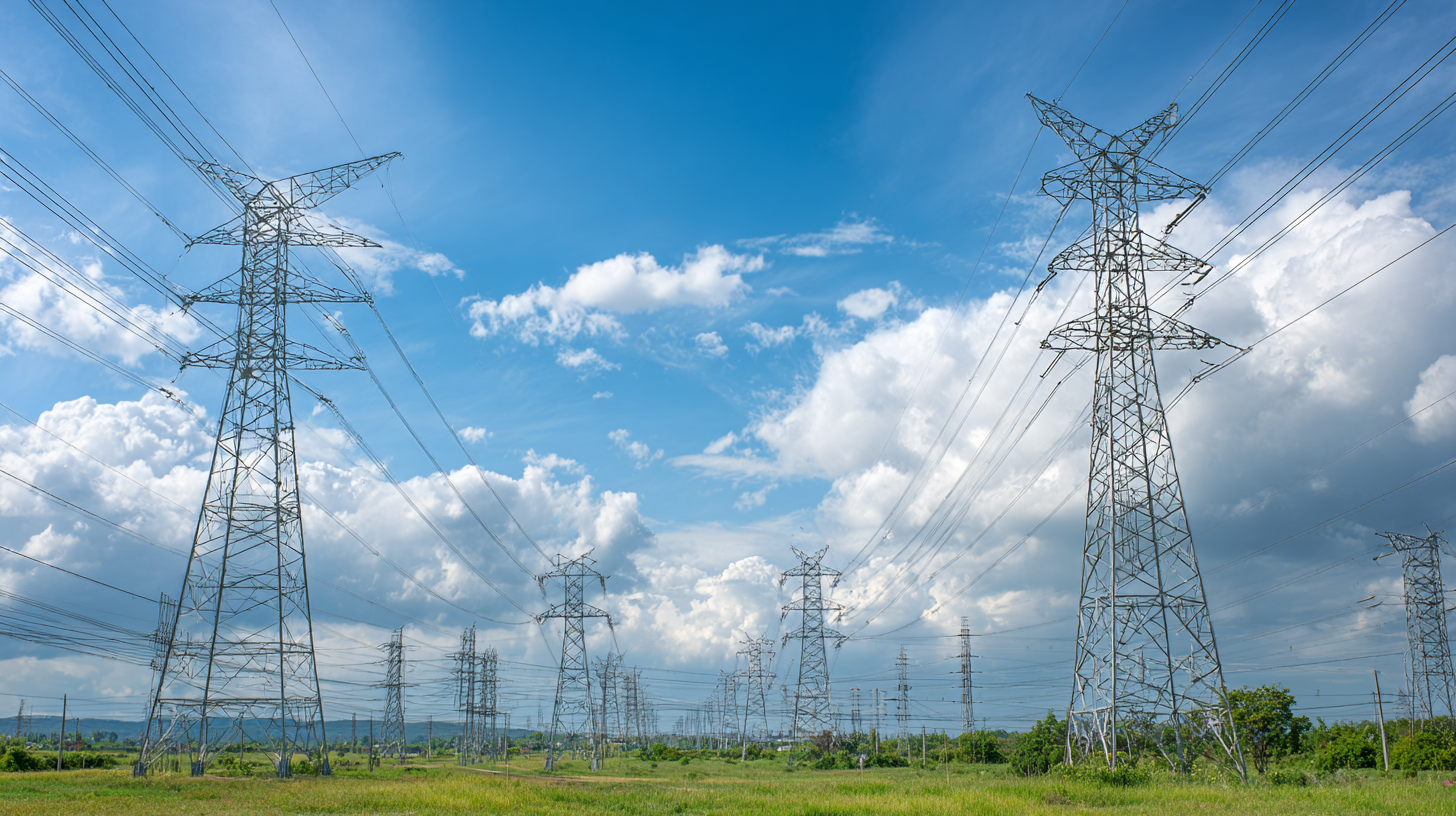
Key Metrics for Measuring Energy Efficiency in Business Operations
Measuring energy efficiency is crucial for businesses aiming to optimize their energy solutions. Key metrics, such as energy consumption per unit of production, carbon footprint, and overall energy cost savings, provide valuable insights into a company's energy use. Tracking these metrics can help identify areas for improvement and reveal potential savings on energy bills, often leading to reduced operational costs and a smaller environmental impact.
**Tips:** Start by conducting an energy audit to establish a baseline for your current energy consumption. Utilize software for tracking real-time energy use and integrating these metrics into your regular operational reviews. Additionally, encourage employee engagement by sharing energy-saving benchmarks and setting collective goals for improvement.
Investing in renewable energy technologies, such as solar panels or wind turbines, can significantly reduce a business's carbon footprint. The shift towards sustainable energy solutions can be measured through the percentage of energy sourced from renewables and the reduction in greenhouse gas emissions. By consistently analyzing these metrics, businesses can strategically enhance their energy efficiency for a more sustainable future.
**Tips:** Implement an energy management system to monitor your renewable energy production and consumption. Additionally, consider setting targets for renewable energy sourcing that align with your overall business goals to keep momentum toward a greener tomorrow.

Understanding the Financial Benefits of Green Energy Solutions
The transition to green energy solutions offers significant financial benefits for businesses, making it not only a sustainable choice but also a smart economic strategy. According to a report from the International Renewable Energy Agency (IRENA), transitioning to renewable energy can reduce energy costs by up to 30%. Companies leveraging solar and wind power report a decrease in their operational costs, enabling them to allocate resources to other crucial areas of their business. Furthermore, a survey by Deloitte found that 78% of businesses plan to increase their investment in sustainable energy solutions, highlighting a clear trend towards prioritizing green initiatives for better financial outcomes.
In addition to direct savings on energy expenses, green energy solutions can enhance a company's brand image and customer loyalty. A Nielsen report indicated that 66% of consumers are willing to pay more for products from sustainable brands. This consumer preference means businesses adopting sustainable practices can distinguish themselves in a competitive market, driving sales and improving overall profitability. Moreover, government incentives, such as tax credits and grants for renewable energy projects, can further bolster financial performance, making green energy not just an environmentally responsible choice but a financially savvy one as well.
How to Optimize Your Business's Energy Solutions for a Greener Tomorrow: Key Metrics and Strategies
| Key Metrics |
Before Optimization |
After Optimization |
Annual Savings (%) |
CO2 Reduction (tons/year) |
| Energy Consumption (kWh) |
150,000 |
100,000 |
33.33% |
60 |
| Energy Cost ($) |
$20,000 |
$13,333 |
33.33% |
60 |
| Renewable Energy Usage (%) |
10% |
50% |
400% |
- |
| Average Payback Period (years) |
5 |
3 |
- |
- |
| Employee Satisfaction (%) |
70% |
85% |
21.43% |
- |
Strategies for Integrating Renewable Energy Sources into Your Business
Integrating renewable energy sources into your business operations is not only an environmentally responsible choice but also a viable strategy for cost savings and sustainability. According to the International Renewable Energy Agency (IRENA), the global renewable energy capacity surged to 2,799 GW in 2020, with solar and wind energy leading the charge. This signifies a growing trend that businesses can capitalize on by incorporating these resources into their energy strategy. For instance, companies can install solar panel systems on their rooftops to generate electricity that meets a portion of their operational needs, potentially reducing their energy bills by 50% or more.

Additionally, businesses can consider entering power purchase agreements (PPAs) for wind or solar farms, which allow them to secure long-term, fixed electricity prices. A study by the Rocky Mountain Institute found that 83% of corporations are willing to procure renewable energy primarily to mitigate risks associated with energy price volatility. By leveraging these strategies, businesses not only contribute to a greener future but also enhance their operational resilience, ultimately aligning with the global shift towards sustainability and reducing their carbon footprint.
Evaluating Carbon Footprint: Tools and Techniques for Business Optimization
As businesses strive for sustainability, evaluating the carbon footprint has become essential for optimizing energy solutions. Tools like carbon calculators and lifecycle assessment software can help businesses measure their emissions accurately. By gathering data on energy consumption and waste production, organizations can identify areas for improvement, allowing for targeted strategies that reduce environmental impact.
**Tips:** Start by tracking your energy usage across all departments to pinpoint high-consumption areas. Implementing energy audits regularly can reveal inefficiencies that may be addressed to lower your carbon footprint. Another effective technique is engaging employees in sustainability training, fostering a culture of eco-consciousness that encourages ongoing participation in energy-saving practices.
Beyond measurement, applying strategies like transitioning to renewable energy sources or enhancing energy efficiency can significantly contribute to a greener operation. Businesses can also consider offsetting their carbon emissions through initiatives such as reforestation projects or supporting renewable energy investments. This holistic approach not only mitigates environmental damage but also showcases your company's commitment to sustainability, potentially attracting eco-aware customers and investors.
Energy Consumption by Source in Businesses (2023)
This chart illustrates the percentage of energy consumption by various sources in businesses as of 2023. Understanding these metrics can help organizations optimize their energy solutions for a greener future.
Case Studies: Successful Energy Optimization in Leading Industries
The recent conference on smart photovoltaic and energy storage safety, organized by a leading digital energy company, brought together over 200 industry leaders and experts from the Asia-Pacific region. This event highlighted the significance of energy optimization strategies that are essential for driving sustainability in various sectors. According to a recent report from the International Energy Agency, energy-efficient technologies can help reduce global energy demand by up to 30% by 2040, underscoring the critical role such solutions play in achieving environmental goals.
In addition, a prominent technology group received the "Annual Green Manufacturing Enterprise" award at the 2024 ESG Trend Forum, reflecting the industry's growing commitment to sustainable practices. As noted in the latest sustainability index report, companies that actively implement energy-efficient practices not only lower their operational costs but also enhance their brand reputation among consumers increasingly concerned with corporate responsibility. Moreover, another initiative recognized the deployment of green low-carbon technologies in urban areas, illustrating the importance of case studies that showcase successful energy optimization efforts within leading industries. These initiatives collectively pave the way for a greener tomorrow, aligning with global sustainability objectives.