Unlocking Savings and Sustainability: The Ultimate Guide to Solar Installation for Homeowners
The transition to solar energy has gained significant momentum in recent years, with homeowners increasingly recognizing its potential to unlock both savings and sustainability. According to the Solar Energy Industries Association (SEIA), the United States has seen a staggering growth of over 167% in residential solar installation from 2015 to 2020, reflecting a growing awareness of both environmental and financial benefits. Furthermore, a report by the National Renewable Energy Laboratory (NREL) indicates that homeowners can save an average of $20,000 over 20 years by opting for solar energy, in addition to reducing their carbon footprint by an equivalent of 100,000 pounds of CO2 emissions. As energy costs continue to rise and climate change pressures mount, understanding the ins and outs of solar installation becomes crucial for today’s environmentally conscious homeowner. This guide will equip you with the essential knowledge to make informed decisions about harnessing the power of the sun for your home.
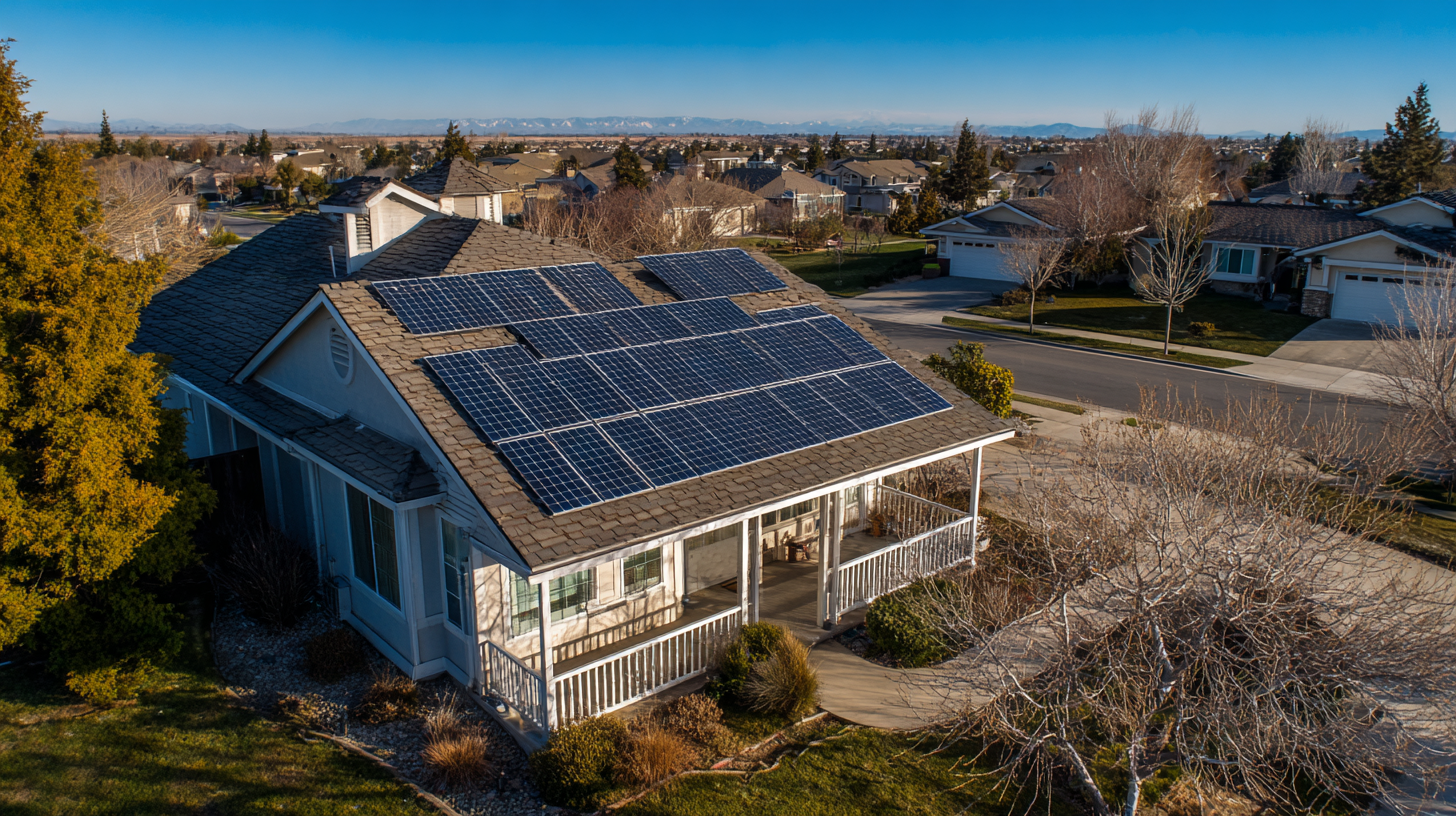
Understanding the Basics of Solar Energy: A Homeowner's Primer
Understanding the basics of solar energy is essential for homeowners considering installation. Solar energy harnesses sunlight through photovoltaic (PV) panels, converting it into electricity. According to the Solar Energy Industries Association (SEIA), the U.S. saw a 20% year-over-year growth in solar installations, highlighting a trend towards renewable energy adoption. Homeowners can significantly reduce their energy bills—average savings can reach approximately $1,500 annually by switching to solar energy.
Tips for homeowners include assessing your roof's solar potential. Factors such as orientation, shading, and age of the roof can impact the efficiency of solar panels. If your roof is not ideal for solar, consider ground-mounted systems as an alternative. Additionally, explore local and federal incentives; the federal solar tax credit allows homeowners to deduct 26% of their solar installation costs from their federal taxes, making solar more accessible and affordable.
Furthermore, investing in high-efficiency panels can enhance your long-term savings. According to a study by the National Renewable Energy Laboratory (NREL), using higher-efficiency modules can yield up to 30% more energy output over the system's lifetime compared to standard panels. Selecting the right technology not only supports energy needs but also contributes to a more sustainable future.
Annual Solar Energy Production vs. Electricity Costs
This chart compares the estimated annual solar energy production (in kWh) for an average residential solar installation against the average annual electricity costs (in USD) over five years.
The Financial Benefits of Switching to Solar Power for Your Home
Switching to solar power offers homeowners significant financial benefits that go beyond just reducing monthly energy bills. According to the Solar Energy Industries Association (SEIA), the cost of solar panels has dropped by more than 70% over the past decade, making renewable energy more accessible than ever. By investing in solar installation, homeowners can save an average of $10,000 to $30,000 over the lifetime of their solar systems, depending on their location and energy consumption patterns.
Additionally, homeowners can take advantage of federal tax credits, which currently offer a 26% tax deduction on the installation costs of solar systems. This incentive, combined with state-level rebates and incentives, can drastically reduce the upfront investment, making solar power a financially smart choice. Furthermore, a 2023 report by Zillow revealed that homes equipped with solar panels sold for about 4% more than comparable homes without them. This trend underscores the growing value that solar installations add to residential properties, presenting a win-win for homeowners looking to enhance their financial stability while contributing to sustainability.
Choosing the Right Solar System: Key Considerations for Homeowners
When selecting the right solar system for your home, homeowners should consider several key factors,
including energy efficiency, initial costs, and potential savings. A significant
trend in the U.S. market is the increasing adoption of residential lithium-ion battery energy storage systems,
projected to reach a value of $1.52 billion by 2024.
This growth underscores the importance of combining solar panels with storage solutions, enabling homeowners
to maximize their energy use and savings. By 2032, this market is expected to grow at a compound annual
growth rate (CAGR) of 14.36%, illustrating the rising consumer demand for sustainable energy options.
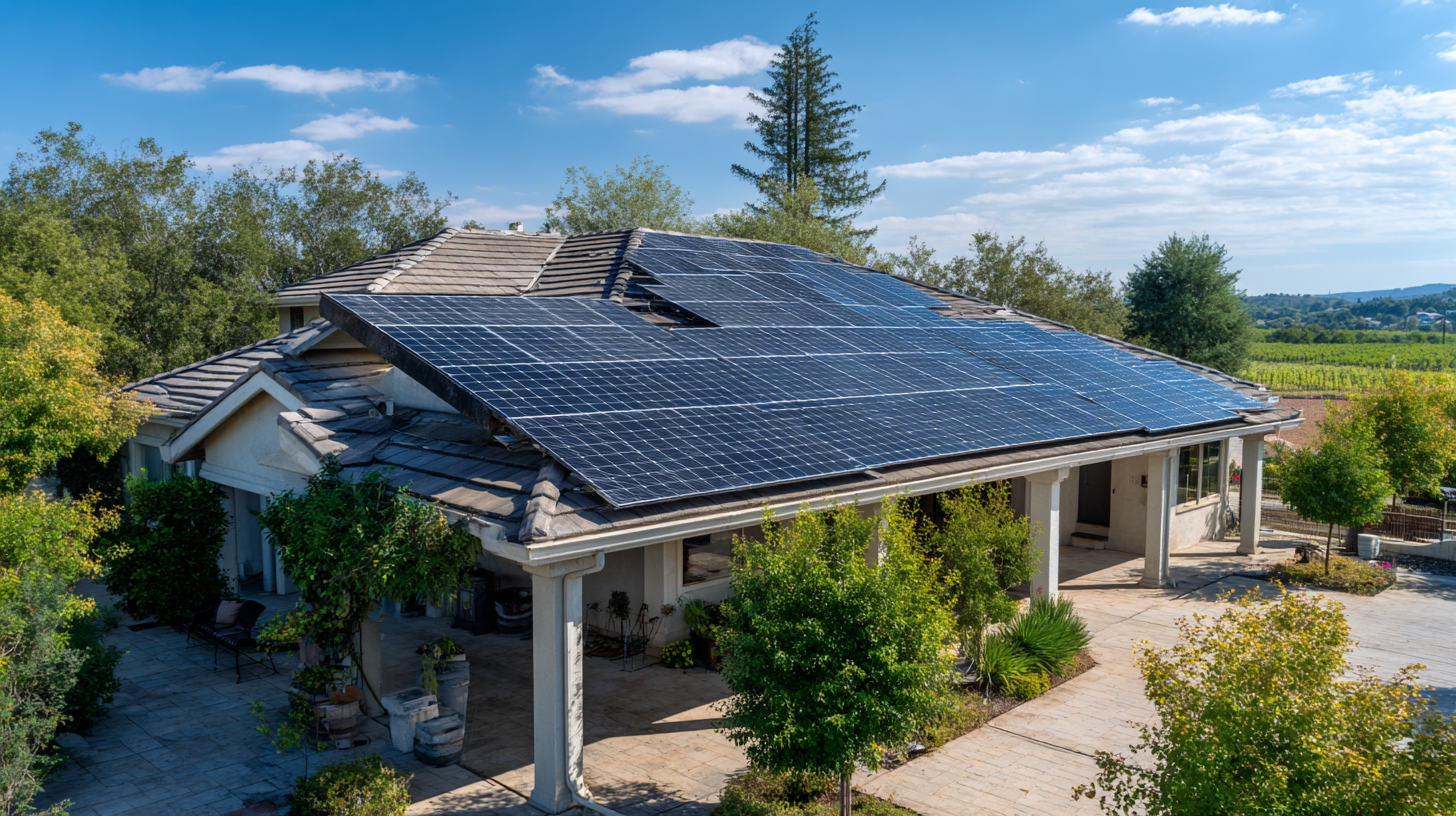
Another crucial aspect is the technology behind solar heating installations, which are becoming increasingly
efficient and cost-effective. With advancements in solar heating technology, homeowners can expect substantial
reductions in energy costs. Reports indicate that solar heating can significantly impact energy expenses in 2024,
offering a sustainable and economical alternative for home heating. As the market evolves, it is imperative to
assess both the economic and environmental benefits of solar energy systems to make informed decisions that
contribute to both savings and sustainability.
Navigating Solar Installation: Steps to Seamless Integration
When considering solar installation, navigating the process can appear daunting, but breaking it down into manageable steps makes for a smoother experience. First, homeowners should conduct thorough research to understand which solar system best fits their energy needs and budget. Assessing electricity consumption patterns and exploring various systems—from photovoltaic panels to solar water heaters—can lead to informed decisions tailored to individual circumstances.
Next, selecting a trustworthy solar contractor is crucial. Homeowners should seek out reputable companies, reviewing customer testimonials and verifying licenses. Once a contractor is chosen, the installation process begins with a site assessment, where the team evaluates your property and discusses optimal panel placement. Following this, securing necessary permits and understanding local regulations are vital for ensuring compliance and avoiding delays. Once installed, regular maintenance checks will help sustain efficiency, making your solar investment both a sustainable and economically savvy choice for the long run.
Unlocking Savings and Sustainability: The Ultimate Guide to Solar Installation for Homeowners
| Dimension |
Details |
| Initial Cost |
$15,000 - $25,000 (average for residential systems) |
| Government Incentives |
30% federal tax credit (varies by state) |
| Average Payback Period |
5 to 10 years |
| Estimated Savings |
$10,000 to $30,000 over 20 years |
| Environmental Impact |
Reduces carbon footprint by approx. 3 to 4 tons annually |
| System Lifespan |
25 to 30 years |
| Maintenance Cost |
$300 - $500 per year (average) |
| Common Financing Options |
Loans, leases, power purchase agreements (PPAs) |
Maintaining Your Solar Investment: Tips for Longevity and Efficiency
Maintaining your solar investment is crucial for ensuring its longevity and efficiency. As advancements in photovoltaic technology continue to reshape the renewable energy landscape, homeowners must also be aware of environmental factors that can impact the performance of solar systems. Research indicates that performance degradation can reach 60% to 70% due to various environmental stresses, such as temperature fluctuations and dirt accumulation on panels. Implementing strategies like wind-induced cooling and regular cleaning can significantly mitigate these losses, ultimately enhancing system efficacy and lifespan.

Furthermore, the introduction of innovative materials, such as zeolite-polyester composites, holds promise for improving the thermal performance of solar panels. These developments not only aim to enhance energy output but also contribute to sustainability by reducing the overall environmental impact. Homeowners should consider these emerging technologies and practices as part of their solar maintenance routine to maximize efficiency and ensure that their investment in solar energy continues to deliver benefits for years to come.