
What Is Solar Energy and How Does It Work?
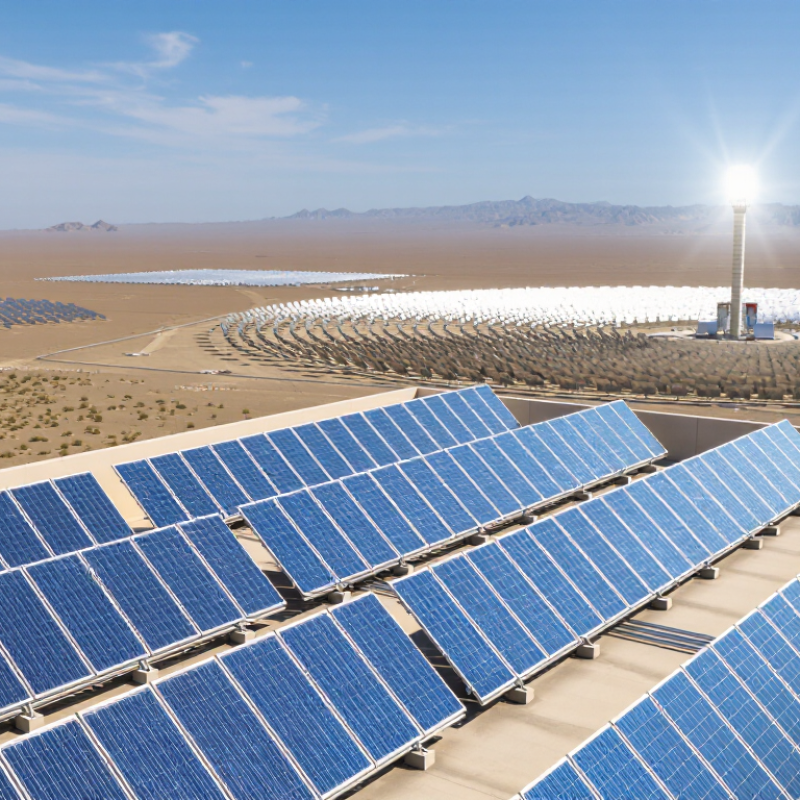
Solar energy begins with something familiar: sunlight crossing a rooftop, a field, or a quiet desert. Yet its journey from photon to usable electricity is not as simple as “sunlight in, power out.” Photovoltaic cells, usually made from silicon, absorb light and release electrons. An electric field then guides those electrons into a current. An inverter changes that direct current into alternating current for homes and businesses. This process happens silently, often within panels only a few millimeters thick.
Solar energy can also produce heat. Solar thermal systems concentrate or absorb sunlight to warm water or another working fluid. Engineers select each design according to climate, roof angle, energy demand, and available storage. In practical installations, performance changes with clouds, dust, shading, temperature, and seasonal sunlight. A panel may generate less power on a hot afternoon than many people expect. That detail matters. Reliable planning uses measured local data, certified equipment, professional installation, and regular inspections rather than optimistic estimates. Batteries can store surplus electricity, but they add cost, weight, and material demands. Solar power is cleaner during operation, yet manufacturing, transport, recycling, and land use still deserve honest attention. No energy source is perfect. This article explains how solar energy works, how its key technologies differ, and what evidence can help readers judge its benefits and limits.
What Solar Energy Is and Where It Comes From
Solar energy is radiant energy produced by the Sun. It begins deep inside the Sun, where nuclear fusion joins hydrogen atoms. This process releases enormous amounts of energy as light and heat. That energy travels through space and reaches Earth in about eight minutes. Some sunlight is reflected by clouds or absorbed by the atmosphere. The rest warms land, water, and living systems.
Solar panels capture part of this incoming light. In a photovoltaic cell, sunlight moves electrons through a semiconductor material. This movement creates direct-current electricity. An inverter changes it into alternating current for household equipment. I have seen small rooftop systems produce strong power on bright mornings. Their output falls when dust, shade, clouds, or snow covers the surface. Solar energy is not equally available everywhere.
Solar heat can also be used directly. Dark surfaces absorb sunlight and transfer heat to water or air. This principle supports water heating and building temperature control. Solar power works best when its design matches local sunlight, roof direction, and daily demand. Nighttime creates an obvious problem. Batteries or other power systems may store daytime electricity for later use. The simple story can hide these limits. More sunlight does not always mean more usable energy, especially during extreme heat, when equipment may become less efficient.
What Is Solar Energy and How Does It Work? - What Solar Energy Is and Where It Comes From
| Data Dimension | Key Fact or Value | Explanation |
|---|---|---|
| Definition | Radiant energy from the Sun | Solar energy is electromagnetic radiation produced by the Sun and transmitted through space as light and other wavelengths. |
| Ultimate Source | Nuclear fusion | In the Sun’s core, hydrogen nuclei fuse into helium. A small amount of mass is converted into energy, which eventually reaches the solar surface and radiates outward. |
| Energy Travel Time | About 8 minutes 20 seconds | Sunlight takes approximately 499 seconds to travel the average distance from the Sun to Earth, about 149.6 million kilometers. |
| Solar Radiation at the Top of Earth’s Atmosphere | About 1,361 W/m² | This is the approximate solar irradiance on a surface perpendicular to the Sun’s rays outside Earth’s atmosphere. It is commonly called the solar constant, although it varies slightly. |
| Main Radiation Types | Ultraviolet, visible, and infrared | Visible light is detectable by human eyes, ultraviolet radiation has shorter wavelengths, and infrared radiation is strongly associated with thermal energy. |
| What Happens in the Atmosphere | Reflection, absorption, and scattering | Clouds, gases, and particles reflect, absorb, or scatter part of the incoming radiation before it reaches Earth’s surface. |
| Photovoltaic Conversion | Light becomes direct-current electricity | Photovoltaic cells use semiconductor materials to release and move electric charges when photons transfer energy to electrons. |
| Electrical Conversion Path | Sunlight → DC electricity → AC electricity | A photovoltaic array produces direct current. An inverter converts that electricity into alternating current for many buildings and power networks. |
| Solar Thermal Conversion | Sunlight becomes heat | Solar thermal systems absorb radiation to heat water, air, or another working fluid for hot water, space heating, industrial processes, or electricity generation. |
| Energy Availability | Variable and location-dependent | Solar output changes with daytime, season, latitude, weather, shading, surface orientation, and the angle at which sunlight strikes a collector. |
| Peak Solar Resource | Strongest near midday under clear skies | Solar intensity is generally greatest when the Sun is highest in the sky, because sunlight passes through less atmosphere and arrives more directly. |
| Storage Options | Electrical and thermal storage | Batteries can store electricity, while hot-water tanks and other thermal systems can store heat for use when sunlight is unavailable. |
| Common Uses | Electricity, heating, cooling, and fuels | Solar energy can power buildings and equipment, heat water or air, support cooling systems, and provide energy for producing some synthetic fuels. |
| Environmental Characteristics | Renewable during human timescales | Sunlight is continually replenished by the Sun. Solar systems produce no combustion emissions while operating, although manufacturing, transport, installation, and end-of-life management have environmental impacts. |
Note: Values are approximate and can vary with atmospheric conditions, geographic location, season, system design, and measurement method.
Related Posts
-
2025 Top Solar Energy Trends: What You Need to Know for a Sustainable Future
-
What Are the Best Solar Electricity Systems in 2026?
-
Top 10 Solar Energy Tips for Homeowners to Save Money
-
2026 Best Solar Energy Innovations to Watch Out For?
-
How to Save Money Using Solar Energy for Your Business?
-
The Ultimate Guide to Maximizing Your Savings with Solar Electricity