Top Solar Solutions to Watch in 2025: Innovations and Trends
As the global demand for sustainable energy sources continues to rise, the solar solutions sector is poised for transformative innovations that will shape the industry's future. Experts in the field, such as Dr. Emily Chen, a leading solar energy researcher at the Renewable Energy Institute, have emphasized the importance of these advancements. Dr. Chen once stated, “The evolution of solar solutions is not just a technological journey, but a necessary pathway towards a sustainable future.”
In 2025, we can expect a surge of ground-breaking technologies designed to enhance the efficiency and accessibility of solar energy. As new materials and innovative designs emerge, solar solutions are anticipated to become more efficient and cheaper than ever before, making renewable energy a feasible option for a wider audience. Moreover, the integration of artificial intelligence and machine learning into solar technologies represents a pivotal shift that will allow for smarter energy management and improved system performance.
This article will explore the top solar solutions to watch in 2025, highlighting key innovations and trends that are set to revolutionize the market. By examining these advancements, we can better understand how solar solutions will contribute to our energy landscape and pave the way for a greener, more sustainable world.

Emerging Solar Technologies Transforming the Industry by 2025
The solar industry is on the brink of transformative changes driven by emerging technologies set to revolutionize the market by 2025. One of the most significant trends is the development of advanced photovoltaic materials. These next-generation solar cells, such as perovskite cells, promise higher efficiency rates and lower production costs. With ongoing research aimed at enhancing stability and scalability, these materials could significantly increase solar energy adoption by making installations more affordable and efficient.
Another noteworthy innovation is the integration of smart technologies into solar solutions. Intelligent energy management systems are being developed to optimize energy production and consumption. These systems can forecast energy needs, manage battery storage, and even coordinate with other renewable energy sources, ensuring a seamless energy experience. This technological synergy will not only improve the efficiency of solar systems but also contribute to a more sustainable energy grid, aligning with global efforts to reduce carbon emissions by transitioning to renewable sources.
The rise of solar tracking systems is also significant, as they allow solar panels to follow the sun across the sky, maximizing energy capture throughout the day. Coupled with advancements in artificial intelligence, these systems can dynamically adjust to weather variations and other environmental factors, further enhancing efficiency. As these innovations take root, they will not only change how solar energy is harnessed but will also pave the way for a more resilient and adaptable energy infrastructure.
Growth Projections for Solar Power Adoption and Market Expansion
As we look forward to 2025, the solar power industry is poised for significant growth, driven by increasing demand for renewable energy solutions. Advances in technology are making solar panels more efficient, affordable, and accessible. Analysts project that the global solar market will experience a compound annual growth rate (CAGR) exceeding 20% over the next few years. This expansion is largely fueled by government incentives aimed at reducing carbon emissions and promoting sustainable energy sources, making solar power a key player in the transition to a greener economy.
The adoption of solar energy is expected to penetrate new markets, particularly in developing regions where access to traditional energy sources is limited. Innovations such as solar-plus-storage systems are gaining traction, allowing consumers to store energy for use during peak hours or cloudy days. Additionally, the integration of smart technology into solar systems promises to enhance energy management and efficiency. These trends indicate that as solar technology continues to evolve, its market presence will not only grow but also diversify, reflecting a broader commitment to sustainability and energy independence worldwide.
Top Solar Solutions to Watch in 2025: Innovations and Trends
The following chart illustrates the projected growth of solar power adoption and market expansion from 2023 to 2025, based on various innovations and trends in the solar industry.
Innovative Solar Panel Designs Enhancing Efficiency and Aesthetics
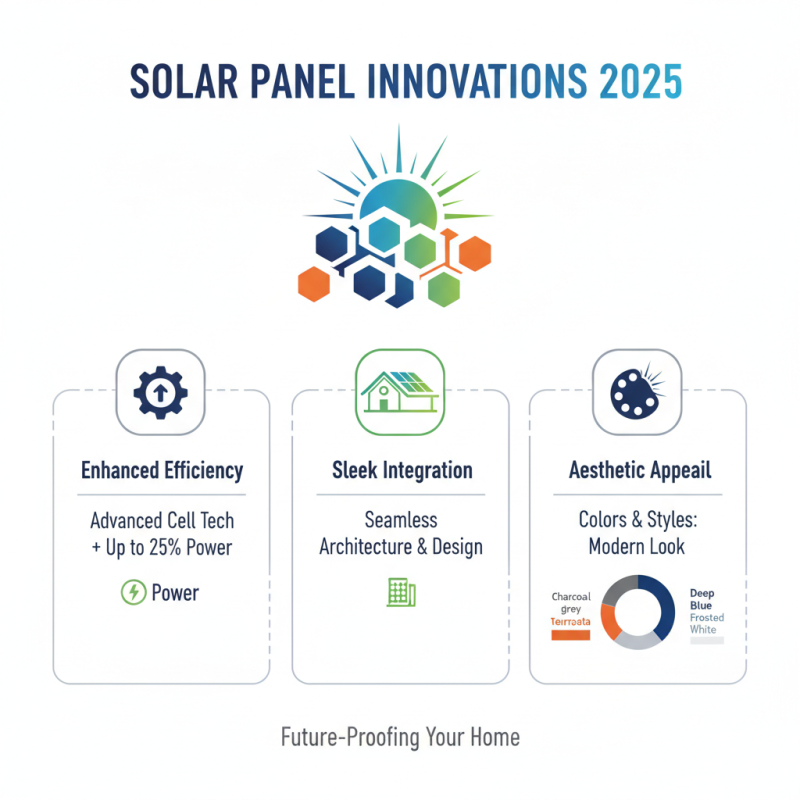
As we look towards 2025, the solar industry is witnessing a remarkable transformation in panel design that not only enhances efficiency but also elevates aesthetic appeal. Innovative approaches in solar panel technology are leading to sleeker, more integrated solutions that blend seamlessly with modern architecture. These panels now come in a variety of colors and styles, allowing homeowners to choose options that complement their building's exterior rather than disrupt it.
Furthermore, advancements in materials and manufacturing processes are enabling higher energy conversion rates in smaller, more compact designs. These innovations not only improve the overall performance of solar panels but also make them more visually appealing. Transparent and lightweight panels are emerging, allowing natural light to filter through while still generating electricity, marking a significant step forward in architectural design. As these designs continue to evolve, the adoption of solar energy is likely to become more mainstream, making sustainability an integral part of everyday life without sacrificing aesthetics.
The Role of Energy Storage Solutions in Solar System Performance
As the solar energy sector continues to evolve, energy storage solutions play a crucial role in maximizing the performance and efficiency of solar systems. According to a recent report by the International Renewable Energy Agency (IRENA), the global energy storage market is projected to grow significantly, with estimates suggesting that the installed capacity could reach over 1,400 gigawatt-hours (GWh) by 2030. This demand is largely driven by the increasing need for reliable energy supply and the integration of renewable sources into the energy grid.
Energy storage systems, such as batteries, allow for better management of solar energy production and consumption. They enable the storage of excess energy generated during sunny periods, which can then be utilized during hours of low sunlight or peak demand times. A report from Wood Mackenzie highlights that the combination of solar photovoltaics (PV) and energy storage can enhance self-consumption rates by up to 80%, significantly improving the overall efficiency of solar installations. This synergy not only alleviates strain on the grid but also helps consumers reduce their reliance on fossil fuels, contributing to a more sustainable energy landscape.
Moreover, advancements in battery technologies, including lithium-ion and solid-state batteries, are further enhancing the performance of energy storage solutions. According to BloombergNEF, lithium-ion battery prices have dropped by nearly 90% since 2010, making them more accessible and affording greater opportunities for both residential and commercial solar applications. In 2025, we can expect to see continued innovation in energy storage systems, paving the way for more resilient and efficient solar solutions that can adapt to the changing dynamics of energy consumption and generation.
Impact of Government Policies on Solar Energy Trends in 2025
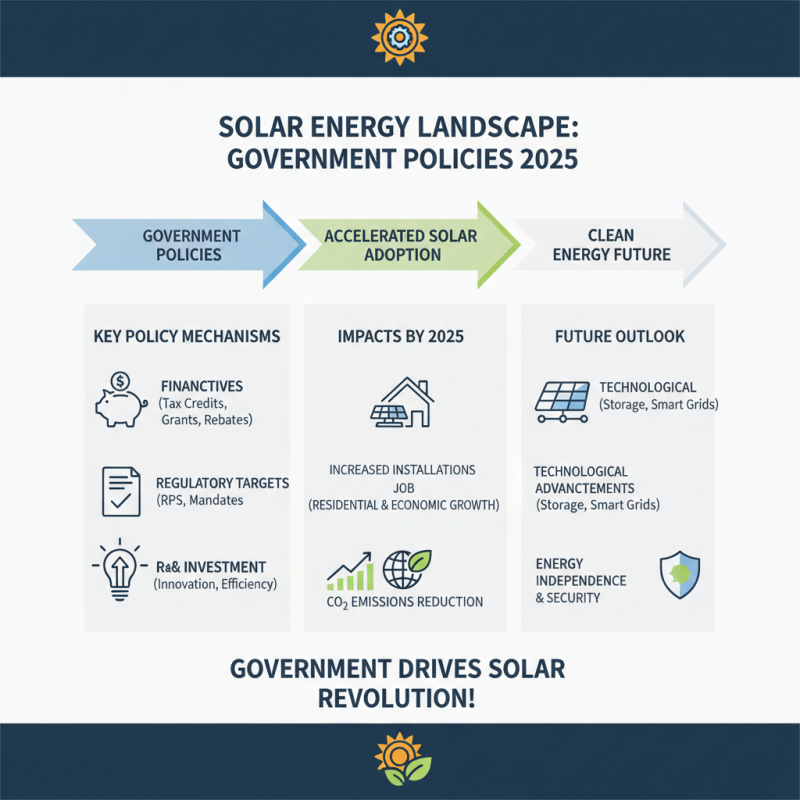
Government policies play a crucial role in shaping the landscape of solar energy, particularly as we approach 2025. With increasing global emphasis on renewable energy, many governments are implementing ambitious targets for solar adoption. Such policies often include financial incentives like tax credits, grants, and rebates for both residential and commercial solar installations. By supporting these initiatives, governments not only stimulate demand but also drive innovation within the solar market, paving the way for advanced technologies and more efficient systems.
In addition to financial incentives, regulatory frameworks are evolving to promote solar integration into existing energy infrastructures. This includes simplifying permitting processes and enhancing grid access for solar energy producers. As a result, solar energy systems can be deployed more quickly and at a lower cost. Furthermore, international agreements aimed at reducing carbon emissions are pushing nations to reconsider energy policies, making solar energy a focal point for future energy strategies. As these trends unfold, the interaction between governmental policy and solar energy innovation will likely create an environment rich with opportunities for growth and transformation in the industry.