
In recent years, the role of solar energy contractors has become pivotal in the transition towards sustainable living and energy efficiency. According to the U.S. Solar Energy Industries Association, the solar industry has grown by over 167% in the past decade, demonstrating a significant shift in consumer preferences towards renewable energy sources. By leveraging innovative technologies and tailored solutions, solar energy contractors help homeowners not only to reduce their carbon footprint but also to lower energy costs. A report from the National Renewable Energy Laboratory indicates that residential solar installations can reduce electricity bills by up to 70%, showcasing the tangible financial benefits of such investments. As we explore how solar energy contractors are transforming homes into energy-efficient sanctuaries, it becomes clear that embracing solar technology is not just an environmental imperative but a strategic economic choice for homeowners.
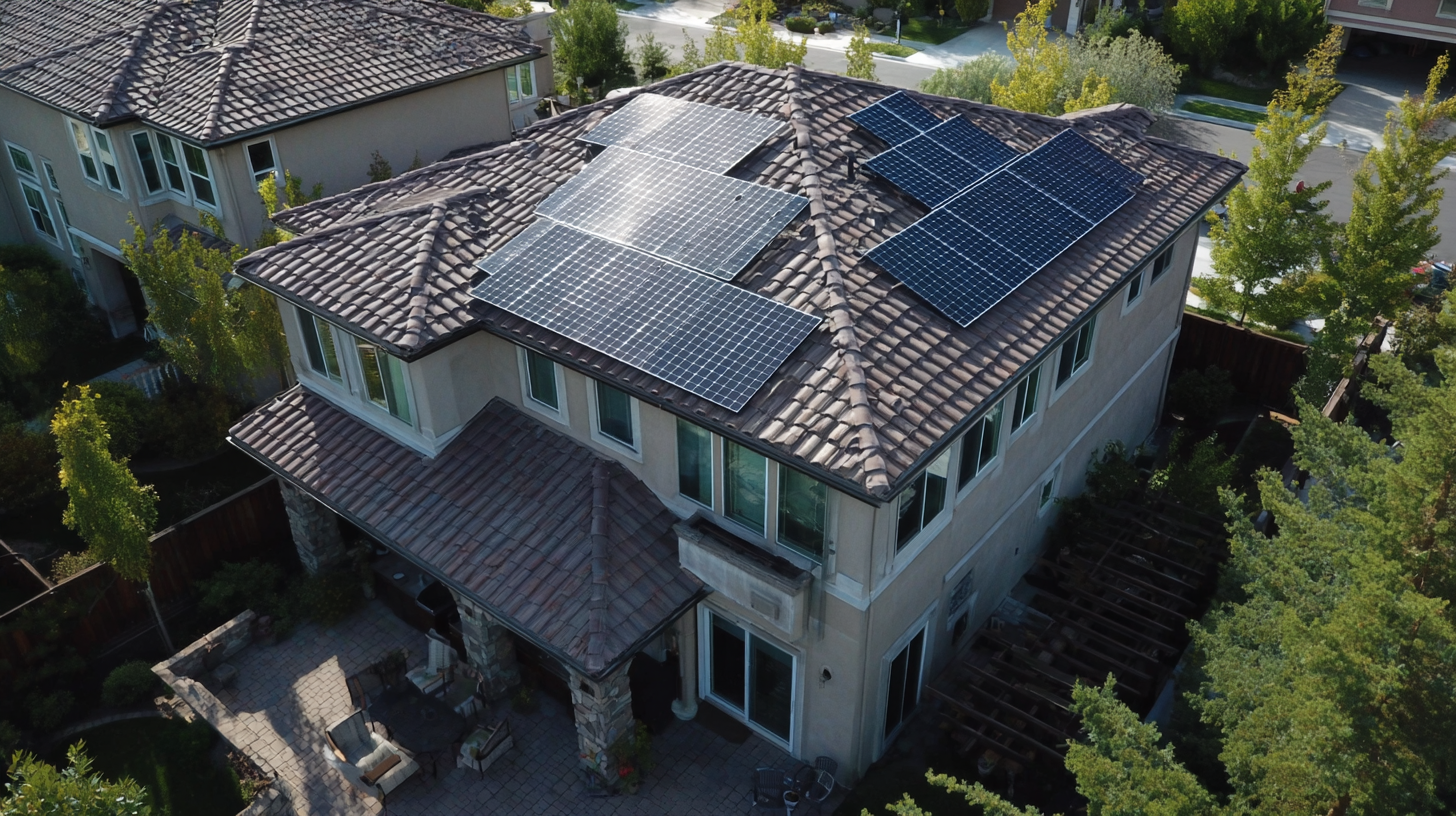
Solar energy installation is increasingly recognized as a transformative investment for homeowners seeking to enhance their property’s efficiency while reaping economic benefits. According to a report by the U.S. Department of Energy, homes equipped with solar energy systems can see a reduction in energy bills by 50% or more, depending on local energy costs and system size. This significant savings stems from the renewable energy generated on-site, reducing reliance on traditional energy sources and minimizing monthly utility expenditures.
Moreover, the economic advantages extend beyond mere energy savings. The National Renewable Energy Laboratory (NREL) notes that solar installations can increase a home's resale value by an average of $15,000. This uplift in property value is increasingly appealing to homebuyers who are prioritizing energy efficiency and sustainability.
As more homeowners turn to solar energy solutions, the industry continues to expand, bringing greater job opportunities and driving down installation costs. With state and federal incentives available, the upfront investment becomes even more attractive, encouraging families to embrace cleaner energy and improve their homes' overall efficiency.
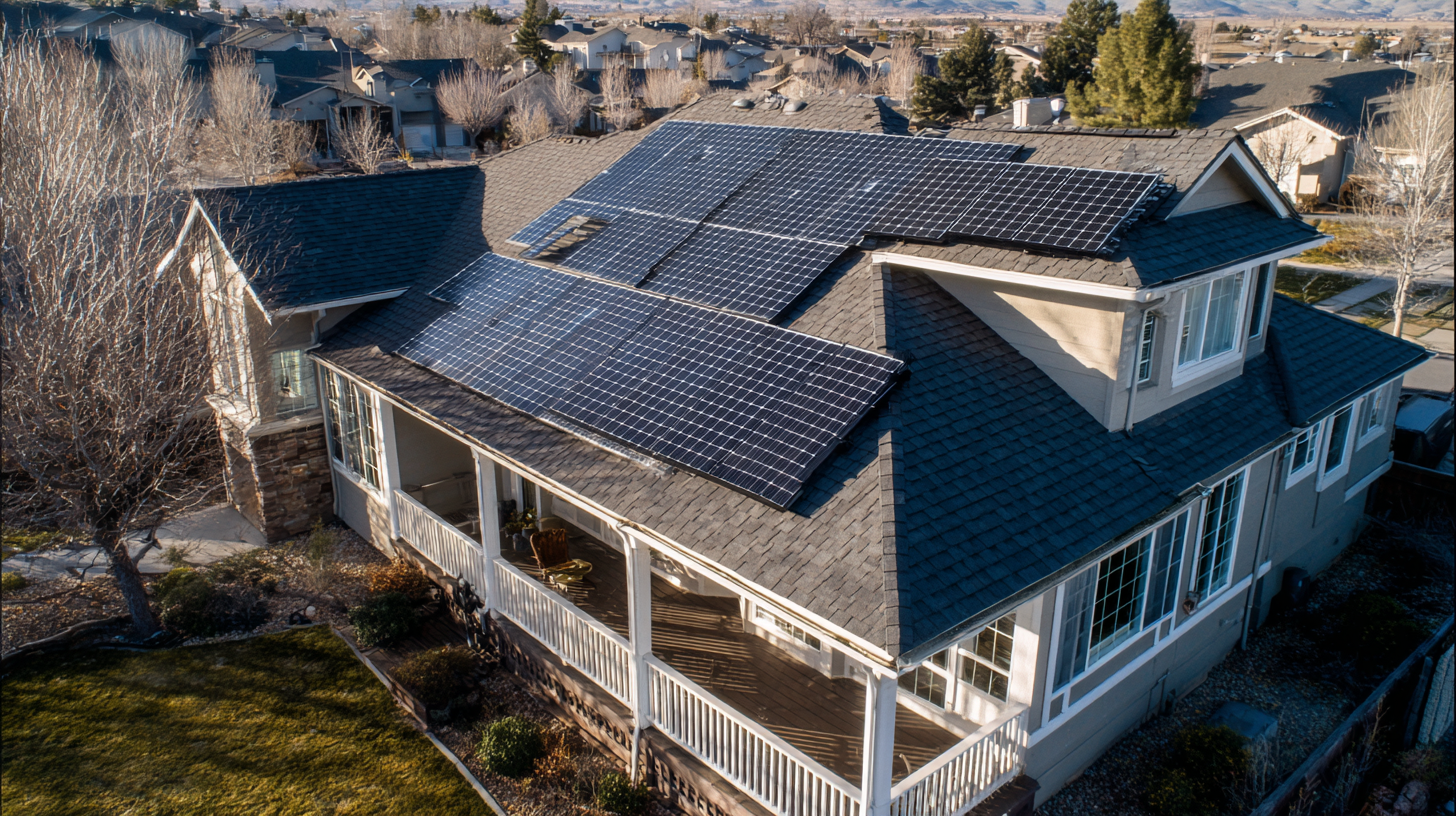
Energy audits are a crucial step in maximizing the efficiency of your solar energy system. By assessing your home’s energy consumption, you can identify areas for improvement that will enhance the overall performance of your solar installation. Typically, an energy audit involves a thorough inspection of your home, including checking insulation levels, air leaks, and the efficiency of heating and cooling systems. Understanding these factors enables you to make informed decisions and optimize your energy usage.
Tip: Consider scheduling an energy audit before installing solar panels. This proactive approach can uncover inefficiencies that may otherwise be overlooked, ensuring that your solar system works in tandem with your home's energy demands.
Moreover, during the audit, homeowners can receive tailored recommendations to improve energy efficiency. This can include upgrades like smart thermostats, energy-efficient appliances, or enhanced insulation. Implementing these suggestions not only helps in increasing the ROI of your solar investment but also contributes to a more sustainable lifestyle.
Tip: Engage with your auditor to ask specific questions about potential improvements. The more details you gather, the better equipped you’ll be to enhance your home’s efficiency before and after going solar.
The Role of Solar Contractors in Enhancing Residential Energy Savings
Solar energy contractors play a pivotal role in accelerating residential energy savings through tailored solar solutions. According to the U.S. Department of Energy, the installation of solar systems can reduce electricity bills by an average of 50% to 70%, significantly easing the financial burden on homeowners. By assessing individual energy needs and local solar conditions, these contractors can design customized systems that optimize energy efficiency, enabling households to harness renewable energy effectively.
**Tip:** When considering solar installation, ensure that your contractor offers a thorough energy audit. This evaluation identifies specific energy-saving opportunities in your home, which maximizes the benefits of solar power and can lead to greater savings.
Furthermore, the expertise of solar contractors extends to recommending energy-efficient appliances and home improvements. The National Renewable Energy Laboratory states that integrating energy-efficient practices alongside solar installations can lead to an overall reduction in energy consumption by up to 30%. This holistic approach not only reinforces the financial savings but also enhances the sustainability of the home.
**Tip:** Always ask your solar contractor about potential incentives, such as federal tax credits or state programs, which can further mitigate installation costs and improve the return on investment for solar energy systems.
| Aspect | Details |
|---|---|
| Average Solar Panel Efficiency | 15% - 22% |
| Typical Installation Cost | $15,000 - $30,000 |
| Payback Period | 6 - 10 years |
| Average Monthly Savings | $100 - $200 |
| Environmental Impact | Reduces carbon footprint by approximately 3 - 6 tons/year |
| Incentives Available | Tax credits, rebates, and local grants |
| Maintenance Cost | $150 - $300 annually |
The transition from traditional energy sources to solar energy has become increasingly advantageous, particularly in terms of cost savings. Recent reports indicate that solar energy has emerged as the most cost-effective power source in many countries, surpassing even hydroelectric power in installed capacity as of 2023. This shift is primarily driven by advancements in photovoltaic technology and market scalability, enabling homeowners to reduce their energy bills significantly while also contributing to a sustainable environment.
A comparative analysis reveals that solar energy not only lowers utility costs but also shields consumers from the volatility associated with fossil fuel prices. As traditional energy sources face fluctuating costs and regulatory pressures, solar energy offers a stable and predictable alternative. The growing adoption of solar systems underscores their role in promoting energy independence, fostering economic growth, and enhancing home efficiency, ultimately transforming how we perceive and utilize energy in our daily lives.
Investing in solar energy not only boosts a home's efficiency but also significantly enhances its market value. According to a report from the National Renewable Energy Laboratory (NREL), homes with solar energy systems can sell for an average of $15,000 more than comparable homes without solar. This increase is attributed to the growing awareness and demand for green energy solutions among homebuyers, who often prioritize sustainability in their purchasing decisions.
Moreover, a study from the Lawrence Berkeley National Laboratory found that solar panels can increase a property's resale value by an average of approximately 4% for homes in sunny regions, where solar energy is particularly effective. As more consumers become environmentally conscious, the inclination to invest in homes with solar capabilities rises, making these properties more attractive in the real estate market.
Consequently, homeowners who leverage solar energy not only reduce their carbon footprint but also secure a substantial financial return when it’s time to sell.