Top 10 Benefits of Using a Cooling Tower for Efficiency?
cooling towers are essential in many industrial processes, enhancing efficiency and sustainability. These structures facilitate heat removal from equipment and processes, ensuring optimal operation. By using a cooling tower, facilities can significantly reduce energy costs, making them an intelligent choice for many businesses.
Moreover, cooling towers improve the longevity of machinery. They control the temperatures, preventing overheating and wear. This also reduces maintenance efforts, a critical aspect for operations that rely on continuous performance. However, it's important to choose the right design and size for maximum effectiveness.
Many industries have benefited from integrating cooling towers into their systems. Yet, challenges still exist, such as water quality and environmental impact. Addressing these issues is necessary for long-term sustainability. Ultimately, understanding the benefits of cooling towers brings insights into their role in energy efficiency.
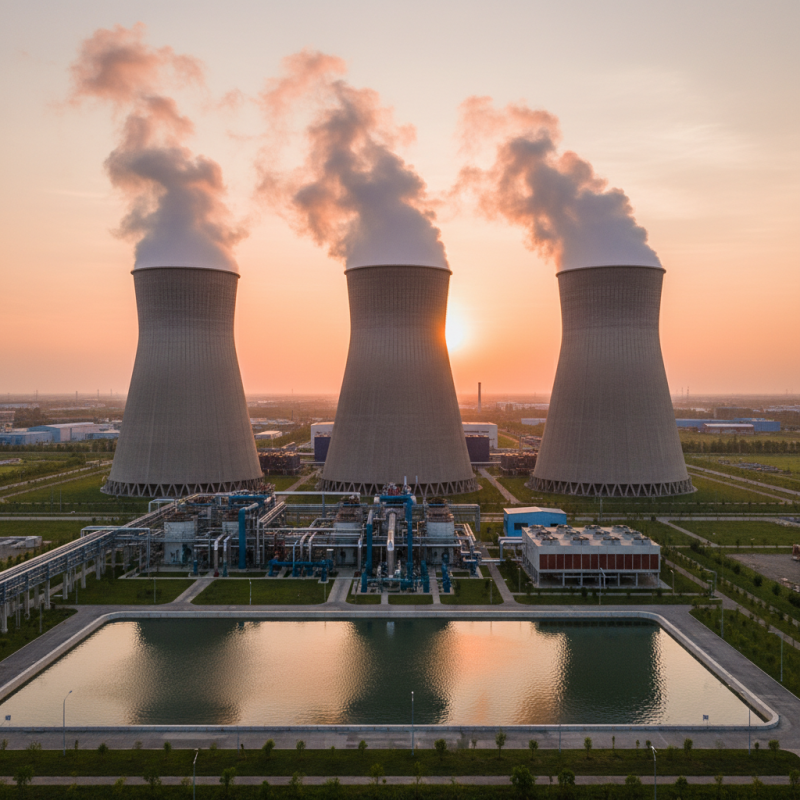
Benefits of Enhanced Energy Efficiency in Cooling Systems
Cooling towers offer significant benefits for energy efficiency in various systems. By utilizing evaporative cooling, they reduce the temperature of water circulating through HVAC systems. This process lowers the energy required for refrigeration. A well-maintained cooling tower can enhance system performance, helping facilities save on rising energy costs.
However, achieving peak efficiency isn’t always straightforward. Regular maintenance is crucial; neglecting it can lead to inefficiencies. Pipe clogs and scale buildup restrict flow, creating extra energy demand. Observing such issues requires diligence and routine checks. Many facilities miss these details, potentially resulting in operational inefficiencies. The rewards of improved energy use are clear, but they come with a commitment to maintenance. Systems left unattended can quickly undo efficiency gains.
Investing in a cooling tower should also factor in environmental conditions. Locations with higher humidity may impact performance, complicating efficiency. Operators must be prepared to adapt their systems accordingly. Addressing these challenges ensures a cooling tower’s potential is fully realized. With proper attention, the advancements in energy efficiency can transform operational costs, ultimately benefiting the bottom line.
Top 10 Benefits of Using a Cooling Tower for Efficiency
Reduction of Water Usage in Industrial Processes
Cooling towers are essential in industrial processes, particularly for their ability to reduce water usage. By effectively dissipating heat, these systems enable facilities to recycle water. This process minimizes the need for fresh water from external sources. Reducing water intake can save both costs and resources, which is particularly important in regions with water scarcity.
Implementing a cooling tower requires careful planning. It's crucial to monitor water quality regularly. Poor water quality can impact efficiency. Regular maintenance is also necessary. Leaks or blockages can create problems. Addressing these issues proactively ensures that the system runs smoothly.
Consider alternative cooling solutions. Some industries may find hybrid systems more efficient. Balancing evaporation and alternative methods can optimize water use. Also, train staff to identify potential inefficiencies. Encouraging a culture of awareness can yield significant benefits. Small adjustments can lead to substantial savings.
Improvement of Equipment Lifespan through Temperature Regulation
Cooling towers are essential for improving equipment lifespan through effective temperature regulation. By dissipating heat from processes, they help maintain optimal operating temperatures. This prevents overheating and reduces wear on machines. Proper temperature control can lead to significant cost savings and enhanced functionality.
Tips: Regular maintenance is crucial. Ensure that cooling towers are clean and functioning efficiently. Blockages can trap heat, leading to increased temperatures. Monitor temperatures regularly, as unexpected spikes may indicate underlying issues.
It’s important to note that not all cooling towers function equally. Some may struggle under heavy loads or high ambient temperatures. This can lead to inefficiencies. Investing in regular assessments can help identify potential weaknesses. Adjusting the system may improve performance and longevity, saving on replacement costs in the long run.
Contribution to Environmental Sustainability and Reduced Carbon Footprint
Cooling towers play a crucial role in improving energy efficiency in various systems. They help maintain optimal temperatures, which leads to less energy consumption. This directly supports environmental sustainability by cutting the demand for fossil fuels. Reducing carbon footprints becomes a natural outcome when energy savings are maximized.
Here’s a tip: regular maintenance of cooling towers can significantly enhance their performance. Cleaning the system and checking for leaks ensures optimal operation. Sometimes, neglecting small issues can lead to larger problems later on. Pay attention to the water quality too. Poor water conditions can decrease efficiency and increase emissions.
Another point to consider is water usage. Cooling towers rely on water evaporation for cooling, which raises concerns in dry regions. Strive for systems that recycle or use less water. This reduces both consumption and environmental impact. Evaluate local water availability before installation. It’s essential to balance savings with resource management.
Cost Savings from Optimized Operation and Maintenance of Cooling Towers
Cooling towers play a crucial role in enhancing efficiency. One key advantage is how they can optimize operational costs. By improving heat exchange processes, they reduce the energy needed for cooling. An efficiently running cooling tower consumes less water, which translates to lower utility bills.
Maintaining a cooling tower requires attention. Regular inspections and cleaning tasks can prevent malfunctions. Yet, many facilities neglect this aspect. This oversight can lead to increased downtime and unexpected repair costs. It's vital to address these maintenance needs proactively.
Cost savings don’t just happen on their own. They require strategic operation planning. Analyzing performance data allows for better decision-making. Investing time in this analysis can prevent future financial pitfalls. However, many organizations fail to harness this potential. Ignoring these details can impact long-term efficiency and sustainability.