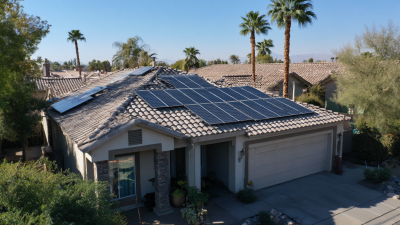
Top Energy Solutions to Watch in 2025: Innovations for a Sustainable Future
As we move toward a more sustainable future, the landscape of energy solutions is evolving at an unprecedented pace. According to Dr. Emily Carter, a leading expert in renewable energy technologies, "The innovations in energy solutions we are witnessing today will redefine our commitment to sustainability and efficiency by 2025." This statement underscores the urgent need for innovative approaches to energy management and consumption.
The year 2025 is expected to be a pivotal moment in the energy sector, marked by breakthroughs that not only address environmental concerns but also enhance economic viability. From advancements in solar and wind energy to the development of energy storage and smart grid technologies, the energy solutions of tomorrow promise to create a more resilient and sustainable infrastructure. As industries adapt and respond to the challenges posed by climate change, the integration of cutting-edge technologies will be vital in shaping the future of energy.
In this exploration of the top energy solutions to watch in 2025, we will delve into the transformative innovations that are set to revolutionize the way we produce, distribute, and consume energy. By focusing on sustainability and efficiency, these solutions will not only empower communities but also contribute to the global effort of mitigating climate change, paving the way for a brighter, greener future.
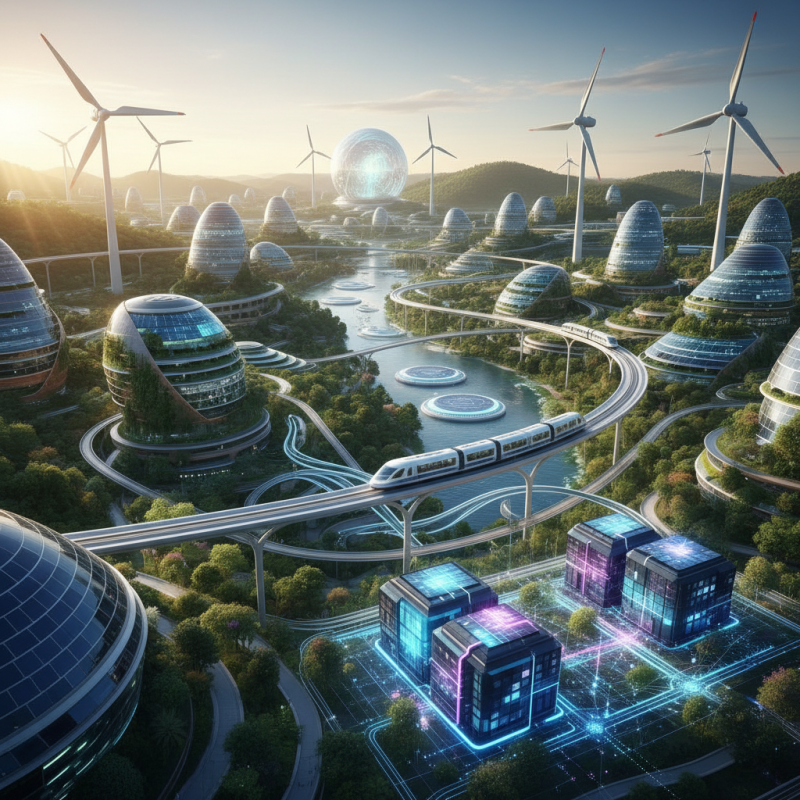
Key Trends in Energy Innovations Shaping 2025
The energy landscape is steadily evolving, with several key trends set to redefine the sector by 2025. One prominent trend is the acceleration of renewable energy adoption, driven by advancements in technology and a growing societal emphasis on sustainability. Solar and wind energy installations are projected to see significant growth, supported by innovations in energy storage solutions. These advancements not only improve the efficiency of energy capture but also ensure that renewable sources can provide consistent power even during low generation periods.
Another critical trend is the rise of decentralized energy systems. Microgrids and on-site energy generation are gaining traction, allowing communities to rely less on traditional centralized power plants. This shift fosters resilience against natural disasters and energy shortages while empowering consumers to have greater control over their energy sources. Additionally, smart grid technologies are enhancing the management and distribution of energy resources, optimizing consumption patterns, and incorporating real-time data analytics to drive efficiency and reliability.
Moreover, there is an increasing focus on electrification and the integration of electric vehicles into the broader energy ecosystem. As the automotive sector shifts toward electric mobility, the demand for charging infrastructure will surge, prompting the development of innovative solutions for energy management in transportation. This trend is expected to also encourage the creation of energy-efficient systems that support not just vehicles, but also the transition to a circular economy through improved resource use and waste reduction, paving the way for a truly sustainable energy future.
Top Energy Solutions to Watch in 2025
This chart illustrates the projected growth of various energy solutions by 2025. The data shows the anticipated percentage increase in adoption and innovation for each energy solution over the next few years.
Emerging Renewable Energy Technologies for Sustainable Solutions
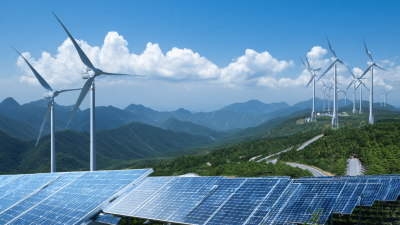
Emerging renewable energy technologies are paving the way for a sustainable future, and several innovations are gaining momentum as we approach 2025. One of the most promising areas of development is solar energy, particularly in the form of advanced photovoltaic cells. These next-generation solar panels are designed to improve energy efficiency and reduce production costs, making solar power more accessible and effective. Moreover, the incorporation of solar technology into building materials and urban infrastructure is enhancing energy generation capabilities while promoting eco-friendly designs.
In addition to solar energy, wind power continues to evolve with advancements in turbine technology. Innovations in design and materials are increasing the efficiency and lifespan of wind turbines, allowing them to harness energy from lower wind speeds. Offshore wind farms are also emerging as crucial contributors to renewable energy, taking advantage of stronger and more consistent winds at sea. Furthermore, energy storage solutions, such as next-gen batteries and hydrogen fuel cells, are critical in addressing the intermittency of renewable energy sources. These technologies will not only enable a more reliable energy supply but will also play a vital role in integrating various renewable systems to ensure a sustainable energy network for the future.
Top Energy Solutions to Watch in 2025: Innovations for a Sustainable Future
| Technology |
Description |
Projected Impact |
Key Benefits |
Status |
| Solar Photovoltaics (PV) |
Converting sunlight directly into electricity using semiconductor materials. |
Leading to a significant reduction in carbon emissions. |
Low operating costs, scalability, and rapidly decreasing installation costs. |
Widely adopted with continuous innovation in efficiency. |
| Offshore Wind Energy |
Utilizing wind turbines located in ocean waters to generate electricity. |
Strong potential to deliver clean energy to coastal regions. |
Higher energy yields, fewer land use conflicts, and significant CO2 reduction. |
Growing projects and technological advancements are underway. |
| Energy Storage Solutions |
Technologies for storing energy for later use, such as batteries and pumped hydro. |
Critical for balancing supply and demand in renewable energy systems. |
Enhances grid reliability and reduces energy costs for consumers. |
Rapidly evolving with declining costs and improved efficiencies. |
| Hydrogen Fuel Cells |
Converting hydrogen into electricity, with water as the only by-product. |
Potential to decarbonize transport and heavy industries. |
High energy efficiency, quick refueling, and zero emissions. |
Emerging technology with significant investment and research interest. |
| Bioenergy with Carbon Capture |
Using organic materials for energy and capturing emitted CO2. |
Can potentially result in negative emissions. |
Utilizes existing waste and contributes to carbon neutrality. |
In early stages but shows promise for sustainable energy future. |
Advancements in Energy Storage Systems and Their Impact
Advancements in energy storage systems are critical for driving the transition to a
sustainable energy future. According to a report by the
International Energy Agency (IEA), the global energy storage market is expected to reach
1,095 GW by 2025, which represents an annual growth rate of about 25%.
This growth is fueled by the increasing demand for renewable energy sources, which require efficient storage solutions to
mitigate the intermittency issues associated with solar and wind power. Enhanced battery technologies, such as solid-state
and flow batteries, are anticipated to play a vital role in this transformation, offering higher efficiency,
longer life cycles, and improved safety over traditional lithium-ion batteries.
In addition to technological advancements, energy storage systems also provide significant economic benefits. A
study from Bloomberg New Energy Finance indicates that the levelized cost of
energy storage is projected to decline by 52% by 2030. This reduction in costs
will not only make clean energy more competitive with fossil fuels but will also incentivize greater investment in
renewable projects. Furthermore, energy storage provides grid stability and reliability, enabling utilities to better
manage peak demand and lower electricity costs for consumers. The integration of advanced energy storage solutions is
set to redefine how energy is produced, stored, and consumed, ultimately fostering a cleaner, more resilient energy ecosystem.
The Role of Smart Grids in the Future Energy Landscape
In the evolving landscape of energy solutions, smart grids are emerging as a cornerstone for a sustainable future. These intelligent networks manage electricity demand in real-time and enhance the efficiency of power distribution. Smart grids incorporate advanced technologies such as sensors, automation, and data analytics, enabling a two-way communication between utilities and consumers. This system not only facilitates the integration of renewable energy sources, such as solar and wind, but also empowers consumers to monitor and manage their energy usage, leading to significant cost savings and reduced environmental impact.
Tips for embracing smart grid technology:
- Invest in energy-efficient appliances.
- Become an active participant in energy management.
- Utilize smart meters for insights into energy consumption patterns.
Homeowners can benefit from smart meters that offer insights into energy consumption patterns, allowing them to adjust usage during peak hours. By adopting these technologies, consumers can help foster a more resilient energy ecosystem. Furthermore, communities can collaborate with local authorities to promote infrastructure upgrades that enhance the smart grid's effectiveness, ensuring that energy is harnessed and distributed more sustainably.
As we look ahead to 2025, the role of smart grids will likely expand, driven by innovations aimed at addressing climate change and energy security. Stakeholders from various sectors must engage in dialogue and collaboration to fully leverage the potential of smart grids and ensure a greener, more sustainable future for everyone.
Integration of Artificial Intelligence in Energy Management Systems
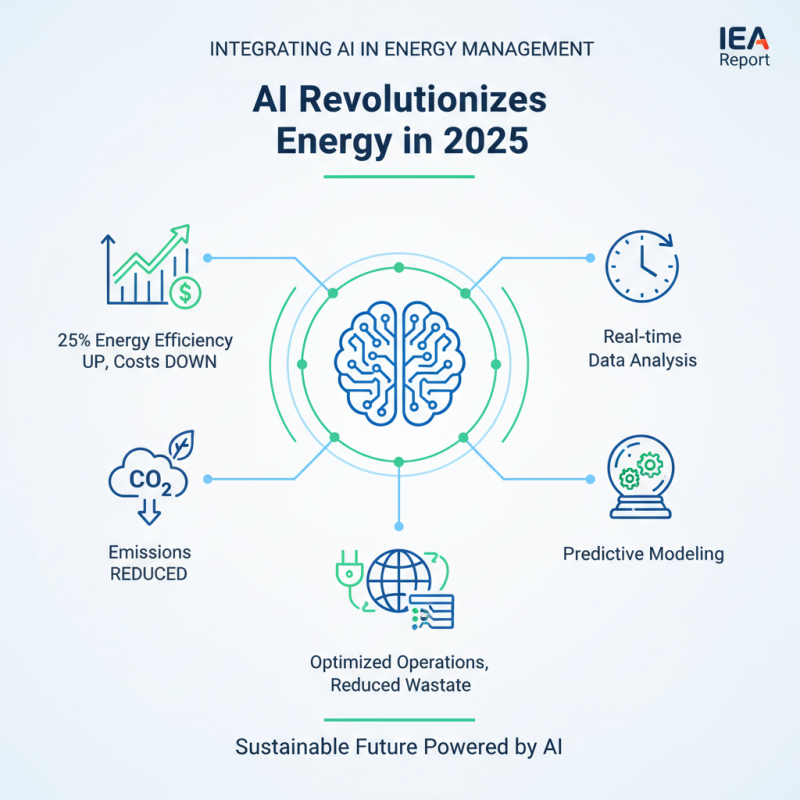
The integration of Artificial Intelligence (AI) in energy management systems is poised to revolutionize the way we approach energy consumption and sustainability in 2025. AI technologies enable real-time data analysis and predictive modeling, allowing energy providers to optimize their operations and reduce wastage. According to a report by the International Energy Agency (IEA), AI-driven systems could improve energy efficiency by up to 25%, significantly lowering costs and emissions across sectors.
In this landscape, advanced algorithms analyze usage patterns and forecast demand more accurately, which is essential for balancing supply and demand in increasingly complex energy grids. The U.S. Department of Energy highlights that implementing AI systems could lead to a potential savings of around $30 billion annually in operational costs for utilities. Furthermore, AI facilitates the integration of renewable energy sources by predicting availability and optimizing dispatch, thereby enhancing grid stability and reliability.
As AI continues to evolve, its role in energy management will grow, fostering innovations that not only reduce carbon footprints but also enhance energy accessibility. By harnessing the power of AI, stakeholders in the energy sector can make informed decisions, ensure efficient resource allocation, and pave the way for a more sustainable future. The synergy between AI and energy management systems marks a significant step toward achieving global energy transition goals.