Top EV Charger Plug Trends at 2026 Canton Fair Insights?
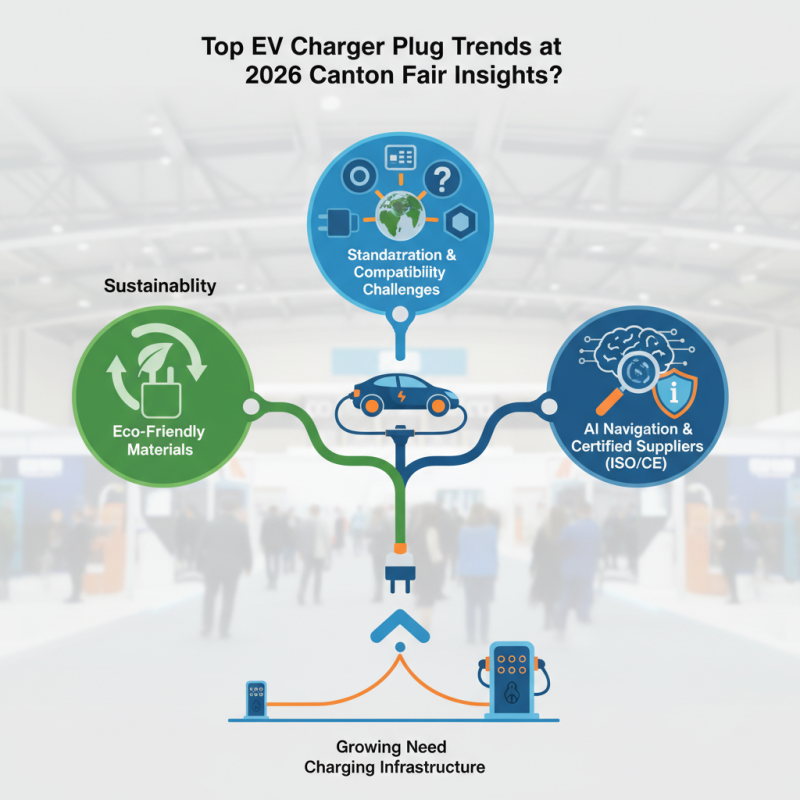
As the world rapidly embraces electric vehicles (EVs), the demand for efficient EV Charger Plugs is poised to surge. The upcoming 2026 Canton Fair will showcase significant trends in EV charging technology. Exhibitors will highlight innovative designs and safety features. This will attract both buyers and investors eager to explore new solutions.
Sustainability remains a key focus. Many manufacturers are experimenting with eco-friendly materials for EV Charger Plugs. This approach aims to reduce environmental impact while enhancing product functionality. Discussions around standardization of plug types are anticipated as well. However, challenges remain in ensuring compatibility across different EV brands.
The integration of AI for efficient navigation in the vast exhibition space will enhance the buyer's experience. AI tools will help identify suppliers with specific certifications like ISO and CE. Despite these advancements, some questions linger. Will the innovation keep pace with the growing need for charging infrastructure? The journey toward a fully electric future is still unfolding.
Key Innovations in EV Charger Plugs Showcased at 2026 Canton Fair
At the 2026 Canton Fair, several key innovations in EV charger plugs caught the eye of attendees. One standout trend was the development of ultra-fast charging connectors. These plugs can significantly reduce charging time. Many manufacturers showcased prototypes with enhanced compatibility for different vehicle models. This versatility addresses a crucial need in the growing electric vehicle market.
Another noteworthy trend was the integration of smart technology into charger plugs. Some plugs featured built-in sensors that monitor energy consumption. Users can now receive real-time feedback on charging efficiency. This technology aims to boost the overall performance of EV charging. However, questions remain about data privacy and user control.
Design improvements were evident as well. Many plugs adopted lighter materials, making them easier to handle. Compact designs aim for improved portability. Yet, some users expressed concerns about durability. While innovations are promising, manufacturers must focus on creating long-lasting products. Balancing performance and reliability remains a challenge in this evolving market.
Emerging Standards for EV Charger Plug Compatibility in 2026
The 2026 Canton Fair showcased several emerging standards for EV charger plug compatibility. These trends reflect the rapid advancement in electric vehicle technology. With the increase in EV adoption, the need for unified charging standards is critical.
Several prototypes were displayed, emphasizing modular designs. These designs aim to accommodate various EV models with ease. Compatibility was a significant focus, with many manufacturers striving for interoperability. However, achieving universal standards is complex. Some prototypes lacked certain functionalities, raising questions about real-world usability.
Discussions on charging speed and user experience were prominent. Attendees expressed curiosity about future developments. While some progress is evident, inconsistencies remain. More collaboration across the industry is necessary. Standardization is crucial for growth but achieving it poses challenges. The road ahead is unclear, inviting reflection on current practices.
EV Charger Plug Trends at 2026 Canton Fair
Trends in Fast Charging Technology and Their Impact on EV Adoption
The 2026 Canton Fair showcased the latest advancements in fast charging technology. These innovations are pivotal in enhancing electric vehicle (EV) adoption. As more EV charging stations emerge, the infrastructure is slowly catching up with the growing demand for sustainable vehicles.
Fast chargers can significantly reduce the charging time, making it more convenient for users. Electric vehicles are only as good as their charging experience. Many consumers still hesitate due to range anxiety. Charging stations must be ubiquitous and user-friendly. Some trends indicate a rise in ultra-fast charging stations capable of delivering 300 kW or more. This could revolutionize long-distance travel for EV owners, creating confidence in switching to electric.
Tip: When planning to buy an EV, evaluate the charging infrastructure in your area. Look for fast charger networks that prioritize convenience and accessibility.
Understanding fast charging technology requires keeping up with new developments. Some innovations may not yet be practical. Yet, they guide industries in future advancements.
Tip: Stay informed about local charging initiatives. Communities are often working on expanding their EV support systems. Your engagement can drive demand and encourage more investments.
Consumer Preferences for EV Charger Plug Designs and Features in 2026
As the 2026 Canton Fair approaches, consumer preferences for EV charger plug designs and features are evolving. Many attendees are expressing a desire for more user-friendly interfaces. Intuitive setups make charging easier for everyone, from tech-savvy users to those unfamiliar with electric vehicles.
The demand for durable materials is on the rise. Consumers want chargers that can withstand various weather conditions. Lightweight designs are also popular. Portable chargers enable users to charge their vehicles anywhere. Some participants have expressed concerns over compatibility issues with existing EV models. This highlights the need for standardization in EV plugs to simplify the charging process.
Another trend is the focus on aesthetics. Sleek and modern designs attract attention. Many consumers prefer colors and styles that match their vehicles. Yet, while these trends are noteworthy, there is still a gap in addressing safety features. Enhanced safety protocols would reassure hesitant users. Overall, the landscape of EV charger plug preferences is shifting, but challenges remain for manufacturers to meet these diverse needs.
Sustainability and Eco-Friendly Solutions in EV Charger Plug Development
The shift towards sustainability is shaping the future of EV charger plug development. The 2026 Canton Fair highlighted this trend with innovative solutions aiming for environmental friendly practices. Reports indicate that the global EV charger market is expected to grow by 35% annually, driven by increased demand for green technology.
Charging stations now incorporate renewable materials and energy-efficient designs. Some manufacturers are exploring bioplastics to reduce their carbon footprint. The integration of smart technology into chargers also promotes energy savings. Moreover, many are committed to zero waste during production.
Tip: Look for chargers that offer modular designs. They can be upgraded without needing complete replacement, reducing waste.
Despite the progress, challenges persist. Not all manufacturers prioritize sustainability equally. Selecting eco-friendly options may require more research. Users must stay informed about certifications and environmental impact. Many don’t realize the power of their choices.
Tip: Check for local incentives for sustainable charging solutions. They can provide financial benefits while supporting the environment.
Top EV Charger Plug Trends at 2026 Canton Fair Insights
| Trend | Description | Sustainability Aspect | Projected Market Impact |
| Wireless Charging | Adoption of inductive charging technology for seamless EV charging. | Reduces cable waste and fosters user convenience. | Expected to increase infrastructure adoption by 30%. |
| Smart Charging Solutions | Integration of AI to optimize charging times and energy usage. | Helps in reducing energy peak load and enhances grid reliability. | Projected to lower energy costs for users by 20%. |
| Modular Charging Stations | Design flexibility for scaling charging infrastructure according to demand. | Minimizes resource consumption by allowing upgrades rather than full replacements. | Could facilitate 50% more charging points in urban areas. |
| Renewable Energy Integration | Connecting EV chargers directly to solar and wind power sources. | Promotes clean energy usage, reducing carbon footprints. | Expected to increase renewable usage in the grid by 40%. |
| Biodegradable Components | Utilization of eco-friendly materials in charger design. | Aims to decrease plastic waste and enhance recyclability. | Could lead to a 25% reduction in waste from charging station disposal. |