2026 Top Lithium Battery Car Models You Need to Know?
The automotive industry is rapidly evolving with the rise of Lithium Battery Cars. Reports show that global electric vehicle sales are projected to reach 27 million units by 2030. This surge highlights the importance of lithium batteries in offering sustainable driving solutions. Lithium Battery Cars provide improved range and efficiency, making them increasingly popular among consumers.
In 2026, we can expect several innovative models that leverage advancements in battery technology. Major automakers are investing heavily in lithium-ion technology, pushing performance boundaries. However, the demand for lithium raises concerns about sourcing and environmental impact. The recycling and ethical mining practices are urgent issues to address.
As we explore the top Lithium Battery Car models of 2026, recognizing both the benefits and challenges is essential. This dynamic market presents exciting opportunities, yet it requires thoughtful consideration of its long-term effects on both consumers and the planet.
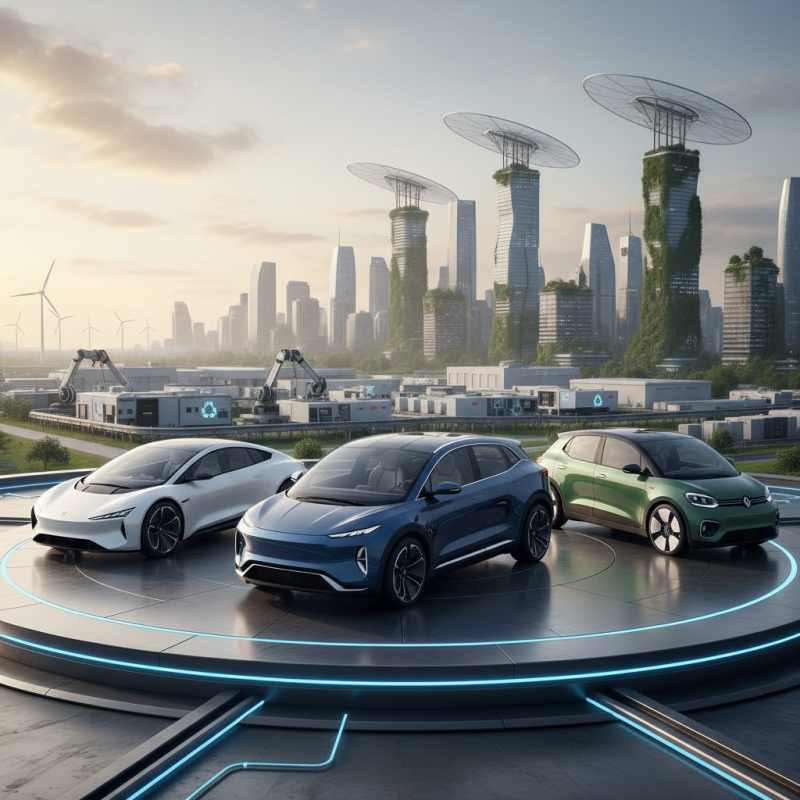
2026 Lithium Battery Car Trends: Market Growth and Innovations
The lithium battery sector is exploding. Forecasts show a growth rate of over 20% annually through 2028. This surge is driven by increasing demand for electric vehicles and advancements in battery technology. In 2026, innovations will play a pivotal role. New battery chemistries promise lighter, more efficient energy storage. Solid-state batteries are gaining attention. They may outperform traditional lithium-ion systems in safety and longevity.
The market is not without its challenges. Supply chain issues persist. Lithium extraction poses environmental concerns. The industry must address these problems to ensure sustainable growth. In 2025, a report noted that 30 million electric vehicles were expected globally. As infrastructure improves, charging stations may become ubiquitous. This will encourage more consumers to switch to electric models.
Expect to see rapid developments in battery recycling. Efficient recycling methods can significantly reduce waste. As the demand for lithium increases, so does the need for responsible sourcing practices. Ethical mining will become essential for market leaders. The coming years demand innovation and responsibility in the lithium battery landscape.
Key Features of Top Lithium Battery Cars for 2026
As we approach 2026, the electric vehicle market is booming. Lithium battery cars are leading this charge. These vehicles are known for efficiency and power. They promise impressive ranges, often exceeding 300 miles on a single charge. Quick charging capabilities are becoming standard. Many models can regain a significant charge in just 30 minutes.
Safety features are also a priority. Advanced driver-assistance systems, or ADAS, are common. They include automatic braking and lane-keeping assist. Such technology enhances driver confidence, especially for new EV users. However, not all features work perfectly, and some consumers express concerns. The reliability of new tech can vary.
Design improvements cannot be overlooked. Many cars now boast sleek and modern aesthetics. Spacious interiors and high-quality materials are becoming the norm. However, the focus on design sometimes overshadows practical aspects. Storage space can be limited in some models. This is something potential buyers should consider before making a choice.
Comparative Analysis of 2026 Lithium Battery Vehicles and Traditional Cars
As more consumers steer towards sustainability, lithium battery cars are gaining traction. These vehicles promise cleaner energy, reducing reliance on fossil fuels. With advancements in battery technology, many new models are emerging for 2026. They can travel further on a single charge. This is a significant improvement over traditional combustion engines.
However, lithium battery vehicles face certain limitations. Charging infrastructure is still underdeveloped in many areas. This will impact long-distance travel for many potential users. Additionally, battery production can be environmentally taxing. The mining process raises concerns about sustainability and ethical sourcing.
In contrast, traditional cars offer an established network for fueling. They are easier to maintain and repair. Many consumers are familiar with their mechanics. Still, the long-term costs of petrol usage add up. It's crucial to consider both options carefully before making a choice. The shift towards electric technologies is promising but requires further reflection and adaptation.
2026 Top Lithium Battery Car Models You Need to Know
| Model | Battery Capacity (kWh) | Range (miles) | Charging Time (hours) | Acceleration (0-60 mph) | Price ($) |
| Model A | 80 | 300 | 1.5 | 3.5 | 45,000 |
| Model B | 100 | 350 | 1.2 | 3.0 | 55,000 |
| Model C | 75 | 280 | 1.8 | 4.0 | 40,000 |
| Model D | 90 | 330 | 1.6 | 3.2 | 50,000 |
| Model E | 110 | 370 | 1.0 | 2.8 | 60,000 |
Industry Leaders in Lithium Battery Technology: 2026 Model Highlights
The electric vehicle landscape is evolving rapidly. By 2026, numerous models are set to redefine the lithium battery car market. These vehicles feature advanced energy storage solutions. Enhanced range and efficiency are key highlights in upcoming designs. Manufacturers are investing heavily in lithium technology, pushing boundaries like never before.
One notable trend is the focus on reducing weight. Lightweight materials are crucial for improving performance. They make cars more energy-efficient and increase range. Additionally, some models are experimenting with flexible battery layouts. This could allow for custom configurations tailored to consumer needs.
However, challenges remain. Recycling lithium batteries is still a pressing concern. Environmental impact must be addressed to sustain growth. The industry is grappling with supply chain issues as demand for lithium surges. Reflection on sustainability practices is essential for future developments. The journey is far from perfect but promises innovation and excitement in the years ahead.
2026 Top Lithium Battery Car Models
Future Predictions: The Impact of Lithium Battery Cars on the Automotive Market
The rise of lithium battery cars is transforming the automotive market. According to recent studies, the demand for electric vehicles (EVs) is expected to grow by 22% annually through 2026. This shift is driven mainly by environmental concerns and advances in battery technology. Lithium-ion batteries are becoming more efficient and cost-effective, significantly influencing consumer choices.
However, the industry faces challenges too. The supply chain for lithium is stressing producers. A report suggests a potential shortage of lithium by 2025 as demand soars. Manufacturers must rethink sourcing and recycling methods. There’s also a growing concern regarding battery disposal and environmental impacts. Policymakers need to implement proper regulations to address these issues.
As we look ahead, the impact of lithium battery cars will reshape market dynamics. Traditional car makers are investing heavily in electric vehicle production. Market analysts predict that by 2030, nearly 50% of all cars sold will be electric. This rapid transition offers both opportunities and potential pitfalls. As the market evolves, stakeholders must remain vigilant and adaptable.