Top PCB Manufacturers to Watch in 2026 What to Know?
The landscape of the electronics industry is constantly evolving. As technology advances, the role of the PCB manufacturer becomes more crucial. These manufacturers are the backbone of modern electronics, enabling everything from simple gadgets to complex machinery.
In 2026, staying updated on top PCB manufacturers is essential. Key players are innovating with new materials and techniques. They are focusing on efficiency and sustainability. Some companies may excel in production speed, while others may prioritize quality and durability. This variation can affect customer choices.
Understanding what defines a leading PCB manufacturer can help businesses make informed decisions. It's not only about advanced technology but also about adaptability. As market needs change, manufacturers must reflect, learn, and adjust. Companies that serve well today may not retain their edge tomorrow. A responsive PCB manufacturer is critical for future projects and collaborations.
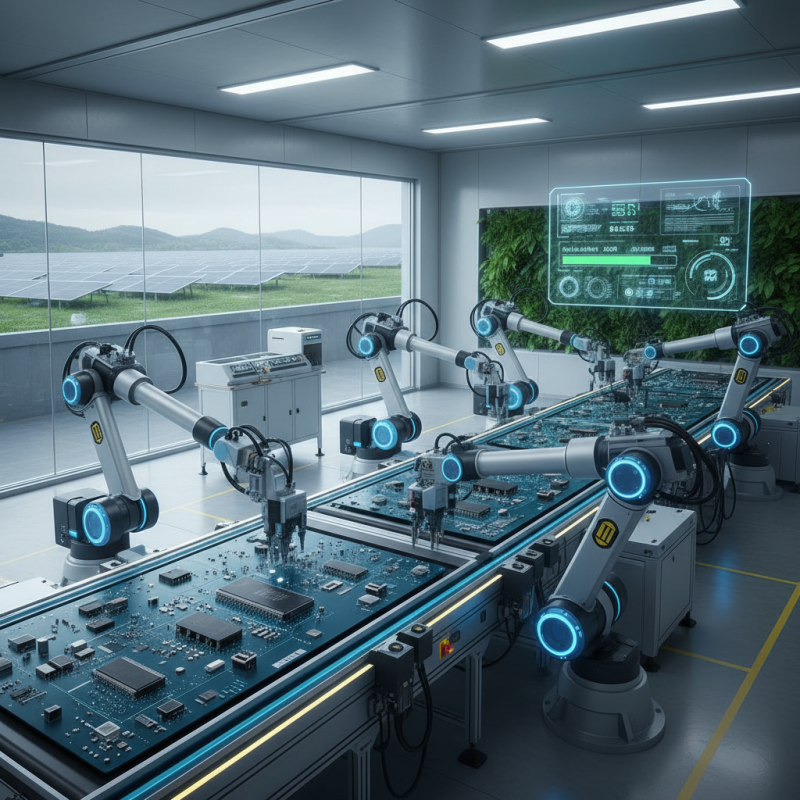
Emerging Trends in the PCB Industry by 2026
As we look towards 2026, several emerging trends will shape the PCB industry. One key trend is miniaturization. Components are getting smaller and more complex. This pushes manufacturers to innovate in design and technology. Flexible PCBs are becoming common, as they fit various applications. They are essential in wearables and medical devices, showcasing significant growth.
Another noticeable trend is sustainability. More manufacturers are prioritizing eco-friendly materials and processes. The demand for recycling practices is increasing. Companies are exploring new ways to reduce waste. This trend is not just beneficial for the environment; it attracts customers who value sustainability.
However, challenges remain. Not all companies are adapting quickly. Some struggle with the transition to new technologies. This can lead to inefficiencies. It's important for manufacturers to stay agile and responsive to market shifts. The next few years will be critical for those willing to innovate. The industry must confront these realities to thrive.
Top PCB Manufacturers to Watch in 2026
This chart displays the projected growth in the production capabilities of key players in the PCB industry by 2026. The data illustrates the anticipated increase in production volume (in millions of square feet) aligned with emerging trends in technology and demand.
Key Players: Leading PCB Manufacturers to Focus On
The printed circuit board (PCB) industry is evolving rapidly. By 2026, key players will have a significant impact. Industry analysts predict that the global PCB market will reach approximately $80 billion, marking a remarkable growth from previous years. This staggering figure highlights the importance of keeping an eye on leading manufacturers.
In 2026, sustainability will shape PCB production. Many companies are investing in eco-friendly materials. For instance, reports suggest that nearly 30% of manufacturers are likely to adopt green technologies. This shift is essential for reducing environmental impact but presents challenges in sourcing materials that meet both performance and sustainability standards.
Innovation in technology is another crucial area. Advanced electronics and the rising demand for 5G will drive new manufacturing techniques. Notably, flexible and high-frequency PCBs are becoming more common. However, the rush to innovate can lead to the oversight of quality control. Balancing speed with reliability remains a critical concern for many. As the industry advances, the focus will be on how well key players manage these evolving dynamics.
Innovations in PCB Technology Shaping the Market
The landscape of PCB technology continues to evolve. Innovations are transforming how devices are designed and manufactured. Flexible PCBs are gaining traction. These lightweight circuits allow for unique configurations. They can bend and fit into small spaces. This adaptability opens up new possibilities for consumer electronics.
Another important trend is the move toward eco-friendly materials. Manufacturers are exploring bioplastics and recyclable substrates. This shift is essential for sustainability and reducing electronic waste. However, there are challenges. Developing these materials can be time-consuming. The performance must match traditional options, which isn't always easy.
Advanced manufacturing techniques are also significant. Techniques like additive printing are being tested. These processes promise to reduce waste and streamline production. Yet, they require new skills and training for engineers. There is still much to learn about scalability and reliability. As the industry embraces these changes, reflection on progress will be vital.
Top PCB Manufacturers to Watch in 2026: Innovations in PCB Technology Shaping the Market
| Manufacturer Type | Technology Focus | Key Innovations | Market Impact | Projected Growth (2026) |
| Flexible PCBs | High-Density Interconnect | Printed Organic Electronics | Expansion in wearable technology | 15% CAGR |
| Rigid PCBs | Thermal Management | Advanced Heat Sink Designs | Improved reliability in high-power applications | 10% CAGR |
| Multilayer PCBs | Miniaturization | Embedded Components | Reduction in PCB size and weight | 12% CAGR |
| High-Frequency PCBs | Signal Integrity | Low-Loss Material Development | Enhanced performance in telecommunications | 20% CAGR |
Challenges and Opportunities for PCB Manufacturers Ahead
The PCB manufacturing industry faces both challenges and opportunities in the upcoming years. Demand for PCBs is projected to grow significantly, with a report from Allied Market Research estimating the market will reach $87 billion by 2026. However, manufacturers must navigate rising material costs and supply chain disruptions, which can hinder production efficiency.
Sustainability is a critical issue. As environmental regulations tighten, manufacturers must adapt their processes. The shift towards eco-friendly materials can be costly but presents a chance for innovation. According to a survey by IPC, 50% of PCB manufacturers plan to invest in sustainable practices in the next few years. This trend could attract environmentally conscious clients, creating new market segments.
Labor shortages also pose challenges. A study by the Semiconductor Industry Association suggests that 880,000 skilled workers will be needed by 2030. To combat this, companies should invest in training programs. The industry must also reflect on flexibility in workforce management to remain competitive. A balance between addressing immediate needs and long-term growth is essential.
Market Opportunities: Sectors Driving PCB Demand in 2026
The printed circuit board (PCB) industry is poised for significant growth in 2026. Various market reports indicate that the industry will expand rapidly, driven by key sectors. The consumer electronics sector is one of the main contributors. With the rise of smart devices, the demand for advanced PCBs is increasing. By 2026, this market could reach a valuation of over $80 billion.
Another crucial sector is the automotive industry. The trend towards electric and autonomous vehicles is leading to a surge in PCB demand. Analysts predict that the automotive PCB market will grow by more than 12% annually. This indicates a strong need for reliable and innovative PCB solutions. Furthermore, medical devices are also set to drive demand. As technology progresses, the incorporation of PCBs in diagnostics and therapeutics is becoming essential.
However, challenges lurk beneath the surface. Supply chain disruptions continue to affect the industry. Reports indicate that sourcing high-quality materials remains a persistent issue. Companies must adapt to these challenges to remain competitive. The evolving regulatory landscape also demands attention. Adapting to these changes can be daunting for many manufacturers. Effective strategies are crucial for capitalizing on the vast opportunities that 2026 will present.