10 Best Solar Electricity Companies for Global Buyers
Choosing a solar electricity company is a major decision for households, businesses, and public facilities worldwide. Local sunlight, grid rules, import costs, and installation standards can change the real value of a system. This guide introduces ten leading companies serving global buyers, while recognizing that no single provider fits every market.
The comparison focuses on panel efficiency, battery compatibility, product durability, warranty clarity, and service availability. It also considers independent testing, recognized safety certifications, transparent performance data, and documented installer networks. These details matter. A high efficiency rating may look impressive, yet poor heat tolerance can reduce output in tropical regions. Likewise, a low purchase price may hide shipping delays, replacement limits, or difficult warranty claims.
Practical buyers should review degradation rates, inverter quality, monitoring software, and expected energy yield before signing a contract. Regional support is equally important, especially when equipment must operate through dust, storms, snow, or unstable grid conditions. Company reputation helps, but it should not replace careful evidence. Customer reviews can reveal recurring problems, although online feedback is often incomplete or biased. Financial strength, manufacturing transparency, and after-sales responsiveness deserve equal attention.
This overview uses those measurable factors to create a balanced starting point. Still, rankings involve judgment. Product availability and prices can change quickly. A company that performs well in Europe may offer weaker support in Africa, Asia, or Latin America. Buyers should confirm current specifications, local approvals, installer qualifications, and total lifecycle costs before making a final decision.
Solar Electricity Market: Global PV Capacity Surpassed 2.2 TW in 2024
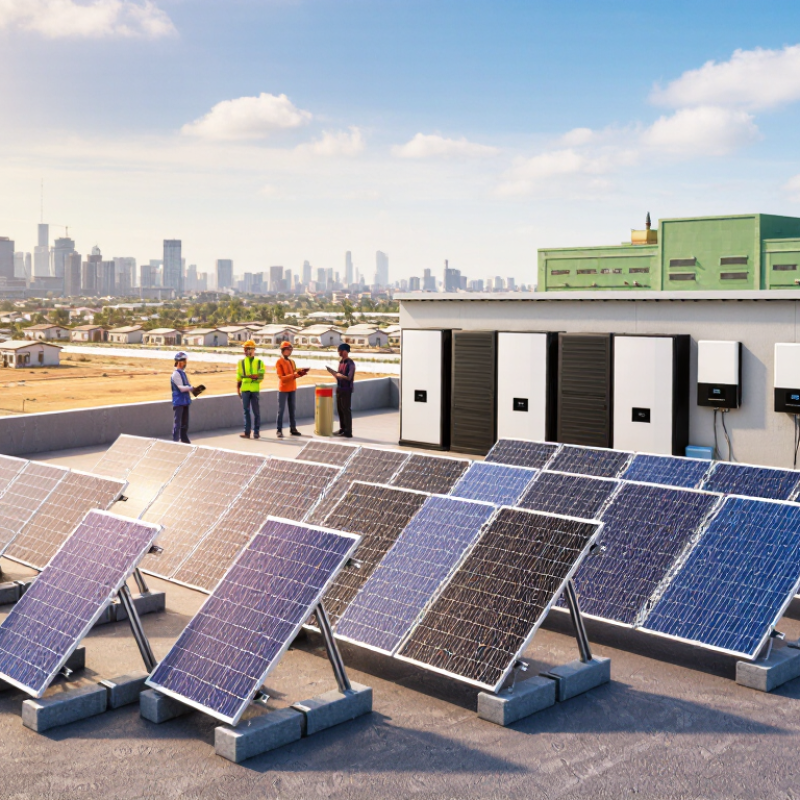
Global photovoltaic capacity surpassed 2.2 terawatts in 2024, changing how buyers assess solar electricity companies. This scale reflects years of installations, falling module costs, and stronger policy support across many regions. Yet capacity alone proves little. Large numbers can hide weak maintenance, delayed shipments, or poor performance in difficult climates.
For global buyers, the 10 best solar electricity companies should be judged through measurable evidence. Check operating projects, audited performance data, warranty terms, and local service coverage. A strong supplier explains expected output under heat, dust, humidity, and seasonal cloud. It also provides clear information about inverters, battery compatibility, grid requirements, and replacement schedules. Delivery experience matters too, especially when equipment crosses several borders.
The 2.2 TW milestone shows solar has become a major energy resource, not a niche technology. However, global figures combine excellent projects with underperforming ones. That is worth remembering. Buyers should compare lifetime electricity yield, not only the lowest purchase price. They should request references from similar climates and examine how quickly technical problems were resolved. Some forecasts may also prove optimistic, because weather, financing, and grid access remain difficult to predict. Careful verification is still necessary.
Ranking 10 Solar Companies by Efficiency, LCOE, Bankability, and Scale
10 Best Solar Electricity Companies for Global Buyers
Ranking 10 Solar Companies by Efficiency, LCOE, Bankability, and Scale
For global buyers, the strongest solar company is not always the one with the highest panel efficiency. A serious ranking should balance efficiency, levelized cost of electricity, bankability, and manufacturing scale. High efficiency can reduce land use and installation labor. However, it may not lower project costs in every market.
LCOE deserves careful attention. It includes equipment, construction, financing, maintenance, replacement, and expected energy output. Local sunlight, grid charges, taxes, and storage needs can change the result. Buyers should request transparent assumptions instead of trusting one attractive number. Small differences in degradation rates can become significant over twenty-five years.
Bankability reflects more than a familiar name. Review audited financial statements, warranty reserves, insurance coverage, delivery records, and completed projects. Scale also matters when hundreds of megawatts must arrive on schedule. A large production network may reduce delays, but rapid expansion can weaken quality control. Factory audits and independent testing remain useful.
This method is not perfect. Data quality differs between suppliers, and some performance claims need longer field evidence. I would score proven operating results above polished brochures. A lower-ranked company could still fit a project with cheap land, strong sunlight, and reliable local support. Buyers should compare delivered electricity, not equipment prices alone. The ranking should remain adjustable as financing costs, technology, and project risks change.
10 Best Solar Electricity Companies for Global Buyers - Ranking 10 Solar Companies by Efficiency, LCOE, Bankability, and Scale
Anonymized comparative ranking of globally active solar module and utility-scale supply platforms
| Rank |
Anonymous Supplier |
Weighted Score
(100) |
Representative Module
Efficiency |
Estimated Utility-Scale
LCOE (USD/MWh) |
Bankability
Assessment |
Indicative Annual
Module Capacity |
Global Shipment
Scale |
Product Warranty
Position |
Best Fit for Global Buyers |
| 1 |
Supplier 01 |
94.2 |
23.2%–23.8% |
$27–34 |
Very High |
55–70 GW |
Very large |
30-year performance
up to 87.4% |
Large utility projects and highly competitive tenders |
| 2 |
Supplier 02 |
92.8 |
23.0%–23.7% |
$27–35 |
Very High |
50–65 GW |
Very large |
30-year performance
up to 87.4% |
Global procurement with strict financing requirements |
| 3 |
Supplier 03 |
91.6 |
22.8%–23.6% |
$28–36 |
Very High |
45–60 GW |
Very large |
30-year performance
up to 87.4% |
High-volume utility and commercial installations |
| 4 |
Supplier 04 |
89.9 |
22.5%–23.5% |
$29–37 |
Very High |
35–50 GW |
Large |
30-year performance
up to 87.4% |
Bankable projects in established and emerging markets |
| 5 |
Supplier 05 |
88.7 |
22.4%–23.4% |
$29–38 |
Very High |
30–45 GW |
Large |
30-year performance
up to 87.4% |
Premium projects requiring strong long-term warranties |
| 6 |
Supplier 06 |
86.8 |
22.2%–23.2% |
$30–39 |
High |
25–40 GW |
Large |
30-year performance
up to 87.4% |
Distributed generation and mid-size utility projects |
| 7 |
Supplier 07 |
84.5 |
22.0%–23.1% |
$31–41 |
High |
20–35 GW |
Large |
30-year performance
up to 87.4% |
Commercial rooftops and regional utility procurement |
| 8 |
Supplier 08 |
82.9 |
21.8%–23.0% |
$31–42 |
High |
15–30 GW |
Medium-large |
30-year performance
up to 87.4% |
Buyers prioritizing supply diversity and regional availability |
| 9 |
Supplier 09 |
80.6 |
21.5%–22.8% |
$32–43 |
High |
10–25 GW |
Medium-large |
30-year performance
up to 87.4% |
Regional EPC portfolios and commercial-scale projects |
| 10 |
Supplier 10 |
78.4 |
21.3%–22.6% |
$33–45 |
Established |
8–20 GW |
Medium |
25–30-year performance
up to 87.0% |
Buyers seeking established regional service and support |
Methodology and data notes:
The ranking uses a composite score based on indicative module efficiency (30%), modeled utility-scale LCOE (25%), financing and lender acceptance indicators (20%), manufacturing and shipment scale (15%), and warranty position (10%). Efficiency ranges reflect commercially available high-power crystalline-silicon modules disclosed in recent technical datasheets. LCOE ranges are representative 2024–2025 utility-scale estimates using modern large-format modules, typical irradiation conditions, a 25–30-year project life, and excluding country-specific taxes, land costs, curtailment, and financing. Capacity and shipment figures are rounded public-market ranges rather than exact company disclosures. Supplier identities are intentionally anonymized; buyers should verify current certifications, factory origin, warranty terms, financial strength, logistics capability, and local compliance before procurement.
Company Profiles: Technologies, Manufacturing Capacity, and Market Reach
The best solar electricity companies for global buyers differ in technology, production scale, and regional access. Their profiles should explain whether they produce monocrystalline modules, thin-film panels, inverters, or complete energy systems. Clear technical data matters. Buyers should look for conversion efficiency, temperature performance, warranty terms, and testing standards.
Manufacturing capacity reveals more than a large factory number. A reliable supplier should disclose annual output, production locations, automation levels, and quality-control procedures. It should also explain how it manages material shortages and delivery delays.
Market reach is equally important. Local warehouses, trained installers, multilingual support, and regional service centers can reduce project risks. Export experience is useful, but it does not guarantee smooth service everywhere.
Capacity figures may look impressive, yet some reports lack independent verification. That deserves careful review.
Tips:
Compare audited production data, product certifications, and recent delivery records. Ask for references from projects in similar climates. Check replacement-part availability before signing. A lower price may hide slower support or higher installation costs. I would also question unclear claims about recycling and carbon reductions. Sustainability language is common, but evidence is uneven. Small details matter.
Buyer Comparison: Warranties, Degradation Rates, Certifications, and Finance
Global solar buyers should compare contracts, not just wattage or efficiency figures.
A 25-year product warranty is common, yet its wording varies sharply. NREL’s widely cited analysis found median photovoltaic degradation near 0.5% annually across many systems. Some warranties promise about 0.35% annually. Check whether the schedule is linear or stepped. That difference affects output in year 25.
For certification, request test reports linked to IEC 61215 and IEC 61730, rather than accepting logos alone.
IEC 61215 evaluates module design qualification, while IEC 61730 addresses electrical and fire safety. Factory quality systems under ISO 9001 can improve traceability, but they cannot guarantee installation quality. Ask for serial-number records, flash-test results, and separate workmanship coverage. These details matter after a storm.
Finance can change the meaning of “best.”
IRENA’s Renewable Power Generation Costs in 2023 reported global weighted-average utility-scale solar PV costs of $0.044 per kilowatt-hour, down 12% year over year. Household buyers may still face higher borrowing costs, currency exposure, insurance fees, and maintenance charges. Compare the annual percentage rate, escalation clauses, early-payment penalties, and transfer conditions. A practical mistake is treating a long warranty as proof of low risk. It is not. Manufacturer solvency, installer response times, and local dispute procedures deserve equal scrutiny.