2026 Top Solar Energy Contractors You Should Know About?
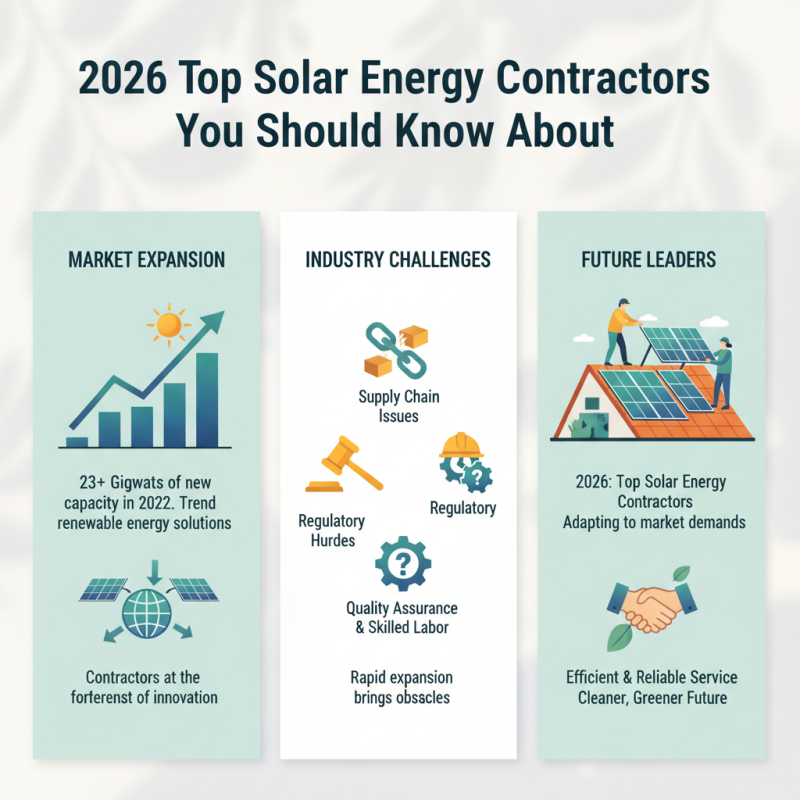
As the solar energy market continues to expand, the role of solar energy contractors becomes increasingly vital. According to the U.S. Solar Market Insight Report, the solar industry installed over 23 gigawatts of new capacity in 2022 alone. This growth reflects a trend toward renewable energy solutions, with contractors at the forefront of innovation and implementation.
However, the industry's rapid expansion does not come without challenges. Some solar energy contractors struggle with supply chain issues and regulatory hurdles. There is also an ongoing need for quality assurance and skilled labor. Despite these obstacles, many contractors excel in providing efficient and reliable service, contributing to the overall growth in solar installations.
In 2026, the top solar energy contractors will emerge as key players, shaping the future of energy sustainability. Their ability to adapt and respond to market demands will be crucial. Understanding the dynamics of this industry will help stakeholders identify the best contractors, ensuring a cleaner, greener future for all.
2026 Solar Energy Industry Overview and Trends
The solar energy industry is rapidly transforming. In 2026, we see an increased focus on efficiency. Countries are investing more in renewable energy sources. Solar panels are becoming more affordable. They now offer better performance than before. This shift can positively impact energy consumption on a global scale.
However, challenges remain. The manufacturing process still faces hurdles. Some technologies are not yet widely adopted. The integration of solar energy into existing grids is complex. Many systems need upgrades to accommodate this transition. Areas with inconsistent sunlight will struggle more than others.
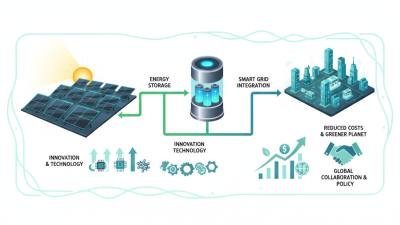
Innovation is key to overcoming these obstacles. Emerging technologies are showing promise. Energy storage solutions are evolving quickly. These developments may bridge gaps in solar energy production. It’s critical to stay updated on upcoming solutions. The renewable energy landscape will continue to shift. Adaptation is vital for future success in this field.
2026 Solar Energy Industry Overview: Contractor Performance
Key Factors Driving the Growth of Solar Energy Contractors
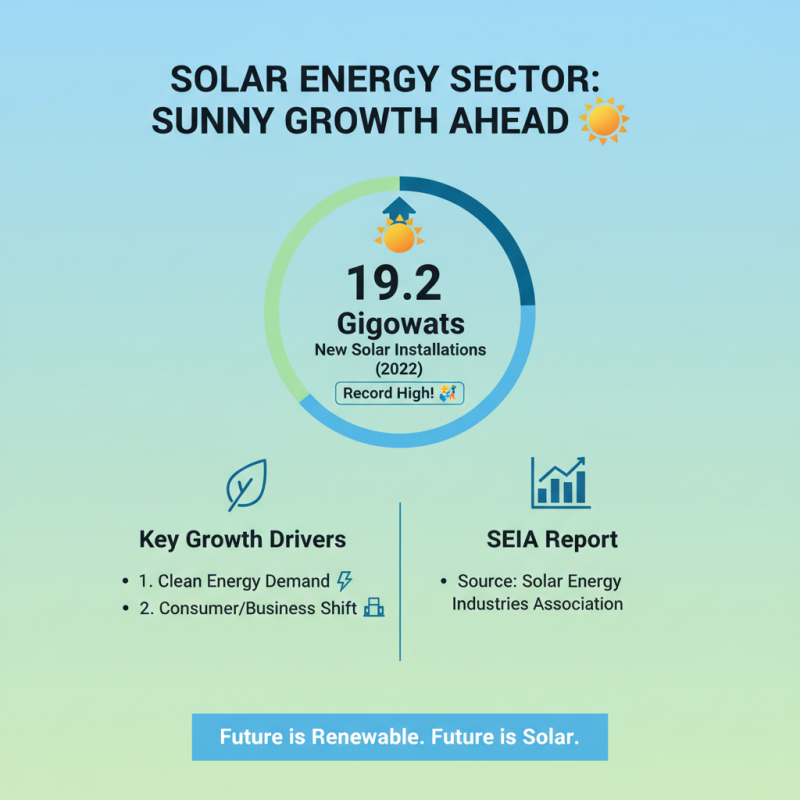
The solar energy sector is witnessing remarkable growth. According to the Solar Energy Industries Association (SEIA), solar installations reached a record 19.2 gigawatts in 2022. This growth trend is driven by several key factors. The increasing demand for clean energy is at the forefront. More consumers and businesses are shifting towards renewable energy sources.
Another important factor is the declining cost of solar technology. A report from Lazard notes that the cost of utility-scale solar has plummeted by 88% since 2009. This financial incentive encourages both residential and commercial investments. Policymakers are also supporting this trend through tax incentives and subsidies. However, there remains a gap in public awareness about solar's benefits.
Despite advancements, challenges remain. Issues like supply chain disruptions can delay projects. Many contractors face difficulties in finding qualified workers, hindering project timelines. Industry experts suggest that training and education programs are critical for addressing workforce shortages. As the market evolves, contractors must adapt to these ongoing challenges.
Top 2026 Solar Energy Contractors: A Comprehensive List
The solar energy sector is rapidly evolving. In 2022, global solar installations exceeded 200 gigawatts, proving its importance. This growth demands contractors who excel in technology and project management.
The top contractors in 2026 will need to embrace innovation. Advanced solar panel technology can enhance efficiency by 25%. However, many contractors still struggle with adapting to these changes. This slow pace may hinder project completion and cost efficiency.
Moreover, the labor market poses another challenge. Skilled workers in renewable energy are in high demand. A study showed that the U.S. will need over 200,000 new solar workers by 2030. Contractors must find ways to attract and retain talent. Balancing quality and quantity in workforce development is essential for sustainable growth.
Innovative Technologies Shaping Solar Installations in 2026
The solar energy landscape in 2026 is vibrant with innovative technologies. One exciting development is the rise of bifacial solar panels. These panels capture sunlight from both sides, enhancing efficiency. They are especially effective in snowy regions, reflecting more light. This tech is reshaping installations, promising higher energy yields.
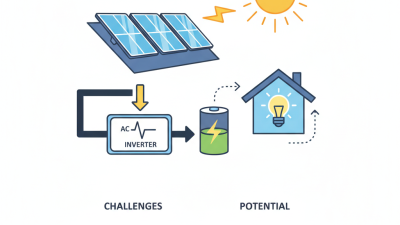
Energy storage solutions are evolving too. Advanced batteries are now more affordable and robust. They allow homeowners to store excess energy collected during sunny days. This stored power can be used during cloudy periods or at night. However, these systems can still be bulky and costly for some. Their integration into homes needs refinement.
Moreover, smart solar inverters are becoming standard. They optimize energy use in real-time and show detailed energy analytics. This tech helps users understand their consumption habits. Yet, the complexity can overwhelm some homeowners. Awareness and education are necessary to maximize benefits. As we move forward, these innovations will dictate how solar energy is utilized, but there’s still room for growth and understanding.
2026 Top Solar Energy Contractors You Should Know About
| Contractor Type |
Location |
Annual Installation Capacity (MW) |
Innovative Technology |
Years in Operation |
| Residential Installer |
California |
250 |
Smart Solar Monitoring |
10 |
| Commercial Installer |
Texas |
500 |
Integrated Storage Solutions |
15 |
| Utility-scale Developer |
Florida |
1000 |
Bifacial Solar Panels |
20 |
| Hybrid Installer |
New York |
300 |
AI Energy Optimization |
8 |
| Rooftop Installer |
Illinois |
400 |
Vertical Solar Systems |
12 |
Factors to Consider When Choosing Solar Energy Contractors
When choosing solar energy contractors, several factors play a crucial role. Experience is one of the most important considerations. Look for contractors with a proven track record. They should have completed numerous projects similar to yours. This experience can save you headaches down the line.
Licensing and insurance are also critical. A licensed contractor meets local regulations. Insurance protects you from potential liabilities during installation. Verify these credentials before making a decision.
Don’t hesitate to ask for references. Speaking with previous clients can offer insights into their reliability and workmanship.
Cost is another significant factor. While it’s tempting to choose the lowest bid, this can lead to poor quality work. Compare multiple quotes to understand the average market rate. Be wary of prices that seem too good to be true. Lastly, consider the personal rapport. A good contractor should communicate effectively and listen to your needs. If they do not, it could lead to frustrating experiences later.