Top Solar Energy Solutions for Global Buyers in 2026?
In the rapidly evolving field of renewable energy, solar energy solutions stand at the forefront of innovation. As we anticipate 2026, experts foresee a surge in demand for these technologies. Dr. Emily Chen, a leading authority in solar energy systems, emphasizes, “The future of energy lies in harnessing the sun efficiently.” This vision showcases the potential for solar technologies to redefine energy consumption globally.
Solar energy solutions not only provide a sustainable alternative but also offer economic benefits. As countries seek to reduce carbon footprints, investments in solar technology will grow. New advancements promise better efficiency and affordability. However, challenges remain in integrating these solutions into existing infrastructures. Companies must adapt quickly to emerging trends and consumer demands.
The landscape for solar energy solutions will change, bringing both hope and obstacles. Barriers like technological limitations and regulatory hurdles still need addressing. However, with commitment and innovation, the solar industry can make significant strides. The path ahead requires careful planning and collaboration among stakeholders. The journey will be challenging yet rewarding for global buyers looking to embrace this clean energy future.

Overview of Global Solar Energy Market Trends in 2026
The global solar energy market is evolving rapidly as we approach 2026. According to a report by the International Energy Agency, solar power capacity is expected to reach
1,200 gigawatts by the end of 2026. This is a substantial increase compared to 2023, indicating a growing reliance on renewable sources. Many
countries are investing heavily to meet their climate goals.
Emerging technologies are driving this change. Advanced photovoltaic materials and innovative storage solutions are boosting efficiency. For instance, bifacial solar panels are gaining popularity, allowing for higher energy capture. Data shows these panels can increase energy output by up to 30%. However, the market faces challenges, such as supply chain disruptions and fluctuating material costs.
Moreover, there is an uneven pace of adoption across regions. While some areas, like Southeast Asia, are seeing rapid growth, others lag behind due to regulatory hurdles. The World Bank reports that nearly 1.2 billion people still lack access to electricity, highlighting a significant gap in solar energy integration. This disparity raises questions about equitable access to clean energy solutions globally. Addressing these issues is crucial for a sustainable future.
Key Solar Energy Technologies Leading the Market in 2026
As the solar energy sector continues to evolve, several technologies are emerging as leaders in 2026.
Photovoltaic (PV) systems are showing rapid advancements. According to a report by the
International Renewable Energy Agency (IRENA),
the efficiency of solar panels is expected to exceed 25% by 2026. This could significantly enhance energy output.
Improved materials, like perovskite cells, are playing a crucial role. These materials promise lower production costs and higher efficiencies,
allowing broader access to solar solutions.
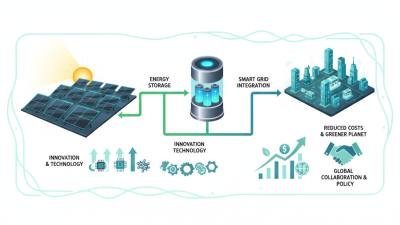
Another key technology is energy storage. Battery storage systems are vital for balancing supply and demand.
The U.S. Department of Energy projects that battery costs will decrease by up to 50% by 2026.
This reduction will make solar energy more reliable and accessible. However, challenges remain, such as managing fluctuations in
solar power generation. The need for innovations in grid integration and energy management becomes clear as more homes adopt solar systems.
Solar technology is also moving towards decentralization. Distributed energy resources allow communities to generate their own power.
This trend empowers local users but poses regulatory challenges. The 2023 World Energy Outlook highlights that
regulatory frameworks must evolve to accommodate this shift. Stakeholders need to work together for effective policies that foster growth while
addressing local grid stability concerns.
Regional Analysis: Major Markets for Solar Energy Adoption in 2026
The solar energy market is evolving rapidly as we approach 2026. Major regions are emerging as key adopters of solar technology. Countries like India and the United States heavily invest in solar infrastructure. They are driven by the need to combat climate change and reduce energy costs. China continues to dominate solar manufacturing, impacting global supply chains.
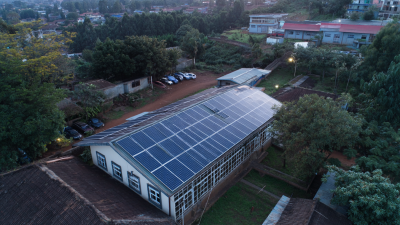
In Europe, countries like Germany and Spain are boosting their solar capacity. They implement strong policies promoting renewable energy usage. However, challenges remain, such as grid integration and storage technology. In Africa, nations like Kenya are adopting off-grid solar solutions. They aim to provide electricity to rural areas lacking infrastructure.
Regional disparities exist. Some areas struggle with cloudy weather, affecting solar efficiency. Others lack proper incentives, discouraging investment. Each region must face unique hurdles to maximize solar adoption. Solutions should be tailored to local conditions and needs. The path to a sustainable energy future requires careful planning and collaboration between governments, businesses, and communities.
Top Solar Energy Solutions for Global Buyers in 2026
Investment Opportunities: Financial Trends in Solar Energy Solutions
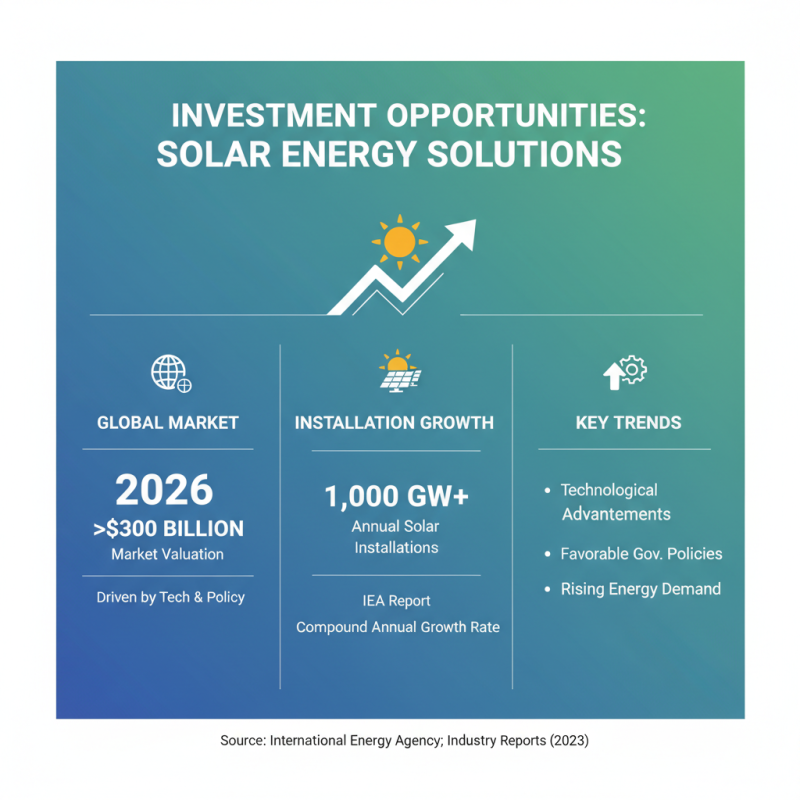
The solar energy sector is witnessing significant investment trends as it evolves rapidly. In 2026, the global solar market is expected to surpass a valuation of $300 billion, driven by technological advancements and favorable governmental policies. According to a recent report by the International Energy Agency, solar energy installations could reach over 1,000 gigawatts annually, reflecting an impressive compound annual growth rate.
Investors should pay attention to emerging markets, particularly in Asia and Africa. These regions show a strong demand for affordable energy solutions. The World Bank highlights that solar projects in these areas could cost up to 30% less than in previous years due to declining technology costs. However, navigating regulations and local partnerships can be challenging.
Tips: Research local policies before investing. Understanding regional trends can help mitigate risks. Consider potential environmental impacts, as they can influence project timelines and community support. Be aware that despite lower costs, not all projects are easily feasible. Continuous assessment and adaptability are key to successful investment in solar energy solutions.
Future Challenges: Sustainability and Policy Impact on Solar Energy Growth
The solar energy sector faces significant challenges in the coming years. Sustainability practices are crucial for long-term viability. According to the International Energy Agency (IEA), solar power could supply over 25% of global electricity by 2026. However, achieving this goal requires robust policies and sustainable practices.
Policies significantly shape solar energy growth. Governments play a pivotal role in creating frameworks that foster innovation and investment. A report by the World Solar Industry Association highlights that regulatory delays can lead to project cancellations. Approximately 30% of planned solar installations faced setbacks due to policy uncertainties. This frustration hampers progress and could reduce the desired expansion in renewable energy capacity.
Moreover, sustainability is not just about efficiency. Carbon footprint, material sourcing, and recycling practices must be optimized. The Global Renewable Energy Agency reports that up to 20% of solar panels end up in landfills. This poses environmental concerns that need addressing. Despite advancements, the industry must tackle these issues head-on. Energy transition hinges on our ability to foster sustainable methods without compromising future growth.
Top Solar Energy Solutions for Global Buyers in 2026
| Solution Type |
Efficiency (%) |
Cost per Watt (USD) |
Carbon Footprint Reduction (kg CO2/kWh) |
Market Adoption Rate (%) |
| Monocrystalline Solar Panels |
20-22 |
0.40 |
0.85 |
60 |
| Polycrystalline Solar Panels |
15-18 |
0.30 |
0.75 |
55 |
| Bifacial Solar Panels |
18-21 |
0.50 |
0.90 |
50 |
| Thin-Film Solar Panels |
10-13 |
0.25 |
0.65 |
40 |
| Solar Roof Tiles |
15-20 |
0.70 |
0.80 |
30 |