Top 10 Solar Energy Tips for Homeowners to Save Money
As homeowners seek ways to cut costs, solar energy has emerged as an efficient solution. According to Dr. Emily Carter, a leading expert in solar energy, “Investing in solar not only saves money but also helps the environment.” This reflects the dual benefits of solar energy for both personal finances and the planet.
Many homeowners may still hesitate to embrace this technology. Some worry about installation costs or maintenance. However, the savings from harnessing solar energy can be substantial over time. You could even reduce your electricity bills by up to 50%. Yet, the transition requires careful planning and proper research. It is essential to understand local incentives and rebates available.
Embracing solar energy is not without challenges. Homeowners must consider factors like roof orientation and sunlight exposure. Additionally, some people might find the initial investment daunting. Reflecting on these obstacles could lead to better decision-making. Overall, tapping into solar energy can pave the way for long-term savings and sustainability.

Benefits of Solar Energy for Homeowners: Cost Savings and Beyond
Solar energy is a powerful tool for homeowners looking to cut costs. By harnessing the sun's energy, families can significantly reduce their monthly electricity bills. A well-designed solar panel system can offer savings of 50% or more on energy expenses. Over time, these savings can amount to thousands of dollars.
Imagine the possibilities—fewer financial worries and more money for other important needs.
Beyond the immediate financial benefits, solar energy contributes to a cleaner environment. Homeowners can reduce their carbon footprint, helping combat climate change. Each panel installed means less reliance on fossil fuels. It feels rewarding to realize such positive impact.
However, setting up a solar system is not always smooth. High initial costs can be daunting for some. It's crucial to research options and perhaps seek advice from knowledgeable sources.
Moreover, the maintenance of solar panels requires attention. Keeping them clean and ensuring they operate efficiently is vital. Homeowners may face challenges, like shading from trees or dirt buildup. Addressing these issues is necessary for maximizing energy production. Despite these potential hurdles, the long-term rewards of switching to solar energy are worth the effort.
Understanding Solar Panel Types: Choosing the Right Option for Your Home
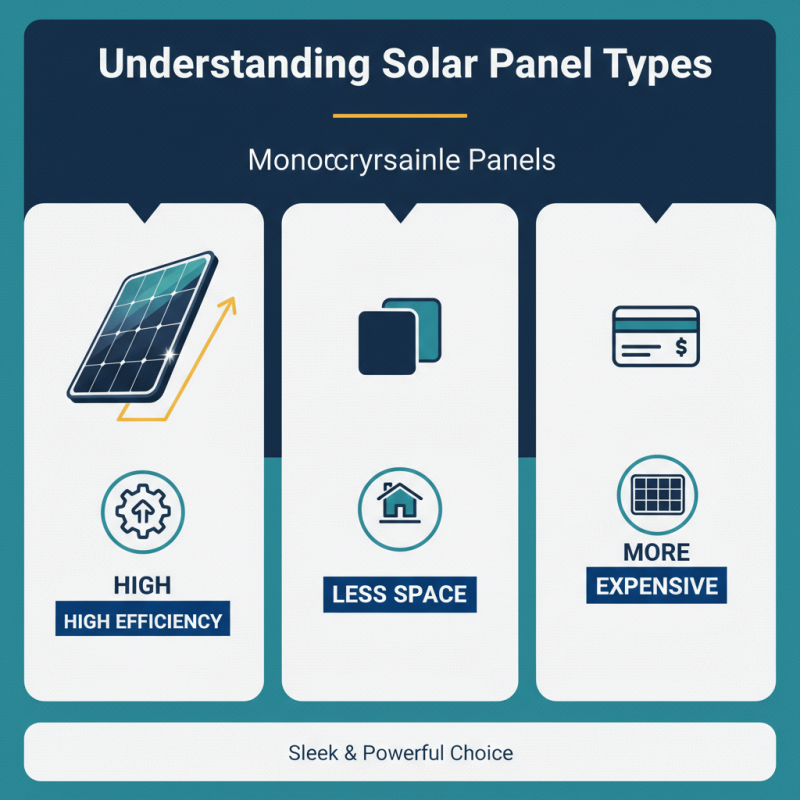
When choosing solar panels for your home, it’s important to understand the various types available. Monocrystalline, polycrystalline, and thin-film panels each have unique advantages. Monocrystalline panels are highly efficient and take up less space. They are often sleek and visually appealing. However, they can be more expensive.
Polycrystalline panels are generally more affordable. They perform well but require more space due to lower efficiency. These panels are made from multiple silicon crystals, giving them a speckled blue appearance. Thin-film panels are lightweight and flexible. They are easy to install but have a shorter lifespan and lower efficiency than the other two types.
Consider your roof space and energy needs before making a decision. Take time to evaluate your budget, too. Some homeowners regret not researching enough. Solar energy can save money, but the initial investment matters. Make a choice that suits your lifestyle and financial situation.
Optimal Solar Panel Placement: Maximizing Sunlight Exposure and Efficiency
Optimal solar panel placement is crucial for maximizing sunlight exposure and efficiency. Homeowners should consider their roof’s orientation and angle. South-facing roofs typically receive more sunlight throughout the day. This can significantly increase energy production. If your roof has multiple angles, prioritize the area with the least shading. Trees or neighboring buildings can block sunlight.
It’s also important to think about the time of day. Solar panels generate more energy when the sun is at its peak. Midday placement may work best for many homes. However, this is not always possible. Roof shapes and obstructions complicate decisions. Experimentation might be necessary to find the ideal orientation.
In some cases, homeowners may realize they've placed panels inefficiently. If energy bills remain high, it could be time for a reassessment. Avoid haste in installation to prevent costly mistakes. Taking the time to explore all options will yield better results. Remember, maximizing sunlight exposure doesn’t require perfect conditions—flexibility and creativity can help homeowners adapt to their unique circumstances.
Government Incentives and Rebates: Financial Benefits for Solar Installations
Government incentives play a crucial role in making solar energy more accessible. Many homeowners can reduce their initial investment through various federal and state programs. For instance, the Federal Investment Tax Credit (ITC) allows a tax credit of up to 26% for solar installations. This can translate to significant savings, often amounting to thousands of dollars.
In addition to tax credits, many states offer rebates. These rebates may cover a portion of the installation costs, incentivizing more homeowners to adopt solar energy. According to a report by the National Renewable Energy Laboratory, local programs can save homeowners an average of $2,000 to $4,000 on installation costs. Yet, navigating these incentives can be daunting. Not all homeowners are aware of available programs or how to qualify.
The upfront cost of solar panels can be intimidating. Some homeowners may hesitate, thinking they cannot afford the investment. However, with the proper information, they can find programs to support their budget. Taking the time to research local incentives is crucial. Solar energy can lead to long-term savings, despite the initial financial burden. Over time, reduced utility bills can offset the costs. Engaging with local solar advocates can also provide valuable insights and support.
Top 10 Solar Energy Tips for Homeowners to Save Money - Government Incentives and Rebates: Financial Benefits for Solar Installations
| Tip No. |
Tip Description |
Estimated Savings ($) |
Government Incentive Programs |
Rebate Percentage (%) |
| 1 |
Install Solar Panels |
10,000 |
Federal Solar Tax Credit |
26 |
| 2 |
Participate in Community Solar Programs |
200 |
State Community Solar Initiatives |
Up to 50 |
| 3 |
Utilize Solar Water Heating |
500 |
Federal Solar Water Heating Credit |
26 |
| 4 |
Upgrade Home Insulation |
300 |
Home Efficiency Rebates |
10 |
| 5 |
Combine with Energy Storage Solutions |
1,000 |
Battery Storage Rebates |
30 |
| 6 |
Monitor Home Energy Use |
150 |
Utility Monitoring Programs |
5 |
| 7 |
Evaluate Tax Credit Eligibility Annually |
250 |
Federal Tax Credits |
20 |
| 8 |
Consider Property Value Increase |
5,000 |
Local Property Tax Incentives |
100 |
| 9 |
Use Energy Efficiency Appliances |
400 |
Appliance Rebates |
15 |
| 10 |
Get Multiple Quotes for Installation |
500 |
Installation Incentives |
20 |
Maintenance Tips for Longevity: Keeping Your Solar System Efficient and Effective
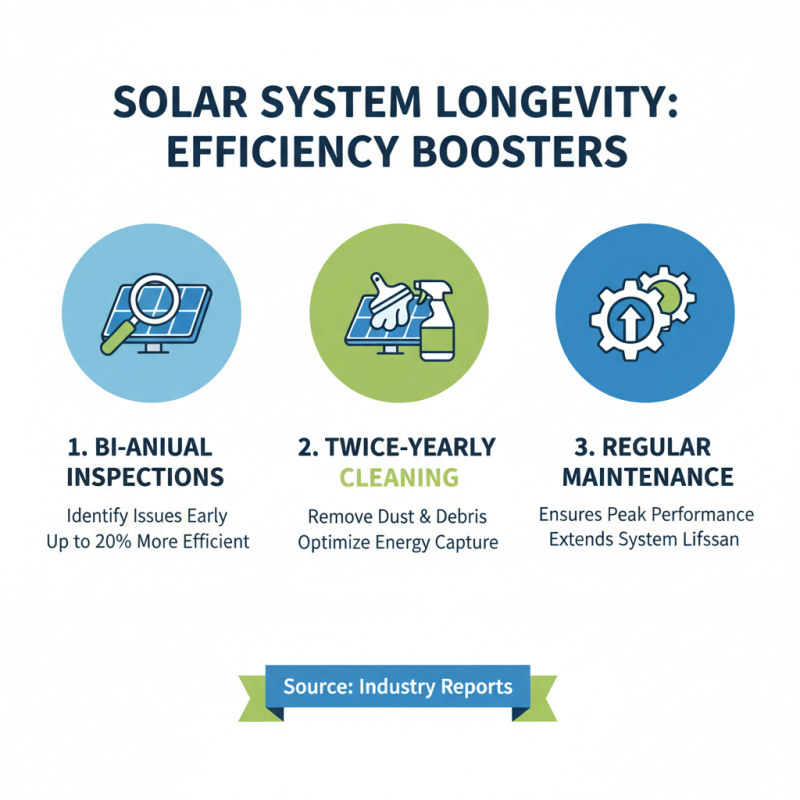
Maintaining your solar energy system is crucial for long-term efficiency. Regular inspections help identify any issues before they escalate. Industry reports suggest that homeowners who perform bi-annual checks can increase system efficiency by up to 20%. Dust and debris can accumulate on solar panels, reducing energy capture. Cleaning them twice a year is suggested to optimize performance.
Investing in quality materials is essential. Durable components can prevent frequent repairs. According to studies, systems with high-grade inverters last about 10 years longer than those with lower-quality options. Regularly check your inverter's display to monitor its health. Ignoring small malfunctions can lead to larger problems down the line.
Monitoring energy output monthly ensures your system is working correctly. If you notice a sudden drop, it could signal a problem. Some homeowners overlook small dips, assuming they are normal. Remember, consistent performance is the goal. Every kWh counts, and awareness is key to maximizing savings.