Top 5 Power Solutions Solar Innovations Reducing Costs and Boosting Efficiency in 2023
As the world pivots towards sustainable energy solutions, the solar industry continues to emerge as a beacon of innovation and efficiency. In 2023, the integration of cutting-edge technologies in power solutions solar is not only reducing costs but also significantly enhancing energy effectiveness. Expert in renewable energy technologies, Dr. Emily Harper, stated, "The advancements we are seeing in solar power solutions are not just about harnessing sunlight; they are about creating a more efficient and affordable energy future for everyone."
This paradigm shift is characterized by breakthroughs in solar panel design, energy storage capabilities, and intelligent management systems. As these innovations unfold, they pave the way for a more accessible and sustainable energy landscape. The convergence of technological improvements and decreasing costs positions power solutions solar at the forefront of the global energy transition, making it an exciting time for both consumers and industry stakeholders alike.
Join us as we explore the top five innovations in power solutions solar that are shaping the future of energy consumption and production in 2023, ultimately driving us towards a cleaner and more sustainable tomorrow.
Advancements in Photovoltaic Cell Technology Driving Down Costs by 20% in 2023
The landscape of solar energy is rapidly evolving, with advancements in photovoltaic cell technology leading the charge. In 2023, significant breakthroughs have been achieved that promise to reduce costs by an impressive 20%. These innovations stem from enhanced materials and manufacturing processes that not only improve efficiency but also lower the overall production expenses associated with solar panels. By leveraging cutting-edge techniques such as bifacial cell designs and advanced coating technologies, manufacturers are able to extract more energy from sunlight, translating to greater performance for consumers and businesses alike.
Moreover, the shift towards more efficient photovoltaic cells has spurred a competitive market where affordability becomes paramount. As production costs decrease, the benefits are reflected in lower prices for end-users, making solar energy a more accessible option for a wider audience. The integration of sustainable practices alongside these technical advancements also heralds a new era for the solar industry, fostering an environment where environmental impact is minimized, and long-term savings for consumers are maximized. This synergy of innovation and sustainability is setting the stage for broader adoption of solar solutions in the coming years.
Innovative Solar Tracking Systems Enhancing Energy Capture Efficiency by 30% This Year
Innovative solar tracking systems have emerged as a game-changer in enhancing energy capture efficiency, boasting a remarkable 30% improvement in energy generation this year. This technological advancement is critical in addressing the ever-increasing demand for renewable energy solutions amidst growing environmental concerns. With the Asia Pacific solar tracker market projected to grow at a compound annual growth rate (CAGR) of 5.48% through 2033, countries such as China, India, and Japan are leading the charge in harnessing this innovative technology to optimize solar energy usage.
Despite these advancements, opportunities are intertwined with challenges. The integration of mobile solar trackers, particularly in applications like RVs and food trucks, presents limitations due to their inability to continually follow the sun compared to fixed installations. Furthermore, the implementation of machine learning techniques to assess climate impacts on solar tracking systems highlights the need for adaptive methods to enhance energy output under varying environmental conditions. As we witness transformative innovations in solar, wind, hydrogen, and energy storage, the future of renewable technologies hinges on overcoming these challenges while capitalizing on emerging opportunities.
Top 5 Power Solutions Solar Innovations in 2023
This chart illustrates the efficiency improvements achieved by innovative solar tracking systems in 2023. The data showcases the percentage increase in energy capture efficiency across various solar installations.
Integration of Energy Storage Solutions Reducing System Levelized Cost of Energy (LCOE) by 15%
In 2023, the integration of energy storage solutions has emerged as a pivotal factor in lowering the system levelized cost of energy (LCOE) by approximately 15%. According to a recent report by the International Renewable Energy Agency (IRENA), the combination of solar power with advanced storage technologies is not only enhancing energy reliability but also providing significant economic benefits. With the costs of lithium-ion battery systems decreasing by nearly 50% since 2018, this synergy is making solar energy more accessible and efficient.
The decreasing LCOE is particularly notable in regions with high solar penetration. A study by Lazard reveals that the LCOE for solar plus storage has fallen to around $60 per MWh, making it one of the most competitive options in the energy market. By enabling better energy dispatch during peak demand periods and reducing curtailment loss, energy storage systems are helping to optimize the performance of solar installations. This trend reflects a broader shift towards renewable energy solutions that not only aim for sustainability but also address cost concerns, thereby encouraging widespread adoption of solar technologies.
Emerging AI and Data Analytics Applications Optimizing Solar Farm Management and Performance
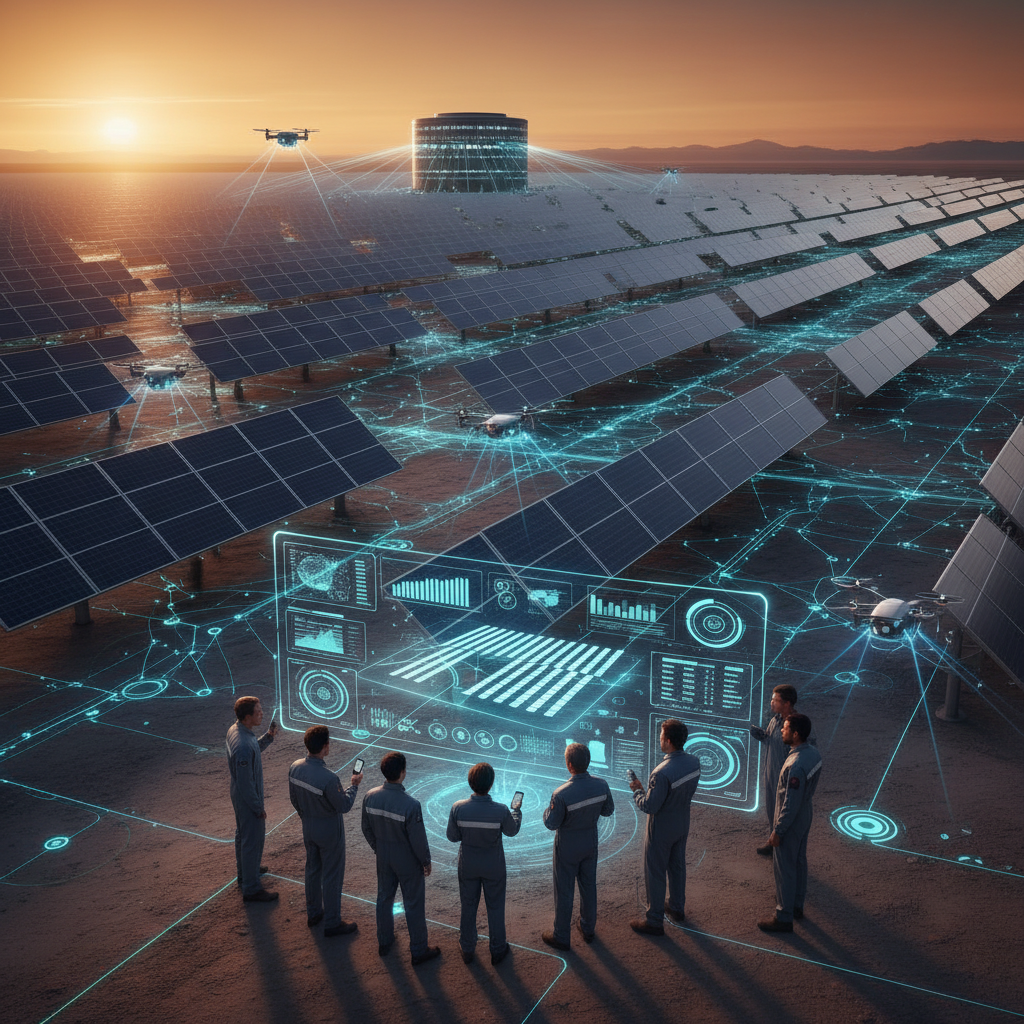
Emerging AI and data analytics applications are significantly enhancing solar farm management and performance, marking a crucial step towards optimizing resource utilization and reducing operational costs. With the increasing availability of real-time data analytics, operators can now make data-driven decisions that improve energy output and efficiency. Precision farming techniques, often adapted for solar energy practices, enable managers to monitor and predict performance trends, leading to timely interventions that enhance overall productivity.
In this context, advancements in machine learning are revolutionizing how solar farms are managed. Algorithms can analyze vast amounts of data collected from sensors and meteorological sources, allowing for the optimization of energy generation based on environmental factors. These technologies not only boost the efficiency of solar energy but also contribute to sustainable land use practices. As the global energy demand rises, integrating modern agricultural technologies with AI and data analytics offers a promising pathway to meet these challenges, ensuring that solar energy can play a pivotal role in achieving environmental sustainability while addressing energy needs.
Government Incentives and Subsidies Significantly Lowering Initial Investment Barriers for Solar Installations
In 2023, government incentives and subsidies have emerged as pivotal drivers in the solar energy sector, significantly lowering the initial investment barriers for solar installations. These financial aids enable both residential and commercial property owners to embrace renewable energy without the burden of overwhelming upfront costs. By providing tax credits, rebates, and low-interest loans, governments are making solar technology more accessible, encouraging wider adoption and fostering a cleaner energy landscape.
Furthermore, these incentives not only make solar investments financially viable but also stimulate local economies by creating green jobs in installation, maintenance, and manufacturing. As awareness of climate change grows, public support for solar initiatives is increasing, prompting policymakers to expand these programs. The combination of reduced costs and enhanced financial support is not only accelerating the transition to solar energy but also paving the way for future innovations that promise to further improve efficiency and lower expenses in the coming years.
Top 5 Power Solutions Solar Innovations Reducing Costs and Boosting Efficiency in 2023
| Innovation |
Cost Reduction (%) |
Efficiency Increase (%) |
Government Incentives ($) |
Payback Period (Years) |
| Bifacial Solar Panels |
20% |
15% |
3,500 |
4 |
| Hybrid Solar Systems |
25% |
10% |
4,000 |
5 |
| Smart Inverters |
15% |
20% |
2,000 |
3 |
| Energy Storage Systems |
30% |
18% |
5,500 |
6 |
| PV Module Efficiency Enhancement |
22% |
25% |
3,000 |
4.5 |