Top 10 Solar Installation Companies in China You Should Know?
As the world pivots towards renewable energy, solar installation has emerged as a vital sector in China. According to Dr. Li Wei, a recognized expert in renewable energy, "The future of energy lies in harnessing the sun's power." This statement highlights the urgency of adopting solar energy solutions. China's commitment to sustainable energy sources has birthed numerous companies specializing in solar installation.
However, not all solar installation companies are created equal. It is essential to identify reputable firms that deliver quality projects and reliable service. Consumers often face challenges in choosing the right partner. Therefore, understanding the strengths and weaknesses of these companies is crucial. Selecting an experienced provider can maximize the benefits of solar energy while minimizing potential pitfalls.
In a market that is rapidly evolving, consumer education is vital. Many individuals may still grapple with misconceptions about solar technology and its installation process. This emphasizes the need for transparency and trust in the solar installation industry. Identifying the top companies in this field can empower consumers to make informed decisions.
Overview of China's Solar Market Growth and Development Trends
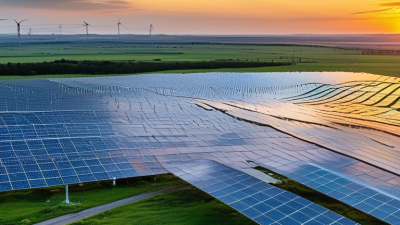
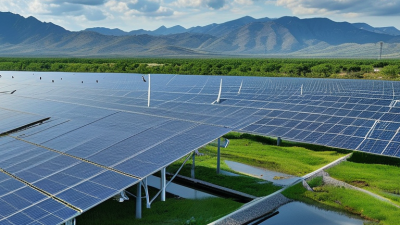
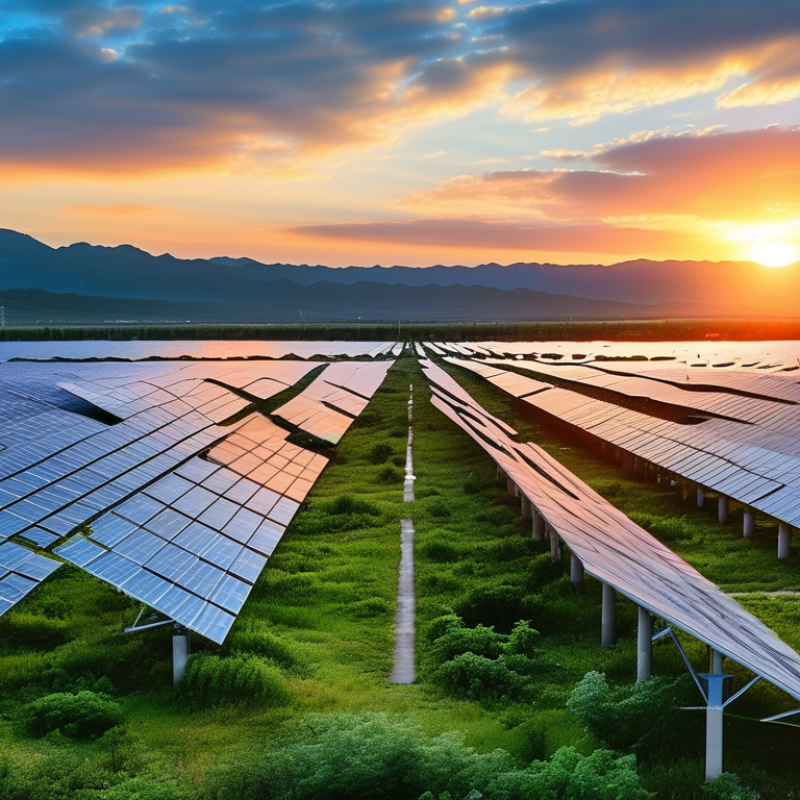
China's solar market has experienced rapid growth in recent years. With increasing demand for renewable energy, the country has became a global leader in solar installations. Various government policies support this growth, encouraging investment in solar technology and infrastructure. This boom is reflected in both large-scale solar farms and rooftop solar solutions in urban areas.
Despite the positive trends, challenges remain. Quality control is often inconsistent, leading to questions about the reliability of some solar products. Some installations may not meet expected performance levels. Additionally, there is a growing need for skilled professionals in this rapidly evolving industry. Training programs must catch up with the technology advancements to ensure sustainable growth.
The future of China's solar market is bright yet complex. Innovation will continue to drive this sector, but potential pitfalls exist. Addressing these concerns will be essential for ensuring continued development and expansion. The focus should be on improving installation standards and enhancing workforce skills. As this industry progresses, lessons learned must be reflected upon for better practices in the future.
Key Factors Driving the Success of Top Solar Installation Companies in China
The success of top solar installation companies in China stems from several key factors. First, these companies invest heavily in technology and innovation. They focus on developing efficient solar panels and reliable storage solutions. Advanced technology enables them to provide superior services. This focus on efficiency often translates to lower costs for consumers.
Community engagement is another driving force. Successful companies collaborate with local governments and communities. This builds trust and fosters a positive reputation. They offer educational programs about solar energy benefits. By increasing awareness, they generate interest in solar solutions.
For those considering solar installation, research is crucial. Look into the company’s background and customer reviews. This helps in understanding their reliability. Don’t hesitate to ask questions during consultations. Make sure to clarify the installation process. Understanding the timeline and costs will ease concerns.
Networking also enhances credibility. Companies that participate in industry associations gain recognition. This leads to partnerships, improving their expertise. A strong network of suppliers ensures they have quality materials.
Comparative Analysis of Leading Solar Installation Companies' Market Shares
The solar installation market in China is rapidly evolving. Companies are competing fiercely to capture larger market shares. Understanding market dynamics is crucial for industry stakeholders.
Leading firms show varying strengths in different regions. Some excel in technology-driven installations, while others focus on affordability. This diversity creates opportunities and challenges for consumers and businesses alike. Market share analysis helps identify key players and emerging trends.
Consider evaluating your energy needs carefully. Research different companies thoroughly. Look for customer reviews and their successful project history. This approach will help you make informed decisions. Pay attention to the technology used in solar panels. Not all installations are created equal. Look for innovations that enhance efficiency and durability.
Top 10 Solar Installation Companies in China You Should Know
| Company Rank |
Market Share (%) |
Annual Capacity (MW) |
Founded Year |
Headquarters Location |
| 1 |
18.5 |
5000 |
2001 |
Beijing |
| 2 |
15.7 |
4500 |
2004 |
Shanghai |
| 3 |
12.3 |
3800 |
2010 |
Guangzhou |
| 4 |
10.5 |
3200 |
2005 |
Shenzhen |
| 5 |
9.8 |
3000 |
2003 |
Hangzhou |
| 6 |
8.4 |
2800 |
2012 |
Nanjing |
| 7 |
7.2 |
2500 |
2011 |
Xi'an |
| 8 |
5.9 |
2300 |
2000 |
Wuhan |
| 9 |
4.3 |
2000 |
2008 |
Suzhou |
| 10 |
3.5 |
1500 |
2015 |
Chengdu |
Technical Innovations and Sustainability Practices in Solar Installations
In recent years, the solar installation industry in China has witnessed a dramatic transformation. Companies are not just expanding their capacity; they are innovating continuously. Technical advancements are crucial for enhancing efficiency and minimizing environmental impact. New materials and technologies are emerging, making systems more reliable and cost-effective.
Innovations such as bifacial solar panels are gaining traction. These panels capture sunlight from both sides, increasing energy output. Additionally, smart inverters are improving energy management. They allow homeowners to monitor their solar systems in real-time, leading to better efficiency and maintenance. Though these technologies show promise, challenges remain. Not every installation is optimized. Some systems still face integration issues, impacting long-term performance.
Sustainability practices are vital for the future. Many companies are prioritizing recycling old solar panels, aiming for a circular economy. However, the methods to do this efficiently are still under exploration. Companies are pushing for higher industry standards, yet inconsistencies exist across the market. The path forward is filled with potential but requires commitment and continual improvement.
Regulatory Environment Impacting Solar Installation Companies in China
The regulatory environment in China significantly influences solar installation companies. Policies have transformed the industry landscape. Favorable government incentives boost solar energy adoption. These include feed-in tariffs and tax benefits for renewable energy projects. However, the regulatory framework can be complex. Companies often struggle to navigate these evolving rules.
Moreover, regional regulations vary widely. Some provinces offer more support than others. This disparity can create challenges for solar firms. They might find it difficult to plan projects effectively. Compliance with various local regulations requires dedicated resources and expertise. Many companies may lack the necessary understanding, leading to potential setbacks.
While the overall trend is positive, uncertainty still exists. Companies must remain agile and informed. Keeping up with policy changes is crucial. Sometimes, investments in solar projects may not yield expected returns due to unforeseen regulations. Continuous adaptation will be key for success in this dynamic market.