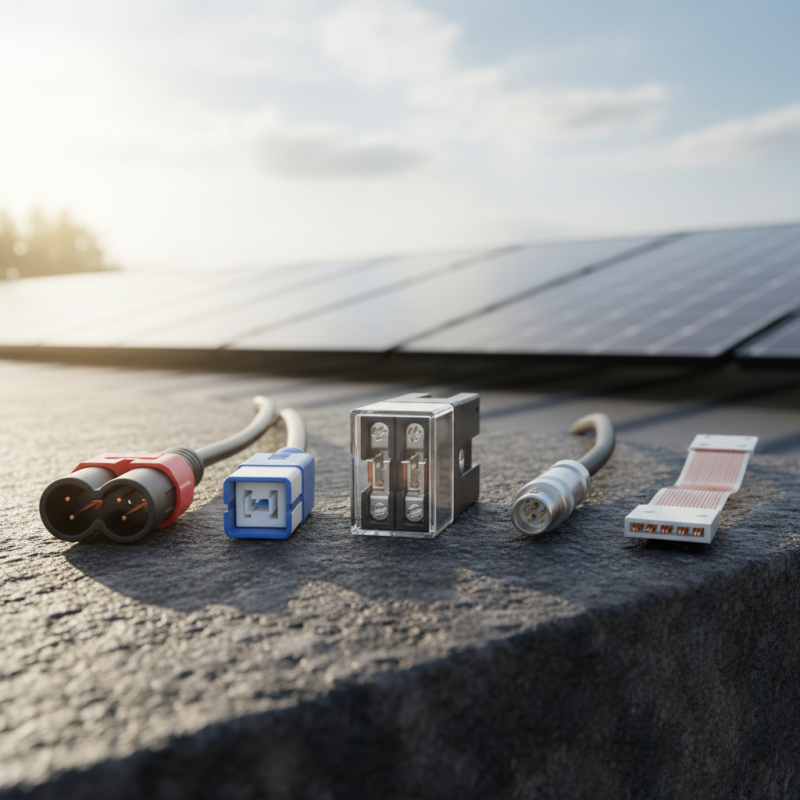
Top 5 Solar Panel Connectors You Need to Know?
In the expanding world of renewable energy, understanding Solar Panel Connectors is crucial. These connectors are often overlooked, yet they play a vital role in any solar installation. Proper connectors ensure efficient energy transfer and maintain the longevity of solar systems.
Choosing the right type can be overwhelming. The market offers various options, each with unique features and specifications. Knowing which connectors are right for your setup can greatly impact performance. Poor choices can lead to inefficiencies or even system failures.
As we explore the top 5 Solar Panel Connectors, it’s important to consider both quality and compatibility. Not all connectors are created equal. Each has strengths and weaknesses, which should be evaluated based on individual project needs. Keep in mind that the right choice can enhance your solar experience significantly.
Understanding Solar Panel Connectors: A Comprehensive Overview
Understanding solar panel connectors is crucial for any solar power system. These connectors link solar panels to inverters and batteries, ensuring efficient energy flow. Using the right connectors can make installation easier and safer. High-quality connectors resist environmental elements and improve system longevity.
When choosing connectors, consider their build quality. Some connectors are more durable, while others may degrade over time. Look for connectors that withstand temperature fluctuations and moisture. A poorly chosen connector can lead to energy loss and potential hazards.
Tips for choosing the right connectors: Always check compatibility with your solar panels. Make sure to select connectors with weatherproof ratings. This can help prevent rust and corrosion. Keep an eye on connections during maintenance checks. Loose connectors may lead to performance issues.
Pay attention to the installation process. Misalignment can lead to inefficiencies. Take your time to ensure everything fits correctly. A small oversight can impact overall energy production. Regular inspections of connectors help in identifying wear early. Proper maintenance extends the life of your solar energy system.
Types of Solar Panel Connectors: A Closer Look at Options Available
When selecting solar panel connectors, understanding available options is crucial. The most common types include MC4 connectors, which dominate the market due to their reliability and ease of use. According to a report by the Solar Energy Industries Association (SEIA), over 80% of installations use MC4 connectors. Their design allows for secure connections, minimizing the risk of power loss.
Another option gaining traction is the Anderson connector. This option is favored for its high current capacity and versatility. Research indicates that Anderson connectors can handle currents up to 350 amps, making them suitable for larger installations. Their robust design can be a double-edged sword; while durable, improper usage may lead to performance issues.
Additionally, there are connectors with innovative locking mechanisms. These help maintain secure connections even in harsh weather. However, the complexity of some designs can lead to installation errors. Industry experts warn that understanding the specific requirements of your solar system is vital. Poor connection choices can jeopardize efficiency and safety. Failure to choose appropriate connectors also risks voiding warranties on solar systems.
Key Features to Consider When Choosing Solar Panel Connectors
When selecting solar panel connectors, several key features must be considered. The first aspect is the connector type. Common types include MC4 and Tyco connectors. Each type has its pros and cons, which can affect installation and overall system effectiveness. Choosing the right type is crucial for ensuring compatibility and efficiency.
Another important feature is the IP rating of the connectors. An IP rating indicates the level of protection against dust and moisture. High-quality connectors typically have a rating of IP65 or higher. This ensures they can withstand harsh environmental conditions, which can lead to improved longevity.
One commonly overlooked aspect is ease of installation. Some connectors are designed for tool-free assembly. While this feature simplifies setup, it may compromise the robustness of the connection. Evaluating the balance between convenience and security is essential. Lastly, the material used for connectors affects not only durability but also performance. Look for connectors made of corrosion-resistant materials for better reliability.
Installation Tips for Popular Solar Panel Connector Types
When installing solar panel connectors, it is essential to focus on safety and efficiency. Choosing the right type of connector can significantly impact your solar system's performance. For example, MC4 connectors are widely used due to their reliability. However, ensure they are compatible with your panels before use.
Pay attention to the installation environment. Avoid long cable runs that can lead to voltage drops. Secure connectors using appropriate tools. Loose connections can cause energy loss and overheating. Regular maintenance is crucial. Check for corrosion and wear over time.
Another tip is to understand the weather conditions in your area. Extreme temperatures can influence connector performance. Keep connectors clean and free from debris to ensure optimal functionality. Always read the manufacturer's guidelines for specific installation procedures. Some guidelines can seem unclear, leading to potential errors. Take time to double-check everything. Adjust as necessary for better results.
Maintenance and Troubleshooting for Solar Panel Connectors
When it comes to solar panel connectors, maintenance and troubleshooting play a crucial role in performance. Connectors are essential for energy transfer in solar systems. A recent industry report states that improper connections can lead to energy losses up to 50%. Regular checks are vital to ensure all connectors are secure and free of dust or corrosion.
Tip: Inspect connectors every few months. Look for signs of wear or damage. Corroded connectors can significantly impact the system’s efficiency. Keeping connections clean ensures optimal power flow. Using a multimeter can help you check for continuity and resistance in the connections.
If issues arise, identifying problems early can save time and money. Loose connections can cause the system to underperform. Many users often overlook their solar connector setups, leading to reduced energy output. Checking the polarity of connections can prevent malfunctions. This simple step is often neglected but can avoid significant problems down the line.
Tip: Don’t ignore visual inspections. A quick look can prevent future complications. Ensuring the connectors are suitable for outdoor use is essential. Additionally, consider the temperature ratings—this can affect long-term reliability. Taking proactive measures can enhance the lifespan of your solar system.