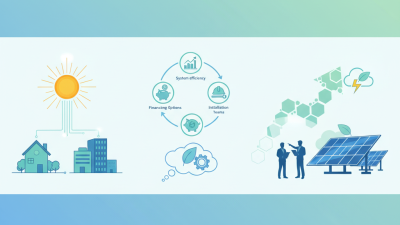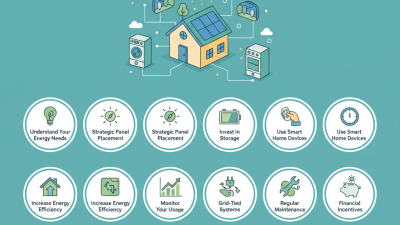
The future of energy is increasingly leaning towards sustainability. As climate change becomes more pressing, effective solar power solutions emerge as vital components. These solutions are essential for reducing carbon footprints and fostering a cleaner environment.
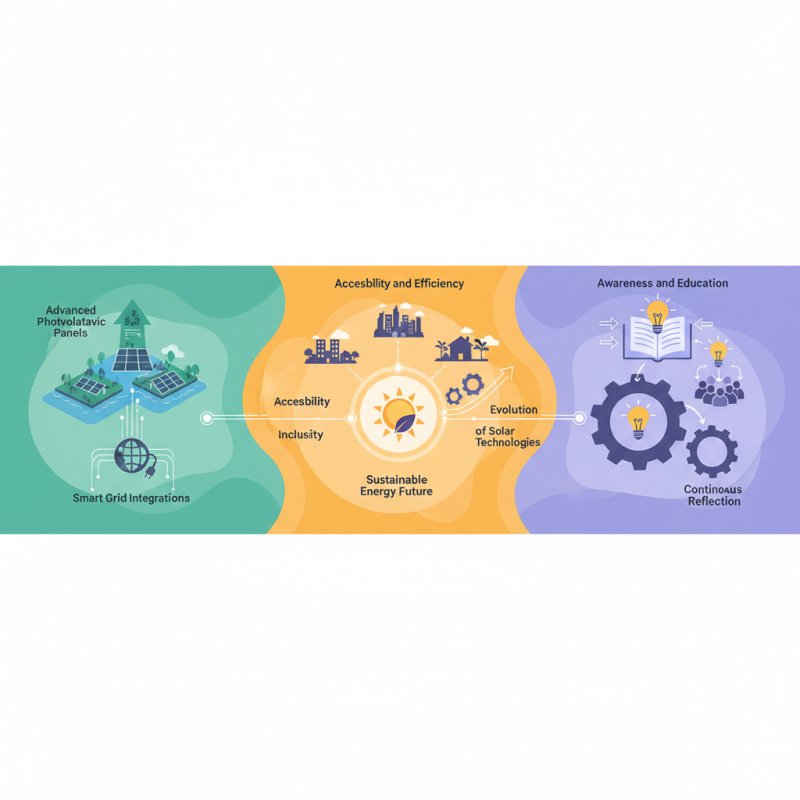
In 2025, innovative approaches will redefine how we harness solar energy. From advanced photovoltaic panels to smart grid integrations, the evolution of solar technologies is remarkable. However, challenges remain. Accessibility and efficiency still need improvement. Not all communities benefit equally from these advancements.
Reflecting on this journey, we realize that commitment to sustainability is necessary. The potential of solar power solutions is immense, yet we must navigate socioeconomic barriers. Prioritizing inclusivity in solar technology can help ensure that every community thrives in this energy transition. Awareness and education are crucial in empowering people to adopt these solutions. The path forward requires collective effort and continuous reflection.
The year 2025 promises exciting advancements in solar technology. Innovations are emerging to enhance energy efficiency at unprecedented levels. According to a recent report by the International Renewable Energy Agency, solar power capacity is expected to reach 3,000 GW globally by 2025. This growth is vital to meet sustainable energy targets.
Emerging technologies like bifacial solar panels may significantly increase energy output. These panels capture sunlight on both sides, leading to efficiency gains of up to 30%. However, challenges remain, such as high manufacturing costs and installation complexities. Research indicates that while efficiency is crucial, tackling these hurdles is essential for broader adoption.
Energy storage solutions are equally important. The market for solar batteries is on the rise, with a projected growth rate of 25% annually. Yet, the environmental impact of battery production raises questions. As we navigate these challenges, the future of solar energy appears promising, but it also demands thoughtful consideration of sustainability practices.
This bar chart displays the projected energy output (in Gigawatts) of various innovative solar power technologies expected to be prominent in 2025. The data illustrates the growing trend towards sustainable energy solutions and highlights the potential of emerging technologies in the solar power sector.
The field of photovoltaic technology is evolving rapidly. Recent advancements focus on increasing the efficiency of solar cells. New materials such as perovskite are gaining attention. They promise higher energy conversion rates. This is a significant step toward making solar energy more accessible.
Researchers are exploring innovative techniques to enhance efficiency. For instance, bifacial solar cells can capture sunlight from both sides. This simple shift can lead to impressive gains in energy output. However, challenges remain. Production costs and material stability are still concerns. The need for durable, efficient materials is urgent.
As we strive for a sustainable future, reflecting on these developments is crucial. The race to improve solar technology is not without its obstacles. Understanding the limitations of current solutions is vital. Embracing imperfections can lead to more resilient designs. The journey toward a greener energy landscape is ongoing and complex.
The integration of solar power with smart grid systems presents a significant opportunity for a sustainable energy future. Smart grids can efficiently manage energy supply and demand from solar sources. When solar energy is generated, it can be distributed immediately or stored for later use, reducing wastage. This real-time management can optimize energy efficiency and ensure a more resilient energy infrastructure.
However, this integration is not without challenges. Achieving compatibility between solar technologies and existing grid systems requires substantial investment and innovation. Moreover, the uneven distribution of sunlight throughout the day can lead to fluctuations in energy supply. This variability can stress the grid if not managed properly. Energy storage solutions, while promising, are still developing and may not be fully reliable yet.
In addition, public acceptance is crucial. Communities need to understand the benefits of smart grids and solar integration. Education is necessary to alleviate concerns about technology reliability and grid security. Addressing these issues will encourage broader adoption of solar solutions, paving the way for a cleaner, sustainable energy future.
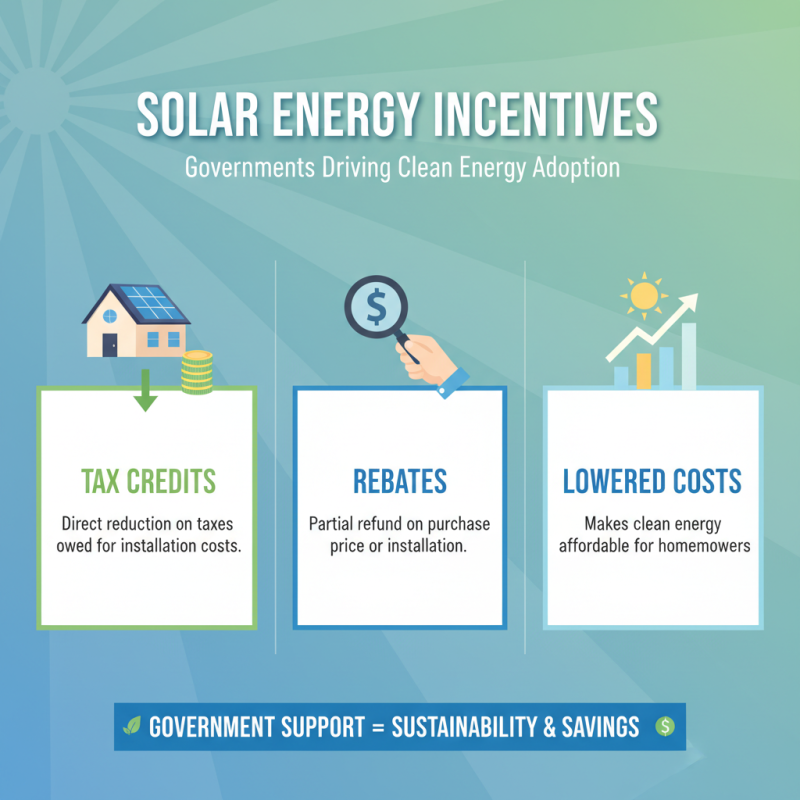
As the world shifts toward sustainability, policies and incentives are critical in promoting solar energy. Governments play a pivotal role. Many are offering tax credits and rebates for solar installations. These financial incentives can significantly lower the cost of solar panels. It can make clean energy accessible to more homeowners.
However, not every policy has been effective. Some regions have seen limited uptake due to bureaucratic processes. Complicated regulations may deter potential users. Education about the benefits of solar energy is also lacking. Many people still question its efficiency and cost savings. Addressing these concerns is essential for broader adoption.
Looking ahead, ongoing adjustments to incentives will be necessary. Policymakers need to engage with communities. Feedback from local citizens can enhance incentive programs. This approach can ensure that solar solutions are practical and truly beneficial. More transparency is vital. Empowering individuals and families with knowledge can lead to a more sustainable energy future.
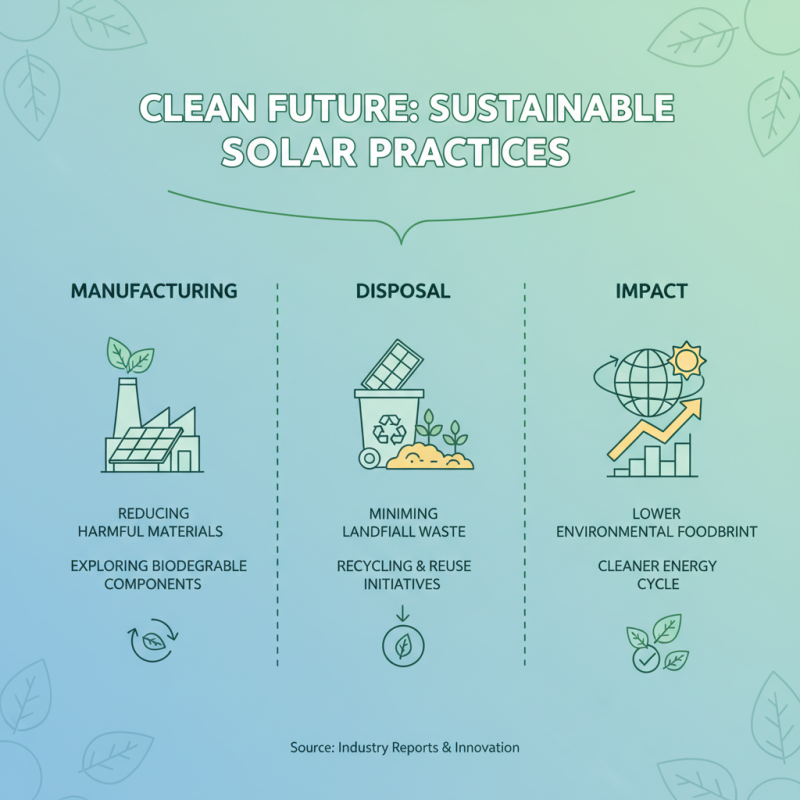
Sustainable practices in solar panel manufacturing and disposal are crucial for a cleaner future. The production of solar panels often involves materials that can be harmful to the environment. It’s important to minimize these impacts. Companies are exploring biodegradable materials. This shift can help reduce waste in landfills.
When disposing of old solar panels, recycling is key. Many components can be reused. Yet, not all regions have the facilities for recycling. This gap in infrastructure needs attention. People should check local options for proper disposal. Ignoring this can lead to serious environmental issues.
Tips:
1. Always research local recycling programs for solar panels.
2. Advocate for sustainable manufacturing practices in your community.
3. Support innovations that focus on eco-friendly materials.