Unlocking the Future of Renewable Energy with Innovative Solar Energy Systems
In the rapidly evolving landscape of renewable energy,
"solar energy systems" are at the forefront of innovation, presenting
unprecedented opportunities for sustainability and efficiency. According to a report by the
International Renewable Energy Agency (IRENA), solar power could
account for up to 30% of the world's energy supply by
2030, significantly contributing to the global energy
transition. The integration of advanced technologies, such as smart grid solutions and energy
storage, is reshaping the operational capabilities of solar energy systems, enhancing their
efficiency and reliability.
The global solar market has seen a remarkable compound annual growth rate (CAGR) of over
20% in recent years, driven by the decreasing cost of
photovoltaic technologies and increasing governmental support. As we unlock the future of
renewable energy, it is imperative to harness these innovative solar energy systems to meet the
growing energy demands while minimizing environmental impact.
Revolutionizing Solar Energy: Cutting-Edge Technologies for a Sustainable Future
The future of solar energy is being redefined through a wave of cutting-edge technologies that promise to enhance efficiency and accessibility. Innovations such as bifacial solar panels, which capture sunlight from both sides, are significantly increasing energy yields while reducing land use. Additionally, advances in photovoltaic materials, including perovskite solar cells, are paving the way for lighter, cheaper, and more efficient solar solutions. These technologies not only improve performance but also foster a more sustainable integration of solar power into urban environments.
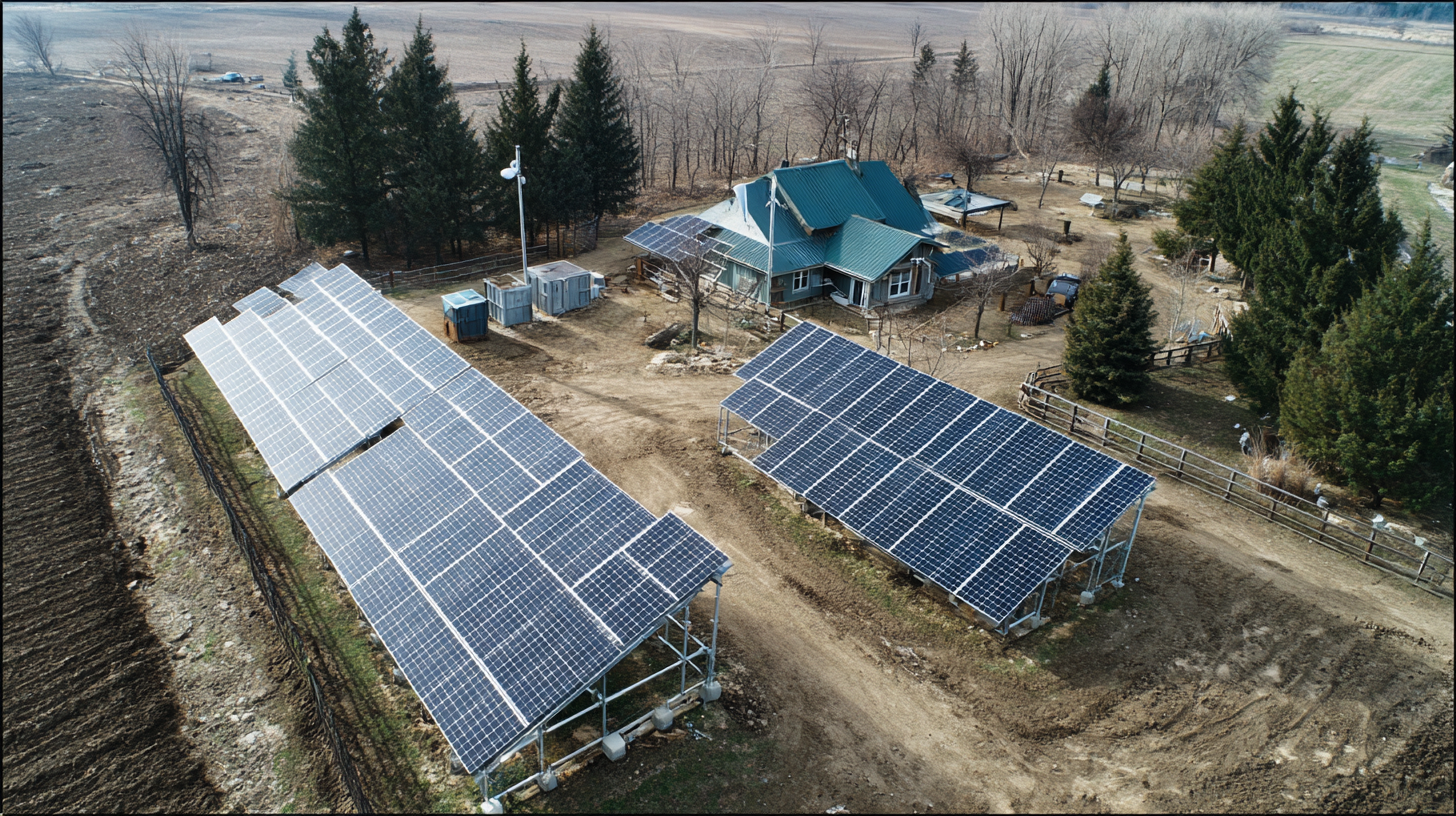
Moreover, smart solar energy systems equipped with advanced battery storage and energy management software allow homeowners and businesses to optimize energy use in real time. These systems enhance energy independence and reliability by enabling users to store excess power generated during peak sunlight hours for use during darker periods. By harnessing these innovative technologies, the solar energy sector is not only moving towards greater sustainability but also democratizing energy production, making it feasible for a broader audience to transition to renewable energy sources.
Harnessing Big Data: Optimizing Solar Energy Systems for Efficiency
The integration of big data into solar energy systems is revolutionizing the efficiency and effectiveness of renewable energy sources. According to the International Renewable Energy Agency (IRENA), the global solar power capacity reached 1,000 GW for the first time in 2020, showcasing a rapid annual growth rate of around 20%. However, harnessing this potential requires sophisticated data analytics to optimize energy production and consumption patterns.
By analyzing large datasets collected from solar installations, companies can identify optimal panel placements, forecast energy output, and predict maintenance needs with greater precision. A report by McKinsey & Company indicates that implementing data-driven solutions can enhance solar energy efficiency by up to 30%. This optimization is not only beneficial for energy providers but also significantly reduces costs for consumers, making solar energy a more viable and attractive option in the energy market.
Furthermore, advanced algorithms and machine learning techniques enable real-time monitoring of solar systems, allowing for immediate adjustments to take advantage of changing environmental conditions. As the market continues to grow, leveraging big data will be crucial in unlocking the future of solar energy, paving the way for a more sustainable and efficient energy landscape.
Unlocking the Future of Renewable Energy with Innovative Solar Energy Systems - Harnessing Big Data: Optimizing Solar Energy Systems for Efficiency
| System Type |
Installed Capacity (kW) |
Efficiency (%) |
Annual Energy Output (MWh) |
Big Data Utilization |
| Monocrystalline Solar |
300 |
20 |
550 |
Performance Analytics |
| Polycrystalline Solar |
250 |
17 |
400 |
Predictive Maintenance |
| Thin-Film Solar |
200 |
14 |
300 |
Data-Driven Optimization |
| Bifacial Solar |
350 |
22 |
700 |
Energy Yield Prediction |
| Concentrated Solar Power |
500 |
25 |
1200 |
Grid Integration Analysis |
Innovative Storage Solutions: Bridging Gaps in Solar Energy Supply
Innovative storage solutions are essential to maximizing the potential of solar energy systems. As the production of solar power can be intermittent, relying solely on direct sunlight can lead to significant gaps in energy supply. Advanced battery technologies, including lithium-ion and emerging solid-state batteries, offer ways to store excess energy generated during peak sunlight hours for use during night or cloudy periods. These systems ensure a consistent power supply, making solar energy more reliable and accessible for residential and commercial use.
Moreover, integrating artificial intelligence (AI) into storage management can further enhance energy efficiency. Predictive algorithms can optimize charging and discharging cycles based on weather forecasts and consumption patterns. By intelligently managing energy flow, these innovative solutions are not only reducing waste but also lowering costs, making solar energy a more attractive option for consumers. As technology continues to evolve, the seamless coupling of solar energy generation with sophisticated storage methods will pave the way for a sustainable energy future, thereby bridging the existing gaps and fostering a more resilient energy grid.
Smart Grids and Solar Energy: The Future of Energy Distribution
The future of energy distribution is set to be transformed by the integration of smart grids and solar energy systems. According to a report by the International Energy Agency (IEA), the global solar power capacity reached over 700 GW in 2020, and is projected to double by 2025. This exponential growth in solar energy generation necessitates advanced distribution frameworks like smart grids, which enhance the reliability and efficiency of energy delivery. Smart grids equipped with IoT technology enable real-time monitoring and management of energy flow, accommodating the variable nature of solar energy production.
Moreover, the U.S. Department of Energy highlights that smart grid technologies can reduce energy transmission losses by up to 30%, improving overall efficiency. In a world where renewable sources are increasingly dominant, these technologies enable energy consumers to not only use solar power but also to participate actively in energy trading. This accommodation of decentralized energy resources symbolizes a shift towards a more resilient and responsive energy ecosystem, ultimately empowering consumers and reducing reliance on fossil fuels. With smart grids facilitating the seamless integration of solar energy, we are entering a new era of energy distribution that promises sustainability and innovation.
Unlocking the Future of Renewable Energy with Innovative Solar Energy Systems
Integrating IoT with Solar Systems: Enhancing Performance and Monitoring
As the demand for renewable energy surges, the integration of Internet of Things (IoT) technology with solar energy systems stands out as a groundbreaking development. By leveraging IoT, solar systems can achieve enhanced performance through real-time monitoring and data analysis.
Sensors embedded within solar panels can track variables such as sunlight exposure, temperature, and energy output, allowing for immediate adjustments to optimize efficiency. This data-centric approach not only maximizes energy generation but also extends the lifespan of solar installations.
Tip: When setting up your solar system, consider investing in IoT-enabled devices that provide predictive maintenance alerts. These alerts can help you tackle potential issues before they escalate, ensuring your system remains operational at peak performance.
Moreover, IoT integration facilitates comprehensive monitoring from anywhere, empowering users to manage their solar energy systems remotely. Mobile applications can provide instant insights into energy consumption patterns and production rates, enabling homeowners to make informed decisions about energy usage.
With such intelligence at their fingertips, users can adopt more sustainable practices, further contributing to the reduction of carbon footprints.
Tip: Regularly review the data provided by your IoT-enabled solar system. This practice helps you identify trends in energy production and consumption, allowing for smarter energy management and savings on utility costs.