How to Use Solar Electricity for Your Home Efficiently?
As we strive for sustainable living, solar electricity is becoming a significant topic. It offers a promising solution for household energy needs. According to Dr. Emily Rivera, a solar energy expert, "The potential of solar electricity is vast, but many homeowners still overlook its efficiency." This remark highlights an important reality.
Implementing solar electricity in our homes can reduce energy bills. However, many face challenges in using it effectively. Placement of solar panels is crucial. They should be positioned to capture maximum sunlight. Inadequate planning, however, can lead to underperformance.
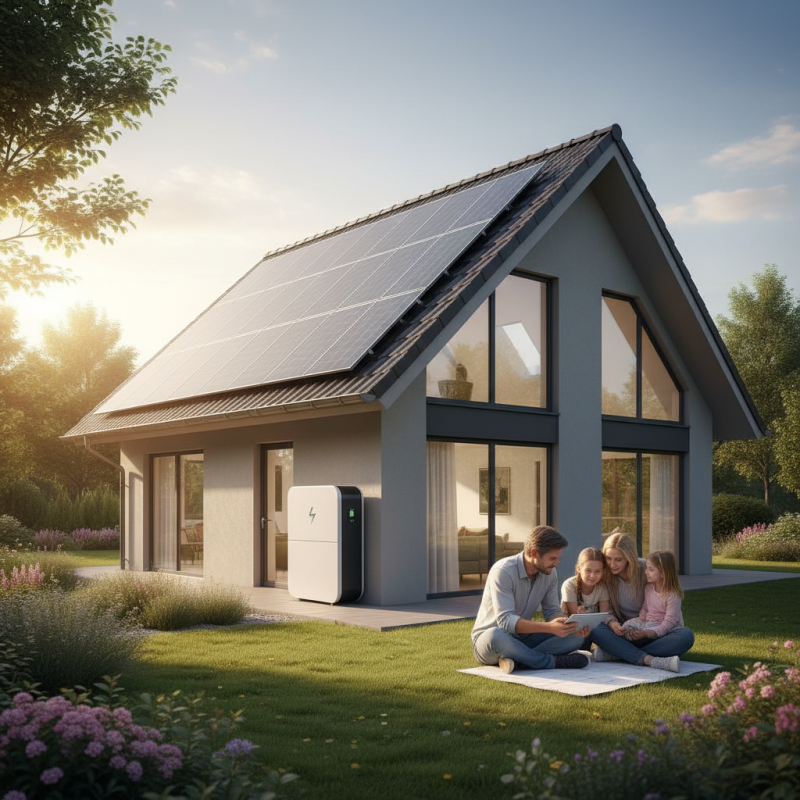
Homeowners might need to rethink their approach. This may involve considering energy storage systems. These systems can help utilize solar electricity during non-sunny periods. Yet, they can be costly and require careful planning. Embracing solar electricity is a journey, and not every step is straightforward. Reflecting on these aspects can lead to better use of this renewable resource.
Understanding Solar Electricity: A Comprehensive Overview
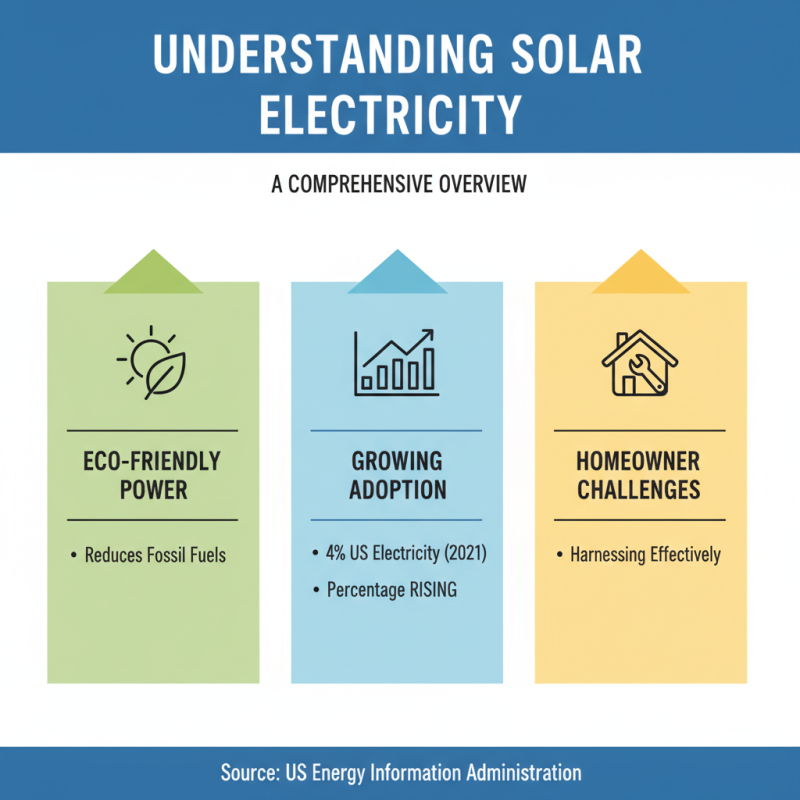
Solar electricity is becoming increasingly important for homeowners. It provides an eco-friendly energy source that can reduce reliance on fossil fuels. According to the U.S. Energy Information Administration, solar energy accounted for nearly 4% of total electricity generation in 2021. This percentage is set to rise as more people recognize its benefits. However, many homeowners still face challenges in harnessing solar power effectively.
Efficiency in solar electricity use starts with understanding the technology behind it. Solar panels convert sunlight into electricity through photovoltaic cells. More efficient models can convert over 22% of sunlight into usable energy. However, not every installation maximizes this potential. Factors such as panel placement, shading, and local weather impact energy production.
Homeowners often underestimate the significance of energy storage. A report from the International Energy Agency states that battery storage will become crucial for increased solar adoption. Without it, homeowners cannot utilize solar energy fully during non-sunny hours. Monitoring and adjusting energy consumption habits also plays a role. Small changes in daily usage can lead to more efficient energy management, reducing bills significantly. Embracing solar electricity requires continuous learning and adapting to new technologies and strategies.
Evaluating Your Home's Energy Needs for Solar Solutions
Evaluating your home's energy needs is the first step when considering solar solutions. Start by analyzing your monthly energy bills. Note the peak usage months. Are there specific appliances that consume more power?
Using this information, you can determine how much solar electricity you need. Calculate your average daily usage in kilowatt-hours. This will help you understand the size of the solar system required for your home.
Tips: To reduce energy consumption, consider energy-efficient appliances. They can significantly lower your monthly bills. Check if your home is well-insulated. Poor insulation can lead to energy loss, affecting your solar efficiency.
Next, think about future changes. Are you planning to expand your family or add new appliances? These changes can affect your energy needs. Don’t just consider your current usage; prepare for what's ahead.
Tips: Installing a smart meter can help track your usage daily. Educate yourself on solar options that adapt to your changing needs. This ensures you're not shortchanging your investment later on.
Choosing the Right Solar System: Types and Features
Choosing the right solar system for your home is crucial for maximizing efficiency. There are various types available, each with unique features. Photovoltaic (PV) systems are popular for residential use. They convert sunlight into electricity, which can save homeowners 50-70% on their energy bills, according to the U.S. Department of Energy.
You could also consider solar thermal systems. These systems use sunlight to heat water, which is perfect for homes with high hot water demands. Interestingly, a study by the National Renewable Energy Laboratory shows that solar thermal systems can reduce energy costs by 40% in water heating. However, their efficiency greatly depends on location and system size, so careful evaluation is necessary.
Battery storage is another feature worth considering. It allows you to store excess solar energy for use during cloudy days or nighttime. The Solar Energy Industries Association reports that battery storage sales have increased by 25% in recent years. But be mindful of installation costs, as they can sometimes outweigh benefits in certain areas. Thoughtful planning and research can lead to the most effective solar solution for your home.
How to Use Solar Electricity for Your Home Efficiently? - Choosing the Right Solar System: Types and Features
| Solar System Type |
Features |
Efficiency (%) |
Cost per Watt ($) |
Lifespan (Years) |
| Monocrystalline |
High efficiency, space-efficient, long lifespan |
15-22 |
$0.80 - $1.20 |
25 |
| Polycrystalline |
Lower cost, slightly less efficient |
13-16 |
$0.70 - $1.00 |
25 |
| Thin-Film |
Lightweight, flexible, less material waste |
10-13 |
$0.50 - $0.80 |
15-20 |
| Bifacial |
Generates power from both sides, increased energy yield |
15-20 |
$0.90 - $1.50 |
25 |
Integrating Solar Power with Your Home's Electrical System
Integrating solar power with your home's electrical system can be a rewarding experience. It starts with understanding your home's energy needs. Calculate how much electricity your household consumes monthly. This will guide your solar panel installation size. Each home's requirements differ, so one solution doesn't fit all. It's important to reassess your energy usage as your needs might change over time.
Once you’ve determined your energy needs, consider the placement of solar panels. Roof orientation and shading are crucial factors. Panels on a south-facing roof generally receive the most sunlight. However, inconvenient roof shapes can pose challenges. Sometimes, ground-mounted systems provide a viable alternative. Optimize their location for maximum sun exposure.
Finally, remember to monitor your energy production. You might find discrepancies between expected and actual output. Regular checks can help you identify issues early. Understanding the integration process can be daunting. Be prepared for potential obstacles, but keep exploring solutions. Progress takes time and patience. Embrace learning through the integration journey.
Monthly Solar Electricity Production vs. Household Consumption
Maximizing Efficiency: Tips for Solar Energy Usage in Daily Life
Using solar electricity efficiently can significantly impact your energy bills. Here are some practical tips to help maximize the benefits of solar energy in your daily life.
Consider using energy-efficient appliances. They consume less power and can increase your savings. For instance, LED lights use a fraction of the energy compared to traditional bulbs. This small change can lead to noticeable savings over time.
Timing matters. Use heavy appliances during peak sunlight hours. For example, run your dishwasher or washing machine mid-afternoon when solar production is at its highest. This practice can minimize reliance on the grid. Remember, it might feel inconvenient at first, but it's worth adapting your routine.
Be mindful of your energy use. Track which devices consume the most power. You might discover surprises. Sometimes, simple habits like turning off unused electronics can make a difference. It’s important to reflect on your daily energy habits. Every small effort contributes to your overall efficiency.