Skip to content

2026 Best Solar Energy Contractors for Global Buyers

Global solar deployment has entered a faster, more competitive phase. The International Energy Agency reported that renewable capacity additions reached nearly 510 gigawatts in 2023. Solar photovoltaic systems represented about three-quarters of that growth. This momentum is reshaping how global buyers evaluate solar energy contractors.

The market is expanding quickly.

However, capacity statistics do not guarantee project quality. Buyers still need contractors who can verify equipment certifications, forecast energy yields, manage grid connections, and provide dependable after-sales service. IRENA’s Renewable Capacity Statistics 2024 recorded solar capacity as the largest contributor to new renewable installations. That figure shows scale, not reliability. A poorly designed rooftop system can still produce disappointing results under dust, heat, shading, or weak maintenance.

Fatih Birol, Executive Director of the International Energy Agency, described solar power as “the new king of electricity.” His statement reflects falling costs and expanding adoption, but it should not replace careful procurement. The best solar energy contractors combine engineering evidence with local experience. They explain inverter warranties, degradation rates, battery limitations, and expected seasonal output in plain language.

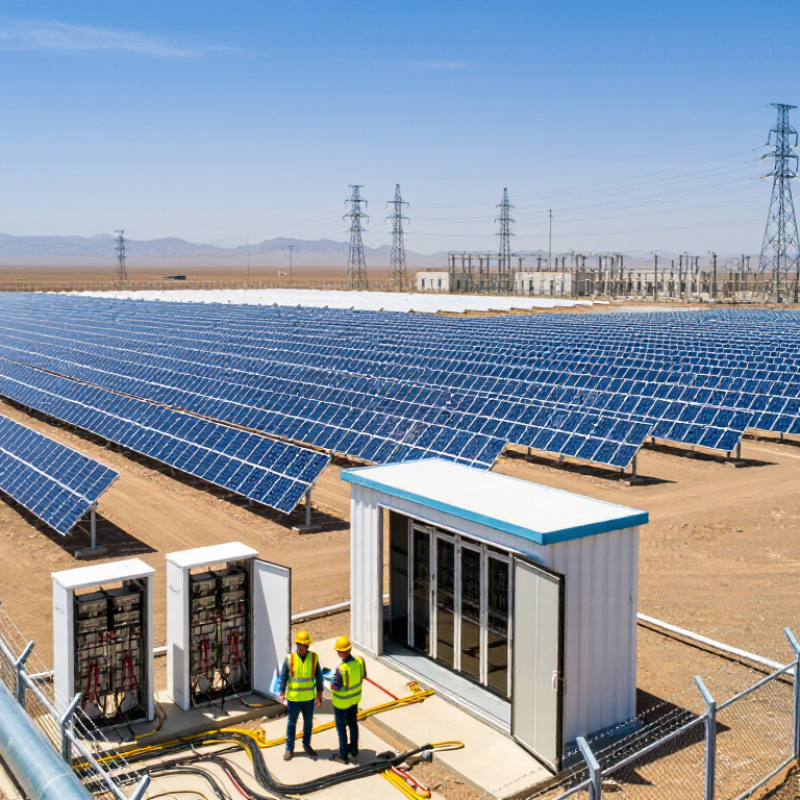
Global buyers should examine audited project records, independently verified performance data, safety procedures, and transparent pricing. Site photographs matter. So do the details: cable routing, drainage around ground-mounted panels, and the cleanliness of inverter rooms.

No contractor is perfect.

Even reputable firms can underestimate permitting delays or supply-chain risks. This guide compares leading providers through a practical lens, while recognizing that regional conditions can change the final decision. Reliability is earned through documented performance, not confident promises.

2026 Best Solar Energy Contractors for Global Buyers

Definition and Role of Solar Energy Contractors in Global Markets

Solar energy contractors design, source, install, and maintain photovoltaic power systems.

Their work connects technical plans with real site conditions. A reliable contractor studies sunlight, roof strength, soil quality, drainage, and nearby grid capacity before proposing equipment. They also coordinate engineers, electricians, inspectors, and logistics teams.

In global markets, contractors often manage more than construction. They review local permits, import rules, electrical standards, labor requirements, and environmental conditions. A coastal project may need corrosion-resistant materials. A desert site may require dust control and wider maintenance access. Contractors should provide yield estimates, itemized costs, testing records, and clear warranty terms. These documents help buyers compare offers across countries.

Good contractors communicate limits, not only benefits. Weather data can be incomplete. Delivery schedules can change. No contractor gets every forecast right. Experienced teams explain assumptions and update the financial model when conditions shift. Buyers can request project references, safety records, insurance evidence, and commissioning procedures. A site walk can reveal problems that satellite images miss, such as afternoon shadows from a water tank. Independent inspections also add useful protection, although they may slow the schedule. Local expertise matters, but it should support documented engineering rather than replace it.

Key Criteria for Evaluating Solar Contractors in 2026

Choosing a solar contractor in 2026 requires more than comparing installation prices. Global demand is accelerating: the International Energy Agency reported about 510 gigawatts of renewable capacity additions in 2023, with solar accounting for roughly three quarters. Contractors must show experience with similar climates, grid rules, and project sizes. Ask for completed sites, commissioning records, and evidence of trained electrical teams.

Financial resilience matters. IRENA’s Renewable Power Generation Costs in 2023 found that 81% of newly commissioned utility-scale renewable projects cost less than fossil-fuel alternatives. However, lower equipment prices can hide weak service capacity. Review audited financial information, insurance coverage, spare-parts planning, and warranty response times. A contractor should explain expected annual yield using shading studies, degradation assumptions, and local weather data. Vague production promises deserve caution.

Safety and documentation are equally important. Request risk assessments, testing certificates, single-line diagrams, and a clear handover package. International Electrotechnical Commission standards can guide module, inverter, and installation checks. The Global Solar Power Tracker has also shown the scale of utility-scale development worldwide, making supply-chain traceability increasingly relevant. I would not treat a polished proposal as proof of competence. Site visits can reveal untidy cable routes, poor drainage, or inaccessible maintenance areas. Some evaluation mistakes are unavoidable, especially when future grid conditions remain uncertain. That uncertainty should be measured, disclosed, and priced rather than ignored.

Regional Comparison of Leading Solar Energy Contractors

Regional comparison matters when selecting solar energy contractors for global projects. In 2026, contractors in Southern Europe often offer strong rooftop experience and practical grid knowledge. North American firms may provide advanced monitoring and detailed project documentation. Southeast Asian contractors can be competitive in manufacturing-linked supply chains and large commercial installations. Middle Eastern teams often understand high heat, dust, and water scarcity. These strengths vary by project, not just by location.

A reliable contractor should show completed projects in similar climates and system sizes. Request production records, maintenance response times, warranty terms, and safety documentation. Experienced teams should explain shading losses, inverter placement, battery cycling, and local interconnection requirements clearly. Certification can support credibility, but it does not replace site evidence. Some regional data remains uneven. No comparison is perfect.

Tips: Compare at least three regional bids. Check references older than two years. Ask who performs repairs locally. Review transport risks, spare-part availability, insurance, and payment stages. Use independent engineering checks before signing. A low initial quote may hide difficult maintenance costs. Regional expertise helps, but assumptions can still fail under unusual weather. Reliable decisions need measured evidence, not polished promises.

Project Planning, Contracting, and Installation Processes

2026 Best Solar Energy Contractors for Global Buyers

Successful solar projects begin with disciplined planning, not attractive quotations. Buyers should define energy demand, available roof or land, local weather, and grid conditions. A professional contractor will request twelve months of electricity bills and conduct an on-site survey. Measurements should include shading, roof strength, drainage, access routes, and cable distances. Digital models help, but field observations remain essential.

The contracting stage should convert technical promises into measurable duties. Request an itemized proposal covering equipment specifications, system capacity, expected annual output, labor, transport, taxes, testing, and commissioning. Payment milestones should follow verified progress, such as design approval, delivery inspection, installation completion, and performance testing. Clarify responsibilities for permits, grid connection, insurance, maintenance, and waste handling. Warranty terms need clear response times and service procedures. A low price can hide costly exclusions.

Installation requires controlled sequencing and documented inspections. Contractors should label cables, protect roof penetrations, verify grounding, and record test results before energizing the system. Ask for photographs, as-built drawings, operating manuals, and training for local staff. Project schedules are rarely perfect. Weather, customs delays, or structural repairs may change the plan. That is normal, but unexplained changes are not. Buyers should keep a decision log and review production assumptions against real operating data after commissioning. A spreadsheet can still mislead. Experienced oversight remains valuable.

Global Standards, Costs, Risks, and After-Sales Support

2026 Best Solar Energy Contractors for Global Buyers

Global buyers should judge solar contractors against local grid rules, climate demands, and documented installation experience. Ask for test reports covering IEC 61215 and IEC 61730 for modules. Inverters should meet relevant safety and grid-connection requirements. A certificate alone proves little. Verify its scope, issuing laboratory, and expiration date. Request records from projects in similar heat, humidity, wind, or snow conditions. A coastal site may need stronger corrosion protection than a dry inland site.

Compare the complete project cost, not only the equipment quotation. Include transport, customs duties, site preparation, permits, insurance, taxes, commissioning, and spare parts. A low offer can hide expensive exclusions. Check payment stages carefully. Use a written schedule linked to inspections and performance tests. Contractors should explain expected energy yield and degradation with clear assumptions. Weather changes can reduce output, and projected savings are never guaranteed.

Risk control continues after installation. Confirm who handles remote monitoring, fault alerts, replacement parts, and technician visits. Ask how quickly support responds across time zones. Keep serial numbers, test results, wiring diagrams, and commissioning records in one secure file. A contractor with local service capacity is often more reliable than a distant seller. Still, local presence does not guarantee skill. I would also request customer references and an independent site inspection. My own review might miss hidden roof damage, so a second technical opinion is worth the cost.

2026 Best Solar Energy Contractors for Global Buyers - Global Standards, Costs, Risks, and After-Sales Support

Market / Region Typical Buyer Project Indicative EPC Cost
(USD/W, 2025–2026)
Typical Annual Yield Key Technical Standards Permitting & Grid Requirements Main Project Risks Recommended Contractor Evidence After-Sales Support Benchmark
North America
United States and Canada
Commercial rooftops, farms, warehouses, and utility-scale systems; approximately 100 kW to 100+ MW Approximately $1.00–$2.25/W for commercial systems; utility-scale projects can be lower depending on site and interconnection About 1,000–1,800 kWh/kW per year, depending on latitude, orientation, snow, and system losses IEC 61215 and IEC 61730 for modules; UL 61730 and local electrical codes are commonly required; IEEE 1547 is relevant to distributed-generation interconnection Authority-having-jurisdiction permits, utility interconnection studies, fire-code compliance, structural review, and local labor requirements Long interconnection queues, severe weather, snow loading, tariff changes, local-content rules, and contractor labor availability Local licenses, electrical-contractor credentials, stamped engineering drawings, safety records, insurance, audited references, and documented commissioning procedures Remote monitoring, response within 1–2 business days, spare-parts plan, preventive maintenance, and clear workmanship and equipment warranty administration
European Union
Western, Central, and Northern Europe
Residential and commercial rooftop systems, industrial facilities, agrivoltaics, and ground-mounted projects; approximately 30 kW to 100+ MW Approximately €0.75–€1.60/W for commercial rooftop EPC; ground-mounted costs vary significantly by land, grid, and civil works About 850–1,450 kWh/kW per year, with higher values in southern Europe and lower values in northern climates IEC 61215, IEC 61730, EN 50549 for grid connection, CE conformity, and applicable national electrical and construction standards Municipal planning approval, distribution-network approval, structural and fire assessments, environmental screening, and country-specific registration Grid-capacity constraints, complex planning rules, negative-price exposure, roof-condition issues, snow or wind loads, and changing subsidy schemes VAT-compliant contracting, professional indemnity insurance, CE documentation, test certificates, construction schedule, and transparent energy-yield assumptions Digital monitoring, annual performance reports, multilingual documentation, planned inspections, and documented escalation procedures for warranty claims
Middle East
Gulf countries and high-solar-irradiance markets
Large rooftops, carports, industrial plants, desalination facilities, and utility-scale solar; approximately 1 MW to 1+ GW Approximately $0.55–$1.10/W for large projects; additional costs may arise from site preparation, storage, and transmission connection About 1,600–2,300 kWh/kW per year, subject to dust, temperature, humidity, and cleaning frequency IEC 61215, IEC 61730, IEC 62446-1 for testing and documentation, IEC 61701 for salt-mist exposure where applicable, and local utility codes Utility technical approval, land and environmental permits, civil-defense requirements, dust and stormwater planning, and local-content obligations in some tenders Extreme heat, soiling, sand abrasion, flash flooding, high wind, water availability for cleaning, and delayed grid energization Hot-climate product qualification, thermal-design calculations, cleaning methodology, occupational-safety plan, local service capability, and bankable performance guarantees Automated monitoring, defined cleaning intervals, thermographic inspections, critical-spares inventory, and on-site service response within 24–72 hours
South Asia
India, Pakistan, Bangladesh, and neighboring markets
Rooftop systems, captive industrial generation, agricultural pumps, mini-grids, and utility-scale plants; approximately 10 kW to 500+ MW Approximately $0.45–$0.95/W for many grid-connected projects; financing, import duties, and civil works can materially change the final price About 1,200–1,750 kWh/kW per year, depending on monsoon conditions, location, tilt, and system availability IEC 61215, IEC 61730, IEC 62446-1, local Bureau of Indian Standards or national requirements, and distribution-utility interconnection rules Net-metering or open-access approval where available, structural checks, land conversion, environmental permissions, and local electrical inspection Currency and import exposure, payment delays, weak distribution grids, monsoon damage, rooftop quality, and inconsistent after-sales coverage outside major cities Tax registration, local installation history, audited project references, module traceability, warranty authorization, financial security, and regional service teams Local-language manuals, telephone and digital support, quarterly performance checks, replacement-part availability, and a written claims process
East and Southeast Asia
Industrial and export-oriented markets
Factory rooftops, logistics centers, commercial buildings, floating solar, and utility-scale plants; approximately 100 kW to 1+ GW Approximately $0.50–$1.25/W for commercial and utility systems, subject to land, typhoon design, and interconnection costs About 950–1,650 kWh/kW per year, with lower output in persistently cloudy or high-humidity locations IEC 61215, IEC 61730, IEC 62446-1, IEC 61701 in coastal environments, wind and seismic design codes, and national grid codes Factory and building approvals, utility studies, land or water-use permits, environmental review, typhoon and flood design, and local inspection Typhoons, earthquakes, flooding, corrosion, limited rooftop structural capacity, curtailment, and complex ownership or leasing structures Wind and seismic calculations, corrosion protection plan, structural survey, factory safety compliance, supply-chain traceability, and documented quality-control inspections 24-hour monitoring, weather-event inspection procedures, corrosion and fastener checks, spare-inverter planning, and bilingual technical documentation
Latin America
Brazil, Chile, Mexico, and regional markets
Commercial rooftops, distributed generation, mining, agriculture, and utility-scale plants; approximately 50 kW to 500+ MW Approximately $0.55–$1.25/W for grid-connected systems; remote sites and storage projects generally cost more About 1,300–2,200 kWh/kW per year, depending on altitude, latitude, cloud cover, and local climate IEC 61215, IEC 61730, IEC 62446-1, national electrical standards, local utility codes, and seismic or wind standards where applicable Utility connection studies, environmental permits, land-title verification, tax and import compliance, construction permits, and local electrical approval Currency volatility, transmission limitations, remote logistics, theft, extreme weather, permitting delays, and land or title disputes Local legal entity or partner, verified land rights, logistics plan, anti-theft design, insurance, bilingual contracts, and evidence of successful remote-site work Regional spare-parts storage, remote monitoring, scheduled security inspections, bilingual support, and defined service-level agreements for remote locations
Africa
Grid-connected, commercial, and off-grid markets
Mini-grids, commercial and industrial systems, water pumping, telecom power, solar-plus-storage, and utility projects; approximately 5 kW to 200+ MW Approximately $0.70–$1.60/W for grid-connected systems; remote logistics and batteries can substantially increase total installed cost About 1,400–2,200 kWh/kW per year, with wide variation caused by latitude, rainfall, dust, and system availability IEC 61215, IEC 61730, IEC 62446-1, IEC 62109 for power converters, local grid codes, and applicable off-grid quality standards Generation and distribution licenses, land and environmental approvals, import and customs clearance, utility agreements, and community consultation Weak grids, foreign-exchange risk, import delays, security, dust, limited technical labor, battery replacement planning, and difficult site access Local technician training, logistics and customs plan, financial guarantees, community engagement, battery end-of-life plan, and demonstrated rural-service capability Local spare parts, technician training, remote diagnostics, preventive maintenance, battery health reporting, and a documented emergency-response plan
Australia and Oceania
Residential, commercial, mining, and remote systems
Rooftop solar, battery systems, agricultural projects, mining facilities, and remote microgrids; approximately 10 kW to 500+ MW Approximately $0.80–$1.80/W for commercial systems; remote mining and island projects can be materially higher About 1,200–2,000 kWh/kW per year, depending on location, shading, heat, and cyclone exposure IEC 61215, IEC 61730, AS/NZS 5033, AS/NZS 4777, IEC 62446-1, and applicable cyclone, fire, and battery standards Accredited installer requirements, network approval, building permits, electrical inspection, bushfire or cyclone assessment, and battery-specific compliance Bushfires, cyclones, remote access, network export limits, high temperatures, salt corrosion, and battery safety requirements Accredited electrical personnel, tested design software, cyclone and bushfire engineering, battery installation records, insurance, and verified remote references Local technician coverage, continuous monitoring, rapid fault notification, annual electrical inspection, battery service plan, and clear replacement procedures
Buyer Evaluation Notes: Cost ranges are indicative EPC benchmarks in 2025–2026 USD equivalents and exclude financing costs, taxes, land acquisition, major transmission upgrades, and unusual civil works. Annual yield is a broad planning range rather than a guaranteed output. A qualified contractor should provide a site-specific energy model, loss assumptions, structural and electrical designs, permitting responsibility matrix, performance guarantees, warranty terms, spare-parts commitments, and an enforceable after-sales service-level agreement.