How to Choose China Top Solar System Electricity Suppliers?
Choosing China’s top solar system electricity suppliers requires more than comparing price lists. It demands practical knowledge, technical judgment, and careful verification. A reliable supplier should provide certified panels, inverters, batteries, mounting systems, and clear performance data. Product quality matters, but so does the company behind it. Check its manufacturing history, export experience, factory capacity, and documented quality-control procedures. Ask for test reports, warranty terms, installation guidance, and replacement policies before signing any agreement. Small details reveal operational maturity.
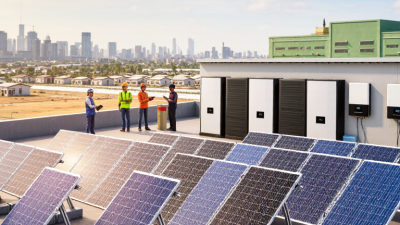
Look closely at how each supplier handles real projects. Can it design a system for your climate, roof structure, electricity demand, and local grid requirements? A supplier with experienced engineers should explain voltage ranges, battery cycles, shading losses, and expected annual output in understandable language. Request references from comparable installations, preferably with photographs and operating records. Independent certifications and transparent technical documents add confidence, but they do not replace direct communication. Even a respected manufacturer may have delays, inconsistent service, or unclear warranty support. That is worth admitting.
Price alone can mislead. A cheaper inverter, weaker frame, or limited after-sales team may create higher costs later. Compare total ownership costs, including shipping, monitoring, maintenance, spare parts, and system upgrades. Speak with more than one supplier. Review the contract carefully. Strong suppliers welcome technical questions and provide precise answers instead of broad promises. Your final choice should balance efficiency, durability, safety, service, and evidence. The best partner is not always the largest company. It is the supplier that can prove its claims and support your solar system electricity project for years.
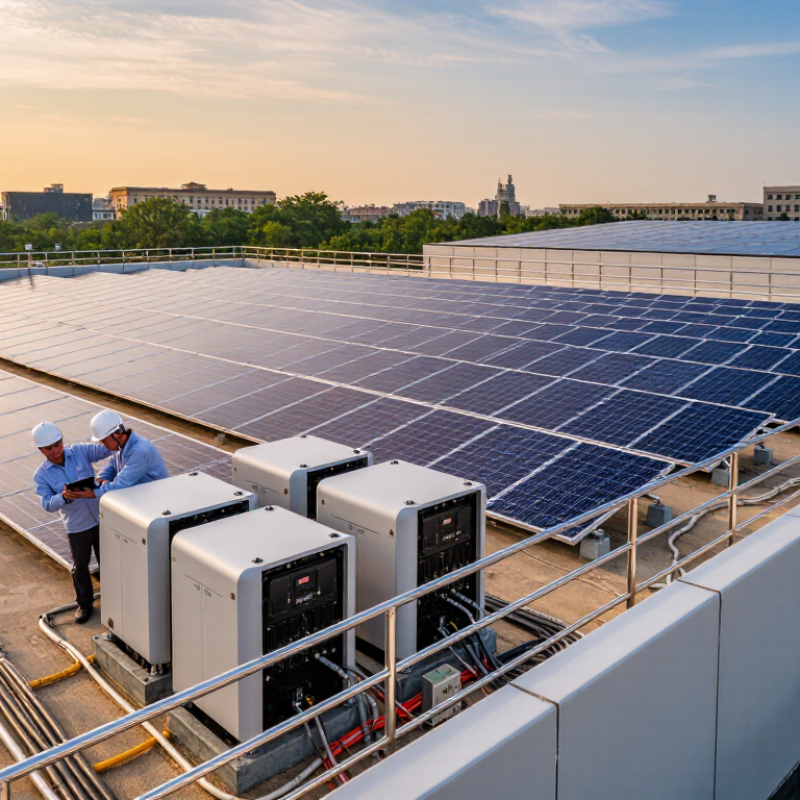
Define Demand: China Added 216.88 GW of PV Capacity in 2023 (NEA)
China’s solar market changed the meaning of “large supply” in 2023. The National Energy Administration reported 216.88 GW of new photovoltaic capacity, raising cumulative capacity to about 609.49 GW. This figure should shape your supplier search. A 500 kW factory rooftop, a 20 MW commercial project, and a remote 100 MW site require different equipment, certifications, and delivery controls. Do not request quotations before defining annual energy use, roof area, grid connection limits, storage needs, and local weather conditions.
The International Energy Agency reported that China installed solar capacity at an exceptional pace in 2023. Its Renewables 2024 analysis also noted China’s dominant role in global renewable expansion. That scale improves manufacturing depth, but it does not guarantee every supplier performs equally. Check audited production capacity, product warranty terms, test reports, shipment records, and financial stability. Ask for serial-level quality records. Request samples before approving a container order. Factory visits help, although a single visit can create false confidence. I learned that delivery discipline matters as much as module efficiency.
Tips: Compare suppliers using the same technical sheet. Include power tolerance, temperature coefficient, degradation rate, inverter compatibility, packaging, spare parts, and Incoterms. Verify certificates with the issuing bodies. Ask how claims are handled in your country. A low quotation may hide insurance, inspection, or replacement costs. Build a scoring table, but review its assumptions; numbers can look precise while remaining incomplete.
Screen Suppliers: Require IEC 61215/61730 and ISO 9001 Certification Evidence
How to Choose China Top Solar System Electricity Suppliers?
When screening China-based solar system electricity suppliers, request clear evidence for IEC 61215 and IEC 61730 certification. IEC 61215 evaluates module design performance under environmental stress. IEC 61730 focuses on electrical and mechanical safety. These standards are not interchangeable. A supplier may show attractive test results, but the certificate must match the exact module model you plan to purchase.
Ask for complete certificates, not cropped screenshots. Check the certificate number, issuing laboratory, product model, test standard edition, and validity date. Confirm that the laboratory is properly accredited and that the certificate covers the factory or production site involved. ISO 9001 evidence is also important. It indicates a documented quality management system, but it does not prove that every panel delivers the promised output. This distinction is often overlooked.
Tips:
Request a sample certificate before discussing final pricing. Compare its model number with the quotation and technical datasheet. Ask for recent factory inspection records and production traceability examples. A reliable supplier should explain these documents without pressure. If explanations remain vague, pause the evaluation. I have seen buyers focus too heavily on efficiency figures and miss certificate mismatches. That mistake is avoidable. Also, certification alone cannot reveal packaging damage, weak installation support, or inconsistent after-sales communication. Check those areas through reference projects, sample inspections, and written warranty terms.
Compare Technology: Benchmark Module Efficiency, Degradation, and 25-Year Yield
How to Choose China Top Solar System Electricity Suppliers?
Compare technology, not only quoted prices. A 23% module is not automatically the best choice. Fraunhofer ISE’s Photovoltaics Report 2024 places leading commercial crystalline-silicon modules near 22% to 23% efficiency. Ask suppliers for certified efficiency under standard test conditions, temperature coefficients, and low-light performance. These details matter on cloudy mornings and hot rooftops.
Degradation changes the 25-year result.
An NREL review found typical crystalline-silicon degradation near 0.5% annually, although better field results can be lower. At 0.4% yearly degradation, a module retains about 90.4% of its initial power after 25 years. Its cumulative energy may reach roughly 95% of a new module’s output, assuming stable sunlight. At 0.5%, the result falls further. Small differences become significant across a large project. The calculation is useful, but imperfect. Dust, shading, heat, wiring losses, and inverter replacement can reduce actual yield.
Tips:
Request independent test reports, not only factory brochures. Compare the same irradiance assumptions and temperature conditions. Check whether the supplier discloses product tolerances, degradation curves, and warranty exclusions. IEA PVPS Task 13 research also shows that field performance depends heavily on installation quality and operating climate. Visit an operating project if possible. A spreadsheet can hide uncertainty. Use measured data.
Audit Capacity: Verify Factory Output, Quality Control, Lead Time, and References
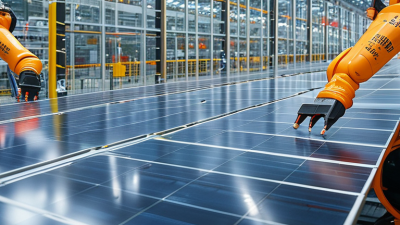
Choosing a solar system electricity supplier in China requires more than comparing quotations. Audit the factory’s real output capacity before discussing price. Ask for monthly production records, machine counts, shift patterns, and recent order volumes. A polished showroom proves little. During a site visit, check whether panels, inverters, batteries, and mounting parts are produced in-house or outsourced. Then compare claimed capacity with warehouse movement and loading schedules. Numbers should match. If they do not, pause.
Quality control needs observable evidence. Request incoming-material inspection sheets, process checklists, electrical test data, and final sampling rules. Ask to see how workers trace a unit from serial number to shipment. Inspect a random batch, not only prepared samples. Minor defects may reveal weak supervision. I once focused too heavily on laboratory certificates and missed inconsistent packaging records. That mistake made the audit less useful.
Lead time should be tested against production reality. Ask for a written timeline covering component booking, assembly, testing, packing, and port delivery. Request recent delivery records, including delayed orders and their causes. A supplier promising ten days without capacity evidence deserves careful questioning. Seasonal demand can change the answer. References should be specific and current. Contact comparable customers using similar system sizes and climates. Ask about output stability, warranty response, replacement speed, and communication after payment. Verify whether the reference was a one-time trial or a repeated order. Keep dated audit notes, photos, and document versions. Evidence is often incomplete. Good procurement still requires judgment.
Calculate Value: Compare LCOE, BOS Costs, Warranties, and Lifetime Energy
Choosing a top solar system electricity supplier requires more than comparing the lowest equipment price. Calculate the levelized cost of electricity, or LCOE, across the system’s expected life. Include modules, inverters, financing, maintenance, replacements, and disposal. A cheaper quote may produce more expensive electricity after ten years.
BOS costs deserve close inspection. Request separate figures for mounting structures, cables, protection devices, monitoring, engineering, transport, and installation. On a rooftop project, check roof reinforcement and access equipment. On a ground-mounted site, examine foundations, drainage, fencing, and labor assumptions. Small omissions can distort the comparison. They happen often.
Warranties should match practical risk. Review product, performance, workmanship, and inverter coverage separately. Confirm claim procedures, response times, exclusions, and who performs local repairs. Then estimate lifetime energy using degradation rates, temperature losses, shading, soiling, downtime, and annual sunlight. Ask for the calculation method and supporting test data. Independent inspection reports and operating references improve reliability. I have found that polished forecasts can still miss dust, grid interruptions, or delayed maintenance. Treat the model as evidence, not certainty. Compare suppliers using identical energy assumptions, currency, project life, and replacement dates. That makes the real value easier to see.