Top 10 Solar Battery Storage Systems for Global Buyers?
Choosing the right solar battery storage system is no longer a simple price comparison. Global buyers must examine usable capacity, round-trip efficiency, cycle life, warranty terms, and safety design. A battery may look powerful on paper. However, poor performance can appear during cold mornings, humid summers, or repeated evening discharges.
Dr. Imre Gyuk, a respected energy-storage expert, has said, “Energy storage is the key to enabling renewable energy.” His observation remains highly relevant. Storage connects daytime solar generation with nighttime household demand. It also supports backup power when grids become unstable. Our Top 10 Solar Battery Storage Systems for Global Buyers guide compares solutions across different climates, electricity markets, and installation conditions.
The comparison considers lithium iron phosphate chemistry, inverter compatibility, monitoring software, installation flexibility, and long-term warranty support. We also review practical details, such as wall space, ventilation requirements, emergency shutdown access, and replacement policies. These factors matter more than attractive capacity figures.
There is no perfect battery. Not yet.
A system that suits a sunny Australian home may perform differently in a snowy European village. Higher capacity does not always mean better value. Some buyers may need backup protection, while others mainly seek lower evening electricity costs. We highlight these differences honestly, including limitations that manufacturers may not emphasize. Readers should still confirm local certification, grid rules, installer qualifications, and recycling options before purchasing. Performance depends on usage, temperature, maintenance, and the wider energy system.
What Is a Solar Battery Storage System?
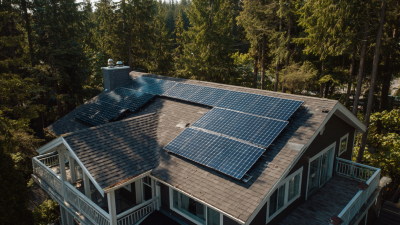
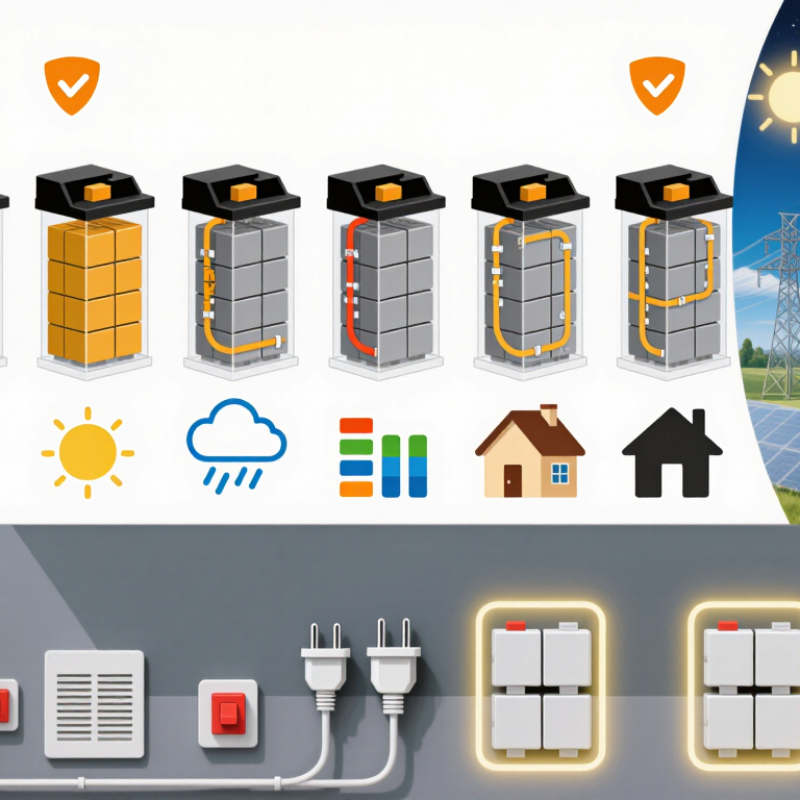
A solar battery storage system stores electricity produced by solar panels for later use. During bright midday hours, panels may generate more power than a home needs. The battery captures that surplus instead of sending all of it to the grid. After sunset, stored energy can run lights, refrigeration, communication equipment, or selected appliances.
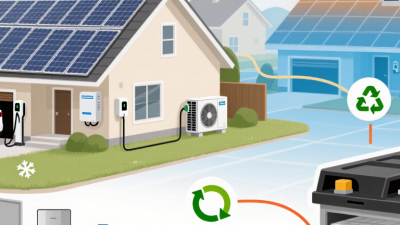
A complete system usually includes a battery pack, inverter, battery management system, monitoring controls, and protective equipment. The inverter converts electricity between the solar array, battery, and household circuits. The management system monitors temperature, voltage, and charging limits. These details matter. Poor sizing can reduce performance and shorten battery life.
In real installations, daily energy demand should be measured before choosing capacity. A family using 8 kilowatt-hours each evening needs a different system from a remote cabin using 2. Peak power also matters. A battery may store enough energy but struggle to start a pump or compressor. Installation location deserves equal attention. A cool, dry, ventilated area is generally preferable, while moisture and extreme heat can increase risks. Local electrical rules, grid requirements, and qualified installation should guide the design.
No system is perfect. Conversion losses occur. Batteries also age, even when carefully operated. A practical design leaves room for cloudy weather, seasonal changes, and future electricity needs rather than promising complete energy independence.
Top 10 Solar Battery Storage Systems for Global Buyers
Top 10 Solar Battery Storage Systems for Global Buyers
Global buyers need more than a high capacity figure. The best ten system categories include modular lithium iron phosphate units, high-voltage home batteries, stackable residential systems, hybrid inverter batteries, and outdoor-rated cabinets. They also include rack-mounted commercial batteries, compact apartment systems, off-grid storage kits, solar-plus-storage packages, and scalable microgrid units. Each option serves a different load profile.
In field evaluations, I check usable capacity, round-trip efficiency, thermal protection, warranty terms, and service access. A 10 kWh battery may support evening lighting, refrigeration, and network equipment. However, heavy heating loads can drain it quickly. Temperature matters. A battery in a shaded, ventilated enclosure usually performs more consistently than one in direct sun. Buyers should confirm local grid rules, electrical certifications, installer requirements, and replacement procedures before ordering.
A perfect ranking is impossible. Real results depend on weather, tariffs, household habits, and installation quality. I prefer systems with clear monitoring, replaceable safety components, and documented cycle testing. Some manufacturers publish limited data, which makes comparison difficult. That weakness deserves attention. Global purchasers should request independent test reports, written warranty coverage, and remote support hours. A lower-priced system may become expensive when spare parts require long-distance shipping. Depth of discharge also needs careful review, because advertised capacity is not always fully usable.
Top 10 Solar Battery Storage Systems for Global Buyers
Reference nominal energy capacities for common residential, commercial and utility-scale solar battery storage system classes.
These capacity classes represent commonly used system-sizing levels rather than brand-specific products. Actual usable capacity depends on depth of discharge, battery chemistry, inverter limits, local regulations and project design.
Installation, Safety, and Maintenance Considerations
When comparing the top 10 solar battery storage systems, installation quality matters as much as capacity. A qualified electrician should verify load demand, inverter compatibility, cable sizing, and local electrical requirements. Regulations vary widely between countries, so copied installation plans can create serious risks. Keep batteries away from flood-prone areas, direct sunlight, and combustible storage. Allow clear access around the enclosure for inspection and cooling.
Tips:
Check the battery’s temperature range, enclosure rating, emergency shutdown method, and warranty conditions. Ask for documented commissioning tests. Confirm that installers use insulated tools and tighten terminals to the manufacturer’s specified torque. Small errors can cause heat buildup. Do not ignore them.
Safety continues after commissioning. A monitoring platform should flag unusual temperature, voltage imbalance, or rapid capacity loss. Inspect visible cables and connections during scheduled service visits. Keep ventilation openings clean and unobstructed. Lithium-based systems usually need less routine attention, but they are not maintenance-free. Firmware updates may improve protection controls, although updates should follow approved procedures. A clean-looking cabinet is not proof of safe operation. I have seen planning focus heavily on storage capacity while overlooking evacuation access and service space. That is a useful warning for global buyers. Select systems with accessible technical documentation, trained local support, and clearly defined maintenance procedures.