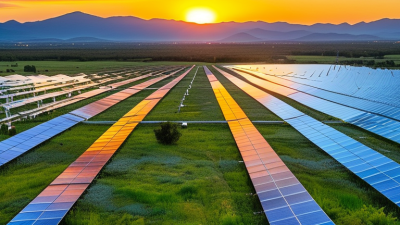
China has become a major manufacturing base for solar power systems with battery storage. Its suppliers offer residential, commercial, and utility-scale solutions. These systems combine photovoltaic panels, hybrid inverters, lithium batteries, monitoring software, and safety controls.
The strongest products are not always the cheapest. A reliable system must match local sunlight, household demand, battery capacity, and grid conditions. A small apartment may need a compact five-kilowatt-hour battery. A rural home could require more storage for overnight loads and occasional outages. In factories, thermal management and service response matter greatly.
Professor Martin Green, a leading photovoltaics expert at UNSW Sydney, has said, “Solar photovoltaics is the most important energy technology of the 21st century.” Battery storage makes that technology more useful after sunset. It can also reduce peak electricity purchases when tariffs rise. However, storage is not magic. Batteries degrade, installation quality varies, and poor system sizing can reduce savings.
This guide examines China’s top solar power systems with battery storage through practical criteria. These include efficiency, usable battery capacity, inverter compatibility, monitoring quality, warranty clarity, certifications, and after-sales support. It also considers installation conditions and long-term maintenance.
Some comparisons remain imperfect. Manufacturers publish different test standards, while real-world performance depends on weather and user behavior. A system that performs well in Shenzhen may need different settings in a colder northern region. Buyers should verify specifications, installer credentials, and local compliance before making a decision. The best choice is not simply a famous brand. It is a balanced system that remains safe, serviceable, and financially sensible for years.
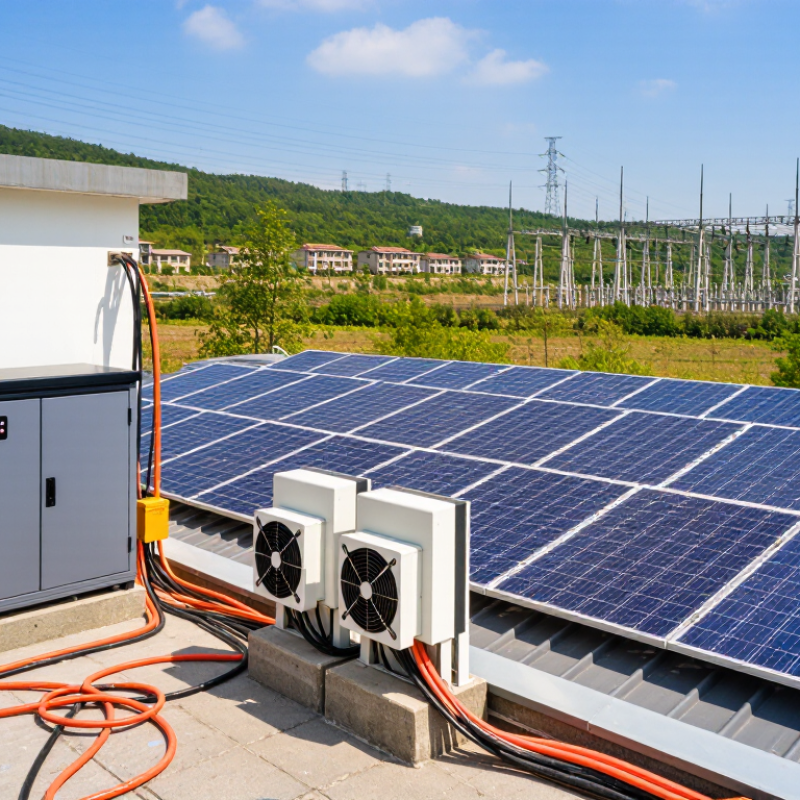
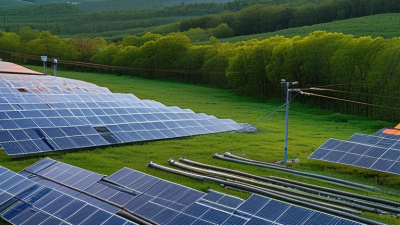
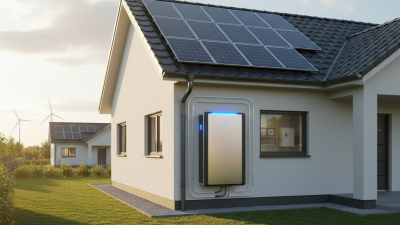
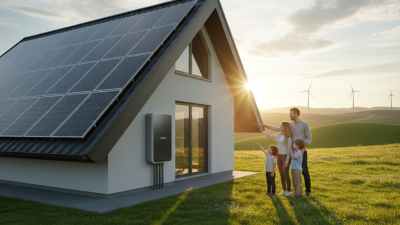
China’s leading solar power systems with battery storage are built around three practical designs. Grid-scale solar farms use lithium-ion batteries to shift midday generation into evening demand. Commercial and industrial systems combine rooftop panels, batteries, and energy management software. Residential systems remain smaller, but they can reduce peak-hour purchases and provide limited backup power.
China’s National Energy Administration reported 277.17 gigawatts of new solar capacity in 2024. Total solar capacity reached about 887.8 gigawatts. The same authority reported approximately 73.8 gigawatts of new-type energy storage by the end of 2024. Most projects used lithium-ion technology, although flow batteries and other chemistries are developing. These figures show scale, but not every project performs equally well.
The strongest systems match battery size with local load patterns, grid rules, and seasonal sunlight. A factory may need two to four hours of storage for evening production. A rural household may value backup power more than energy trading. The International Energy Agency reported that global battery storage additions reached about 42 gigawatts in 2023. China contributed substantially to this expansion. Still, oversizing batteries can raise costs, while undersizing reduces evening reliability. Real operating data matters more than brochure efficiency. CNESA reports also highlight rapid deployment, yet long-term recycling, fire protection, and performance degradation require closer evaluation. That is where many “leading” systems remain imperfect.
A solar power system with battery storage converts sunlight into usable electricity throughout the day. Solar panels produce direct current, while an inverter changes it into alternating current for household appliances. A control unit directs electricity where it is needed. It can power a refrigerator, charge a battery, or send excess energy to the grid. When production exceeds demand, the battery stores the surplus for later use.
After sunset, the inverter draws energy from the battery and supplies selected appliances. During a power outage, a transfer device can disconnect the home from the grid. This prevents electricity from flowing into damaged power lines. However, not every system provides backup power. The inverter, battery capacity, and wiring must support that function. Battery management systems monitor temperature, voltage, and charging levels. These protections matter in warm storage rooms and during heavy summer use.
Good system design begins with real consumption data. A refrigerator may use little energy but needs extra power when its compressor starts. Cloudy weather can also reduce charging for several days. Installers usually leave a reserve instead of using the battery completely. Energy is lost during charging and conversion, so stated capacity is not fully usable. It sounds simple. It is not. Some early estimates seem convincing but ignore seasonal demand, standby consumption, or battery aging. Reviewing meter records and local installation requirements can reveal those gaps before equipment is selected.
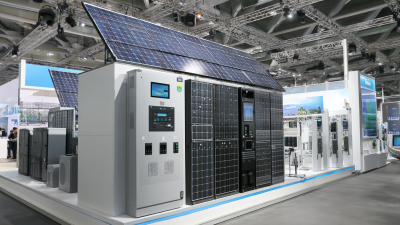
China’s solar storage market commonly uses lithium iron phosphate batteries, often called LFP. They offer strong thermal stability, long cycle life, and predictable maintenance. These qualities suit rooftops, factories, rural microgrids, and utility-scale projects. A typical cabinet may include battery modules, a battery management system, cooling equipment, and fire protection controls. LFP is not perfect. Its lower energy density can require more installation space.
Tips: Check usable capacity, not only the advertised capacity. Ask about cycle testing, operating temperature, warranty conditions, and emergency shutdown procedures. A qualified installer should also match the battery with the inverter and local grid requirements.
Lead-acid batteries remain relevant for low-cost backup systems and some off-grid installations. They are familiar and easy to recycle through established channels. However, they usually need more ventilation, occupy more space, and tolerate deep discharge poorly. Nickel-manganese-cobalt batteries provide higher energy density, but stationary projects often avoid them because safety management is more demanding. Sodium-ion technology is developing quickly in China. It may become useful where cold-weather performance and material availability matter. Flow batteries can support longer-duration storage, although their larger footprint limits some applications. I have seen specifications look impressive, yet actual performance depends on temperature, charging habits, and maintenance. The best choice is rarely the newest chemistry.
Choosing a solar system with battery storage in China requires more than reading its peak kilowatt rating. Capacity shows how much electricity the battery can store, while usable capacity reflects reserve limits and aging. A 10 kWh battery may deliver less after safety margins. Measure your evening load from actual meter data. A refrigerator, router, lights, and water heater create different demand patterns. Start there. An experienced installer should model winter sunlight, roof orientation, shading, and local grid conditions before recommending equipment. Oversizing the array can waste roof space and money.
Efficiency needs a complete view. Ask for round-trip battery efficiency, inverter efficiency, and performance at partial loads. A system that looks excellent in laboratory conditions may perform differently beside a cold concrete wall or during summer heat. Check temperature control, ventilation, noise, and emergency shutdown access. Safety depends on cell chemistry, battery management, enclosure protection, installation quality, and documented testing against applicable Chinese and international standards. Keep batteries away from escape routes and wet areas. Do not accept vague certificates.
Compare total cost, not the quotation alone. Include mounting, wiring, permits, monitoring, maintenance, replacement assumptions, and electricity tariffs. Calculate cost per usable kilowatt-hour over the expected service life. A cheaper system can become expensive if capacity fades quickly or support is unclear. Request degradation data, warranty conditions, fire-response procedures, and installer credentials. I would also inspect cable routing and labeling in person. Small details matter. Yet predictions remain imperfect; household habits change, and advertised savings may not appear every month.
Choosing a solar power system with battery storage requires more than comparing prices. Buyers should assess daily electricity use, peak loads, roof direction, shading, and local weather. A system that looks powerful on paper may perform poorly beside a chimney or under seasonal cloud cover.
Battery capacity should match real household demand. A larger battery is not automatically better. Ask how much usable energy remains after reserve limits, and how performance changes with temperature. Confirm the battery’s expected service life, safety certifications, warranty terms, and replacement costs. Some buyers overlook nighttime loads, such as water heaters, pumps, or refrigeration. That mistake can lead to disappointing backup time.
Installation quality matters as much as equipment selection. Request a detailed design, projected annual output, maintenance plan, and clear payment schedule. The installer should explain permits, grid connection rules, emergency shutdown access, and fire separation requirements. Check training records, insurance, references, and the company’s response process after installation. Monitoring software is useful, but figures still need sensible interpretation. A brief output drop may reflect weather, not a system failure. I would also leave room for uncertainty. Energy use changes, and early estimates are never perfect. A professional site survey can reveal roof weaknesses, cable routes, and upgrade costs before work begins.
Key technical, economic, safety, and installation factors for evaluating solar-plus-storage systems
| Evaluation Factor | Typical Data or Range | Why It Matters | Buyer Considerations Before Installation |
|---|---|---|---|
| Solar PV System Size | Common residential systems: 3–15 kW. Small commercial systems may range from 20 kW to several hundred kW. | Determines annual electricity production and how quickly the battery can be charged. | Compare the proposed capacity with annual electricity consumption, roof area, shading, local solar resources, and future energy needs. |
| Battery Usable Capacity | Typical residential battery storage: 5–30 kWh. Usable capacity is normally lower than the battery’s nameplate capacity. | Defines how much electricity can be delivered during the evening, at night, or during an outage. | Size the battery according to critical-load consumption and the desired backup duration rather than total household consumption alone. |
| Battery Chemistry | Lithium iron phosphate batteries commonly provide approximately 3,000–6,000 cycles. Lead-acid batteries often provide approximately 500–1,500 cycles when properly operated. | Chemistry affects service life, safety, usable capacity, weight, maintenance, and total ownership cost. | Lithium iron phosphate is generally preferred for frequent daily cycling, while lead-acid systems may have a lower initial cost but require more maintenance and replacement planning. |
| Usable Depth of Discharge | Lithium batteries are commonly rated for about 80–95% usable depth of discharge. Lead-acid batteries are often limited to about 50% for longer service life. | A higher usable depth of discharge allows more energy to be stored without oversizing the battery bank. | Check whether the quoted capacity is nameplate capacity or usable capacity, and confirm the operating limits in the warranty documentation. |
| Round-Trip Efficiency | Battery round-trip efficiency is commonly about 85–95%, depending on chemistry, temperature, charging rate, inverter losses, and operating conditions. | Higher efficiency reduces the amount of solar energy lost during charging and discharging. | Request efficiency figures for the complete battery-and-inverter system, not only the battery cell or module. |
| Inverter Power Rating | Typical residential hybrid inverter ratings range from 3 kW to 15 kW. Larger systems may require multiple inverters or commercial equipment. | The inverter limits the maximum simultaneous load and determines whether high-power appliances can operate together. | List essential loads such as pumps, refrigerators, heating equipment, and communication devices. Check both continuous and peak power ratings. |
| Backup Operating Mode | Backup systems may support selected critical circuits, whole-home backup, or no backup during grid outages. | Solar panels generally cannot power a property during a grid outage unless the system has an approved backup or islanding function. | Confirm transfer time, backup capacity, generator compatibility, and whether the system can recharge the battery from solar during an outage. |
| Battery Warranty | Many residential battery warranties cover approximately 10 years, with cycle limits or an end-of-warranty retained-capacity level often around 60–80%. | Warranty terms influence expected service life and financial risk. | Review calendar years, cycle limits, throughput limits, minimum retained capacity, exclusions, labor coverage, and the process for warranty claims. |
| Operating Temperature | Many battery systems are designed for indoor or outdoor operation within an approximate range of -20°C to 50°C, but charging limits may be narrower. | Very high or low temperatures can reduce performance, increase degradation, or restrict charging. | Provide shade and ventilation where required. In cold climates, verify whether the battery includes heating or low-temperature charging protection. |
| Safety Protection | Important features include battery management systems, over-current protection, temperature monitoring, short-circuit protection, enclosure protection, and thermal event control. | Safety systems reduce risks related to overcharging, overheating, electrical faults, and installation errors. | Request electrical safety certificates, fire-safety information, installation clearances, emergency shutdown procedures, and evidence of relevant testing. |
| Ingress Protection | Outdoor equipment is commonly rated at IP54, IP65, or higher. The exact rating differs between battery, inverter, and electrical enclosures. | The rating indicates resistance to dust and water under defined test conditions. | Do not assume the entire system has the same rating. Confirm the rating of each component and use suitable weather protection where necessary. |
| Solar-to-Battery Sizing Ratio | A practical starting point for many homes is approximately 1.5–2.5 kW of solar PV for each 1 kWh of daily battery storage, subject to climate and consumption patterns. | The ratio affects battery charging reliability, winter performance, and the amount of unused solar generation. | Use local sunlight data and hourly load data instead of relying only on a standard ratio. Oversizing or undersizing can both reduce financial returns. |
| Installation Space and Weight | A battery cabinet may weigh from approximately 50 kg to more than 200 kg, depending on capacity and construction. | Floor loading, wall strength, ventilation, access, and separation distances may affect the installation location. | Have a qualified installer inspect the structure, cable routes, flood risk, access paths, and required working clearances before purchase. |
| Grid Connection and Certification | Requirements vary by country, utility, system size, and whether the system exports electricity to the grid. | Non-compliant equipment may be delayed, rejected, or prevented from operating in parallel with the utility grid. | Confirm applicable electrical codes, anti-islanding requirements, grid-connection approval, inspection procedures, and permitted export limits. |
| Energy Management Functions | Advanced systems may support time-of-use charging, peak-load management, export limiting, remote monitoring, and integration with electric vehicles. | Control functions can improve self-consumption and reduce electricity costs where variable tariffs are available. | Check internet requirements, data privacy terms, software support period, manual controls, and whether important functions continue during communication outages. |
| Estimated Economic Life | Solar modules commonly have a service life of approximately 25–30 years. Battery replacement timing depends on chemistry, temperature, cycling, and operating conditions. | The battery may require replacement before the solar panels reach the end of their useful life. | Calculate total cost of ownership, including installation, maintenance, electricity savings, replacement costs, financing, and disposal or recycling. |
| Levelized Storage Cost | Storage cost depends on installed price, usable capacity, efficiency, cycle life, financing, and electricity tariffs; a single purchase price is not sufficient for comparison. | Two systems with similar capacity can have very different costs per delivered kilowatt-hour over their operating lives. | Compare the estimated cost per delivered kWh, expected annual throughput, warranty limits, and battery replacement assumptions. |
| Installer Qualifications | Installation quality affects electrical safety, system performance, warranty validity, and regulatory compliance. | Incorrect cable sizing, grounding, configuration, or ventilation can reduce reliability and create safety hazards. | Verify licenses, relevant training, insurance, previous installations, commissioning procedures, maintenance support, and response times. |
Note: The figures shown are general industry ranges for preliminary comparison. Actual performance, pricing, permitted configurations, warranty conditions, and regulatory requirements vary by location, climate, system design, installation quality, and operating profile.