Top 10 Solar Energy Systems in China for Global Buyers?
As the world shifts toward sustainable energy, solar energy systems take center stage. China leads in the production and innovation of these systems. For global buyers, understanding the top solar energy systems available is essential. These systems vary in technology, efficiency, and price, making informed choices crucial.
Exploring the top 10 solar energy systems in China reveals a mix of advanced features and reliability. Each system showcases unique attributes, influencing which might fit specific needs best. Potential buyers should consider multiple factors. Yet, navigating this market can be challenging. Commitment to quality and operational support remains vital.
While these systems promise sustainability, they often come with hidden costs and maintenance challenges. Buyers must weigh the pros and cons carefully. The right solar energy system can lead to energy independence; the wrong choice may result in regret. Thus, exploring the nuances of these systems is not just informative—it is essential for making impactful decisions.
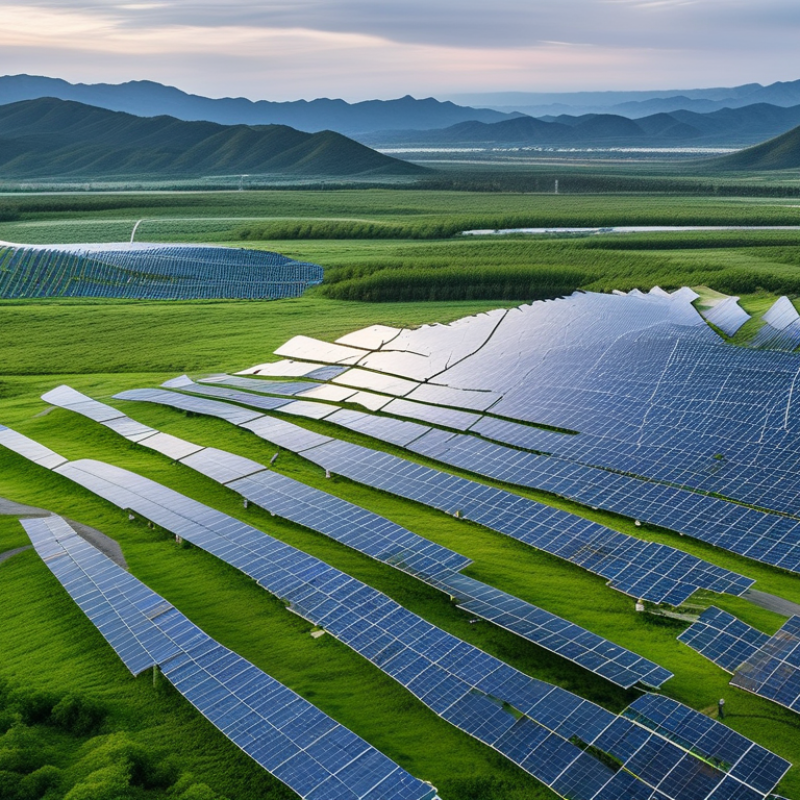
Overview of China's Solar Energy Market and Its Growth Statistics
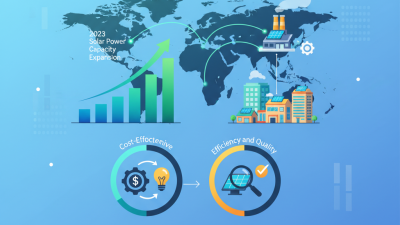
China's solar energy market has witnessed remarkable growth in recent years. In 2022, the country accounted for nearly 70% of the world's solar photovoltaic capacity. Factors contributing to this growth include government incentives, decreasing costs, and technological advancements. These elements have made solar energy a viable option for many businesses and consumers.
The increasing demand for cleaner energy solutions has pushed Chinese manufacturers to innovate continuously. Many are focusing on efficiency improvements and product longevity. However, challenges still persist. Issues such as supply chain disruptions and fluctuating raw material costs can impact production. Addressing these obstacles is critical for sustaining growth in the coming years.
Investors and companies looking to enter this market must navigate its complexities. Knowledge of local policies is essential. Awareness of the competitive landscape can guide effective decision-making. Engaging with local experts can help bridge knowledge gaps. As this market evolves, so do the opportunities and risks associated with it.
Key Features and Innovations in Leading Solar Energy Systems
In recent years, China has emerged as a leader in solar energy innovation. The country is home to systems that emphasize efficiency and sustainability. Many solar systems now integrate advanced photovoltaic technologies. These innovations allow for higher energy conversion rates. This growth aligns with global trends toward renewable energy.
Numerous systems feature smart tracking capabilities. These systems can adjust their orientation based on sunlight. This maximizes energy generation throughout the day. Some designs even include energy storage solutions. These allow for more reliable energy use, even at night.
However, not all systems are without issues. Some designs still struggle in extreme weather conditions. There is also the challenge of installation complexities. Buyers sometimes find it hard to navigate local regulations. Continuous improvements are necessary to enhance user experience and reliability in these areas.
Top 10 Solar Energy Systems: Performance Comparison and Efficiency Ratings
In recent years, solar energy systems in China have gained global attention. Their performance metrics and efficiency ratings play a crucial role in choosing the right system. China has produced diverse solar panel technologies. These innovations range from monocrystalline to thin-film solar solutions. Each type has unique strengths, influencing its suitability for different environments.
Efficiency ratings are vital for assessing quality. Some systems may promise high efficiency but fall short in real-world applications. The performance can vary based on installation site and weather conditions. Buyers must be cautious when comparing specifications. A system with a 20% efficiency rate may not perform well if its installation lacks proper sunlight exposure.
Moreover, cost-effectiveness is essential. Cheaper systems might save money upfront but lead to lower energy output. It’s worth exploring long-term gains versus initial costs. Some buyers overlook maintenance needs, which can impact overall performance. Understanding these nuances helps in making informed decisions.
Market Leaders: Key Players in China's Solar Energy Industry
China stands at the forefront of the solar energy market, with key players shaping the industry's landscape. These companies leverage advanced technology to produce high-efficiency solar panels and energy systems. Their expertise draws both domestic and international buyers. The competitive environment fosters innovation, driving continuous improvements in renewable energy solutions.
One notable trend is the increasing focus on sustainable practices. Many leading firms prioritize eco-friendly materials and production processes. While this shift is commendable, some companies need to improve transparency in their supply chains. The demand for reliable solar energy systems continues to grow, prompting firms to enhance their service offerings. Many are investing in research and development to stay ahead.
The importance of strategic partnerships cannot be overstated. Collaborations between manufacturers and technology providers often yield better products. However, some alliances may lead to diluted quality control if not managed well. Buyers should remain vigilant and research their options carefully. In an ever-evolving market, staying informed about the strengths and weaknesses of key players is essential for making sound investment decisions.
Top 10 Solar Energy Systems in China for Global Buyers
| Rank |
Product Type |
Efficiency (%) |
Warranty (Years) |
Annual Production Capacity (MW) |
Market Share (%) |
| 1 |
Monocrystalline Solar Panels |
20.5 |
25 |
1200 |
22 |
| 2 |
Polycrystalline Solar Panels |
18.7 |
25 |
900 |
18 |
| 3 |
Bifacial Solar Panels |
21.0 |
30 |
800 |
15 |
| 4 |
Thin-Film Solar Panels |
12.5 |
15 |
400 |
5 |
| 5 |
Solar Inverters |
95.0 |
10 |
2000 |
30 |
| 6 |
Solar Mounting Systems |
N/A |
25 |
1500 |
10 |
| 7 |
Energy Storage Systems |
80.0 |
10 |
600 |
8 |
| 8 |
Solar Tracking Systems |
N/A |
20 |
700 |
6 |
| 9 |
Microinverters |
95.0 |
20 |
500 |
5 |
| 10 |
Solar Power Kits |
N/A |
5 |
300 |
3 |
Global Trends Impacting Solar Energy Purchases from China
As global demand for solar energy rises, various trends influence purchasing decisions about solar systems from China. Renewable energy targets set by countries drive buyers toward advanced solar technologies. Rising energy costs make solar installations more appealing. Companies are looking for efficient systems that reduce long-term energy expenses.
When sourcing solar equipment, buyers should consider certifications that ensure quality and reliability. Verify that the products meet international standards. This can help avoid costly mistakes down the line.
Another important aspect is understanding local regulations. Each market has specific rules concerning solar installations. Non-compliance can lead to fines or project delays. Researching these regulations is essential for a smooth buying process.
It's important to remember that not all suppliers are equal. Some may claim impressive capabilities but fail to deliver. Conduct thorough due diligence on potential partners. This can minimize risks and improve trust in the purchasing process. Stay informed about industry developments; they can impact supplier options and pricing.
Top 10 Solar Energy Systems in China