Top 10 Types of Solar Systems for Homes and Businesses
Choosing a solar system is less about picking the newest panels and more about matching equipment to a building’s needs. A home with a shaded roof has different options from a warehouse with open land and daytime power use. This guide, “Top 10 Types of Solar Systems for Homes and Businesses,” introduces grid-tied, off-grid, hybrid, rooftop, ground-mounted, and other common configurations. The right fit depends on roof condition, sunlight, energy use, budget, and whether backup power matters. Small details count. A battery can keep selected circuits running during an outage, but it also adds cost and design complexity.
International Energy Agency Executive Director Fatih Birol has described solar as “the new king of electricity,” reflecting its growing role in power generation. That broad trend does not guarantee savings for every property. Local rates, installation quality, shading, and maintenance all affect results. The pages ahead compare system types, explain their practical trade-offs, and identify questions to ask a qualified installer. A tidy top-ten list can still oversimplify things. No single setup is best for everyone, and estimates deserve careful checking. Use this overview as a starting point, then assess real site conditions before making a decision.
How Solar Energy Systems Convert Sunlight into Usable Power
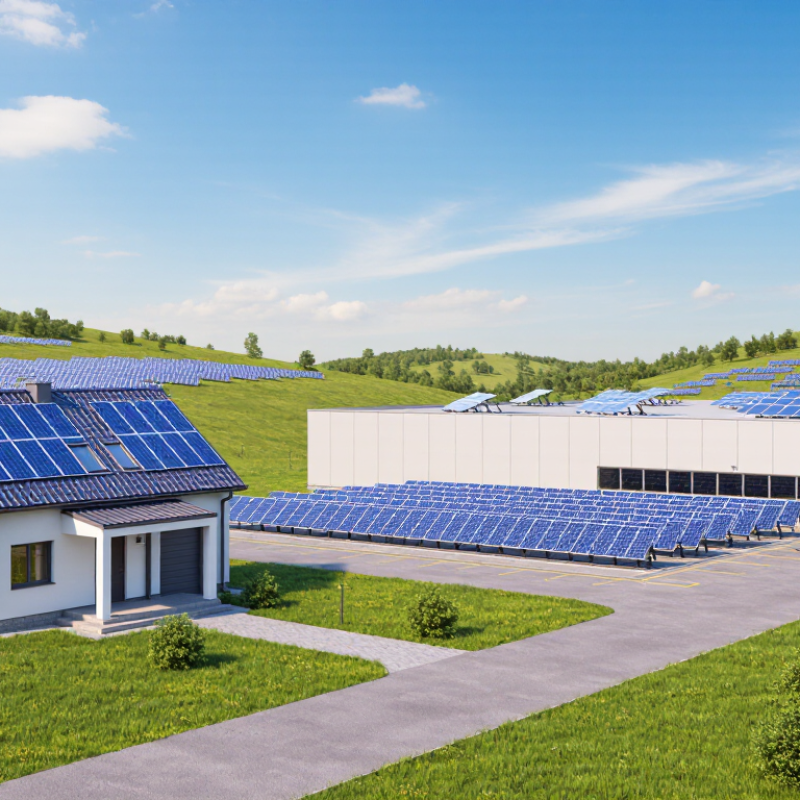
Solar systems may look alike on a roof, but their wiring and storage options differ. In a grid-tied system, sunlight reaches photovoltaic cells, where semiconductor materials release electrons and create direct-current electricity. An inverter converts that current into alternating current for household appliances or business equipment. The meter records exchanges with the grid. It is a practical chain, though real output shifts with clouds, roof angle, heat, and shade from a nearby chimney.
A battery can store excess electricity for later use, while an off-grid design needs storage and careful load planning. The IEA PVPS Snapshot of Global PV Markets 2024 estimated that worldwide installed solar capacity exceeded 1.6 terawatts by the end of 2023. Ember’s Global Electricity Review 2024 reported that solar supplied 5.5% of global electricity in 2023. Those figures show scale, not what one building will produce. A tidy system diagram can hide messy site conditions; even a small patch of shade may affect output, depending on system design.
Tips: Check the roof’s midday shade, inverter location, and expected daytime loads before choosing a system. Ask for production estimates that state their assumptions. Small details matter.
Core Components Found in Residential and Commercial Solar Systems
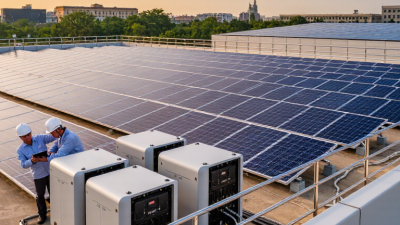
Residential and commercial solar systems share a core set of components. PV modules capture sunlight and produce direct-current electricity. An inverter converts that electricity into alternating current for building circuits. Racking secures the modules, while wiring, disconnects, and protective devices connect and safeguard the system. Small details matter.
The design changes with the site. A home may use one inverter and a compact roof array; a large commercial roof may need several inverter groups, longer cable runs, and careful load checks. A utility meter records electricity imported from or exported to the grid. Monitoring equipment helps owners spot drops in output. Batteries are optional, not essential, and add controls and storage capacity. SEIA and Wood Mackenzie’s 2024 U.S. Solar Market Insight reported 32.4 gigawatts of U.S. solar installations in 2023, a record year. That growth makes sound system design especially important, though a national figure cannot predict one building’s performance.
Tips: Before installation, check roof condition, shade, and electrical-panel capacity. Ask how monitoring alerts work and who reviews them. A clean diagram can still miss a practical issue: a shaded vent may reduce output from nearby modules.
How Solar System Types Differ in Cost, Output, and Energy Storage
A grid-tied rooftop system usually costs less because it skips batteries and can use the utility grid when sunlight fades. Hybrid systems add storage; off-grid systems need enough panels and batteries to serve loads through cloudy periods. Ground-mounted arrays can face the sun more directly, while carports and building-integrated systems must fit existing structures. Categories overlap.
NREL’s Q1 2023 U.S. cost benchmark estimated residential solar at $2.90 per watt of direct-current capacity, compared with $4.95 per watt for solar paired with storage. These modeled figures are not local quotes. Output depends heavily on roof direction, shade, weather, and system losses. NREL’s PVWatts model accounts for these site and design factors. A battery shifts surplus electricity into evening hours; it does not increase the panels’ generation. Off-grid systems may require extra capacity, which can raise costs substantially. The comparison is not always neat.
Tips: Check a recent electricity bill, then list essential loads, such as a refrigerator and lights. Compare quotes by installed cost, estimated annual output, and usable battery capacity. Ask how the estimate handles shade and cloudy days. A tidy annual average can hide winter shortfalls.
Factors for Choosing a Solar System for a Home or Business
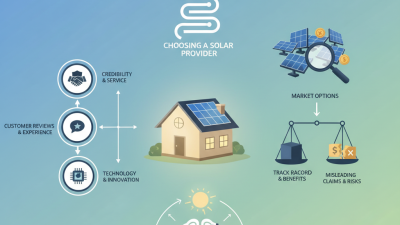
Choosing a solar system starts with the building’s electricity pattern, not its roof area alone. The U.S. Energy Information Administration’s 2020 Residential Energy Consumption Survey reported average household use of 10,566 kilowatt-hours annually. Treat that as context, not a sizing target: a home with electric heating can differ sharply from one using gas. Businesses should compare bills across seasons and note weekday peaks, equipment loads, and planned expansion. One number cannot size a system.
Next, inspect roof orientation, shade, usable space, and condition. A chimney’s narrow shadow can affect more panels than expected. Lawrence Berkeley National Laboratory’s Tracking the Sun 2024 reported a median residential system price of about $3.1 per watt for its U.S. sample of 2023 installations, before incentives. Local labor, equipment, and project complexity still change the quote. Ask how each proposal estimates annual production and accounts for shading.
Then compare grid-tied and hybrid designs against the site’s needs. A battery may help during outages or shift solar power into evening hours, but it does not automatically cut bills. Its value depends on local export credits, electricity rates, and backup priorities. For a business, demand charges and operating hours matter too. Read the assumptions carefully; even a polished estimate can miss a future load.
Top 10 Types of Solar Systems for Homes and Businesses
Typical solar module efficiency ranges by technology
Higher module efficiency can help when roof or site space is limited, but it is only one factor in choosing a system. Also consider grid connection, energy use, shading, local climate, budget, and whether battery storage is needed. Ranges are indicative of commercially available modules; actual efficiency varies by product and conditions.