
What Is a Solar Energy Contractor?
A solar energy contractor turns a household’s interest in sunlight into a working system. The work starts before panels reach the roof. A qualified contractor may inspect roof condition, measure shade, review electricity use, and estimate how much power a system could produce. Those details matter. A tree’s afternoon shadow or an aging roof can change the design and cost.
Energy expert Amory Lovins is often quoted as saying, “The cheapest energy is the energy you don’t use.” That idea is useful here. A thoughtful contractor may discuss insulation or efficiency improvements before recommending system size. The goal should be a design suited to the property, not simply the largest array that fits. Still, estimates are estimates. Weather, equipment, household habits, and utility arrangements affect real-world results.
Solar energy contractors coordinate equipment selection, installation, inspections, and connections with relevant utilities. Ask who performs each task, what warranties cover, and how projected savings were calculated. Look for clear answers and written assumptions. No pressure.
This guide explains what contractors do, how to assess proposals, and which questions can reveal important differences between companies. It also considers common limitations, including roof suitability, shading, maintenance, and changing energy needs. A solar system can be a substantial investment, and it will not fit every home. Careful comparisons help homeowners make a decision grounded in their own roof, bills, and priorities.

Definition and Role of a Solar Energy Contractor
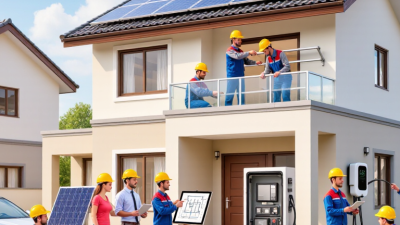
A solar energy contractor is a professional or company that plans and manages solar installations for homes or businesses. The role goes beyond placing panels on a roof. A contractor assesses electricity use, roof condition, shading, and available space before recommending a system. They may coordinate design, equipment selection, installation, electrical connections, and required inspections. The exact scope varies, so the written proposal matters.
A good contractor explains how the system is expected to perform and which assumptions shape that estimate. For example, nearby trees may cast afternoon shade, while an aging roof could need attention before installation. Contractors often coordinate qualified installers and other specialists, then explain monitoring and maintenance needs. Even careful estimates can miss changing shade or household energy use. That uncertainty deserves a plain explanation, not a polished promise. Details matter.
Tips: Ask for an itemized scope, expected production, equipment specifications, and warranty responsibilities. Check relevant experience and references, and clarify who handles inspections and service calls. If an answer feels vague, pause and ask again. A dependable contractor should welcome reasonable questions.
What Is a Solar Energy Contractor? - Definition and Role of a Solar Energy Contractor
| Dimension | Role or Responsibility | Typical Examples |
|---|---|---|
| Definition | A solar energy contractor plans, coordinates, or carries out work to install solar energy systems. The exact scope depends on the contract, local regulations, and the contractor’s qualifications. | Residential or commercial photovoltaic (PV) systems; in some projects, solar thermal equipment or battery storage. |
| Site assessment | Reviews the property and energy needs to assess whether a proposed system is suitable and identify project constraints. | Roof condition, available area, shading, electrical service, expected energy use, and access for installation. |
| System design | Develops or coordinates a design that accounts for site conditions, energy goals, equipment compatibility, and applicable codes. | Panel layout, inverter selection, electrical configuration, mounting approach, and optional battery integration. |
| Permits and approvals | May prepare or coordinate permit applications and required reviews. Approval processes differ by location and project type. | Building and electrical permits, utility interconnection applications, and inspections where required. |
| Installation | Coordinates or performs the physical installation, using appropriately qualified workers for the work involved. | Mounting equipment, installing modules and inverters, routing wiring, and connecting system components. |
| Safety and code compliance | Plans work to follow applicable safety requirements, electrical and building codes, and manufacturer installation instructions. | Fall protection, electrical isolation procedures, correct labeling, and inspection readiness. |
| Testing and commissioning | Checks that the installed system operates as designed and helps arrange final inspections and utility authorization when required. | Equipment checks, system start-up, monitoring setup, and handover documentation. |
| Customer handover | Explains system operation and provides relevant project records, warranty information, and maintenance guidance. | Operating instructions, equipment manuals, monitoring access details, and service contact procedures. |
| Qualifications | Required licenses, certifications, and permitted work vary by jurisdiction. Electrical work may need to be completed or supervised by a locally licensed professional. | Customers can verify applicable contractor licensing, insurance, references, and experience with similar systems. |
Related Posts
-
2026 Best Solar Energy Contractors for Global Buyers
-
7 Tips for Choosing Solar Energy Providers?
-
2026 Best Solar System Providers for Global Buyers?
-

10 Best Solar Energy Contractors Worldwide
-
Future Solar Energy Technologies That Will Transform Our Planet?
-
7 Tips for Choosing Reliable Solar Contractors?