Top 10 Solar Solutions for Businesses Worldwide?
Businesses are turning to solar solutions to manage energy costs, reduce reliance on grid electricity, and meet sustainability goals. Yet no single system fits every site. A warehouse roof, a retail car park, and a remote factory have different space, demand, and connection constraints. The right choice depends on practical details. Think roof condition, daytime electricity use, local weather, grid access, and available maintenance. Small details matter.
This guide introduces ten solar solutions used by businesses worldwide, from rooftop panels and solar carports to battery storage, microgrids, and power purchase agreements. Each option brings different trade-offs in cost, control, installation time, and resilience. A carport can shade parked vehicles while generating power, but its structure may add upfront expense. Batteries can shift energy use beyond sunny hours, though their value depends on operating patterns and local rates. These are not automatic wins. Careful measurement comes first.
The comparisons focus on how each solution works, where it may fit, and what decision-makers should verify before investing. Businesses should review site data and seek qualified technical advice, rather than rely on headline savings estimates alone. Results vary. Even a well-designed system can underperform when assumptions about demand, shading, or maintenance are wrong. This overview is a starting point, not a substitute for a site-specific assessment.
Business Solar Energy: Scope, Uses, and Key Technologies
Top 10 Solar Solutions for Businesses Worldwide?
Business Solar Energy: Scope, Uses, and Key Technologies
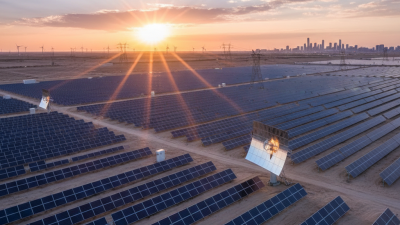
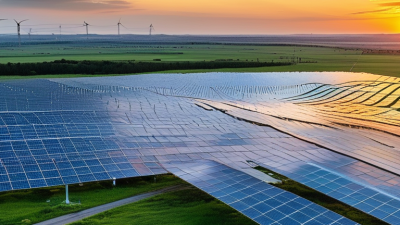
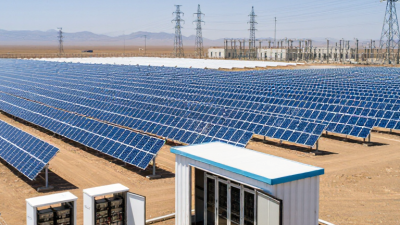
Business solar ranges from rooftop panels and parking canopies to ground-mounted arrays serving large facilities. Companies use these systems to supply daytime electricity, reduce grid purchases, and charge on-site batteries. Some also use solar-powered heat for water or industrial processes. The right setup depends on roof condition, local sunlight, energy prices, and when a site uses power. Roofs are not blank canvases. Vents, shade, and structural limits can shrink usable space.
The market is already substantial. The IEA Photovoltaic Power Systems Programme’s Trends in Photovoltaic Applications 2024 reports that global solar capacity passed 1.6 terawatts in 2023, with about 446 gigawatts added that year. Key technologies include silicon modules, inverters that convert direct current into usable electricity, batteries, and energy-management software. Together, they help match solar output with a building’s changing load. A battery can shift some midday energy into evening use, though its cost and operating needs deserve scrutiny.
The IEA’s Renewables 2024 report projects around 5,500 gigawatts of renewable capacity additions worldwide from 2024 to 2030, with solar PV expected to provide nearly 80% of that growth. This is a global forecast, not a guarantee for any business. A practical assessment should compare hourly electricity use with expected solar generation and include maintenance, roof replacement, and backup needs. Even good systems have trade-offs. Shade can cut output, and batteries do not make every site energy-independent.
Business Solar Energy: Global Solar PV Capacity Growth
A decade of growth in installed solar photovoltaic capacity worldwide
Global solar PV capacity reached approximately 1,865 GW in 2024, up from 228 GW in 2015. This total includes utility-scale and distributed installations; it is not limited to business projects. For businesses, solar PV can support on-site electricity generation, lower grid electricity purchases, and pair with battery storage.
Source: IRENA, Renewable Capacity Statistics 2025. Values rounded to the nearest gigawatt.
How to Evaluate Solar Solutions for Commercial Applications
How to Evaluate Solar Solutions for Commercial Applications
Commercial solar is not a panel-count exercise. Begin with at least twelve months of electricity bills and interval data, then compare generation with the facility’s actual daytime demand. A warehouse with steady refrigeration loads may use more solar power on-site than an office that empties after 5 p.m.
The roof matters. Check its age, structural capacity, usable area, and shading from nearby buildings or rooftop equipment. Replacing a roof soon after installation can disrupt the project and add unexpected costs.
Ask for a site-specific production estimate that explains its assumptions, including local weather, system losses, and equipment downtime.
Numbers can mislead.
Compare expected savings across the system’s useful life, not just the quoted installation price. Review maintenance access, monitoring, warranty terms, and who responds when output falls below expectations. If the business operates beyond daylight hours, assess whether battery storage fits its load profile and budget; it is not automatically worthwhile.
Also confirm that the proposed design can connect to the local grid and meet the site’s operational needs. A polished proposal may still overlook a changing business schedule. Treat estimates as estimates, and request clear evidence behind them.
Top 10 Solar Solutions for Businesses Worldwide
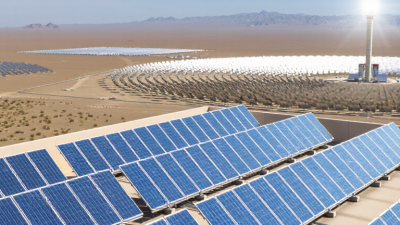
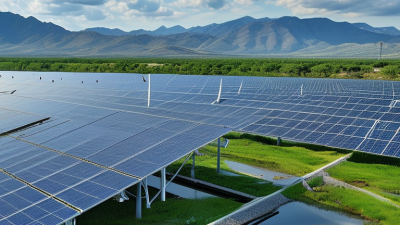
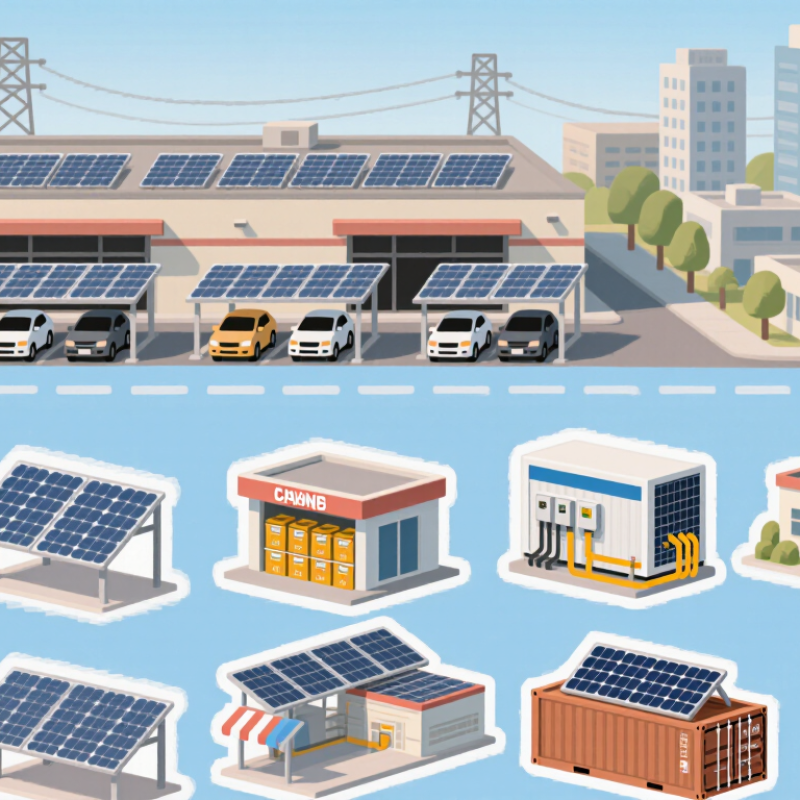
Businesses worldwide can choose from ten practical solar solutions, but the right fit depends on site conditions and energy use. Rooftop solar panels turn unused roof space into power. Solar carports shade parked vehicles while generating electricity. Ground-mounted arrays suit sites with available land. Floating solar can use suitable reservoirs, though water access and maintenance need careful review. Building-integrated solar replaces or supplements façade and roofing materials. Solar thermal systems provide hot water or process heat for facilities.
Hybrid solar systems pair panels with batteries to shift energy into evening hours. Solar microgrids can support remote sites or facilities needing more control over local power. Community solar subscriptions offer access where a business cannot install panels on its own property. Solar-powered EV charging combines workplace charging with on-site generation. Small details matter. A shaded roof, dusty panels, or a mismatch between daytime output and operating hours can weaken expected savings. Compare load data, roof condition, local weather, storage needs, and grid connection options before committing. Estimates are not guarantees; real sites differ, and a careful assessment may reveal that a smaller system is the wiser choice.
Planning, Financing, and Deploying a Business Solar System
Planning a business solar system starts with the meter, not the roof. Review twelve months of bills, interval data, and seasonal production schedules. A factory running night shifts may use less rooftop power than its annual total suggests. Walk the roof and note vents, shade, access lanes, and areas needing repairs. Small details matter. A structural engineer should verify load capacity, while an electrician checks service limits and transformer constraints. These checks can expose costs a sales estimate may miss.
Financing should match cash flow and project life. Compare direct purchase, loans, leases, and power purchase agreements using total payments, maintenance duties, escalation terms, and end-of-term options. Ask for assumptions in writing. Model several cases, including lower energy prices and weaker output. No forecast is exact. A short payback estimate can look persuasive yet ignore roof replacement or inverter service. Set aside a contingency and confirm how savings appear on actual bills. Seek an independent review if contract language is unclear.
During deployment, agree on milestones for engineering, permits, equipment delivery, shutdowns, testing, and utility approval. Plan noisy work around production and keep routes clear for staff and emergency access. After commissioning, compare system data with meter readings each month. Assign one employee to review alerts and arrange inspections. This is not glamorous work. Dust, communications faults, or a changed operating schedule can quietly reduce output. Record generation, site consumption, and maintenance costs; revisit those assumptions after the first year.
Measuring Performance, Managing Risks, and Maintaining Solar Assets
Commercial solar performance is not measured by panel output alone. Operators should compare actual generation with weather-adjusted forecasts, system availability, and site consumption. A midday production dip may point to inverter limits, rooftop shading, or a dirty sensor. Look closely. Monthly reviews can reveal recurring losses that annual reports hide. Use consistent meter data and record assumptions, especially when comparing sites across different climates.
Risk management begins before equipment fails. Keep a current asset register, note warranty dates, and map access routes for safe inspections. Review exposure to hail, wind, flooding, salt air, and falling debris. A simple risk log can assign each issue an owner and a review date. It will not prevent every failure. Still, it helps teams act before a small fault becomes a long outage.
Maintenance plans should combine remote alerts with physical checks. Inspect cables, mounting hardware, drainage, and electrical enclosures for heat, corrosion, or water marks. Clean modules when measured soiling losses justify the cost, not just because the calendar says so. Record findings with photos and repair dates. A useful review also asks what the data misses: sensor readings can drift, and site staff may overlook intermittent faults. Solar operations are rarely perfect; even careful teams need to revisit their assumptions.